When your team is finally on the brink…
On April 7, 1970, I was in 7th grade in Potosi, Wisconsin. It was an exciting day, because Wisconsin’s new baseball team was playing its first game. Across the state in Milwaukee, the brand-new Brewers were opening their first season against the California Angels.
Mrs. Millman, our teacher, knew how big a day this was, and so she declared a two-hour “study hall” in the afternoon so we could listen to the game on the radio. In nearby Platteville, WSWW had joined the cobbled-together Brewers radio network. The team hired veteran announcers Merle Harmon and Tom Collins to handle the on-air duties. The game was at County Stadium, which had opened back in 1953 when the city’s first Major League Baseball team, the Braves, arrived from Boston. The Braves won two National League pennants in the late ’50s, beating the Yankees in the ’57 World Series but losing to them a year later, and left for Atlanta after the 1965 season. For a while in the late ’60s, it looked like the White Sox might move north from Chicago; they played several games per season at County Stadium in the ’68 and ’69 seasons. A Milwaukee group headed by Bud Selig apparently had a deal to buy the team, but the American League vetoed the transaction, not wanting to yield Chicago to the National League’s Cubs.
Fifty-six years, six months and 21 days later, I’m watching the Brewers on TV. Sue and I are sitting in the living room of our Crawford County cabin, watching the team we’ve seen many times in person over the years and countless times on TV, as they battle the Tampa Bay Rays in Game 5 of the World Series. The Brewers won the first three games of the Series before losing a heart-breaker last night, 4-3 in 12 innings. Milwaukee’s young fire-balling ace, Jacob Misiorowski, is on the mound.
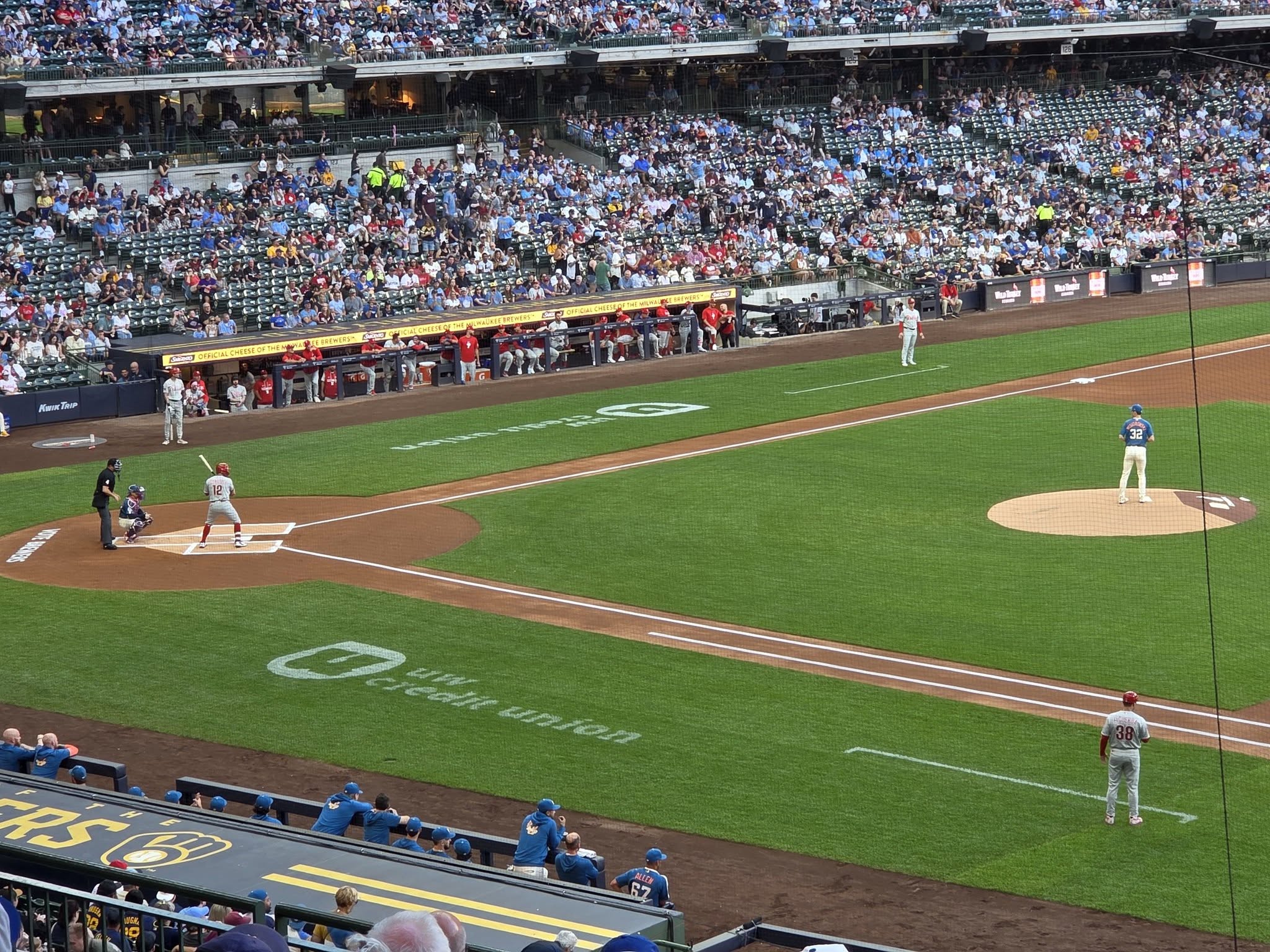
My first game, long before today’s players were born.
My father took me to my first big-league game in 1963, the summer before I entered first grade. We lived in St. Francis, a suburb of Milwaukee, for two years. As I recall, we went to a couple games before we moved across the state to the little Crawford County town of Mt. Sterling in the early summer of 1964. (Today, Sue and I live only a few miles from Mt. Sterling; I drive through it every weekday on my way to work at the radio station in Viroqua.) We were back in the ‘burbs (Cudahy this time) in 1968, when Dad took me to the White Sox’ first couple games at County Stadium.
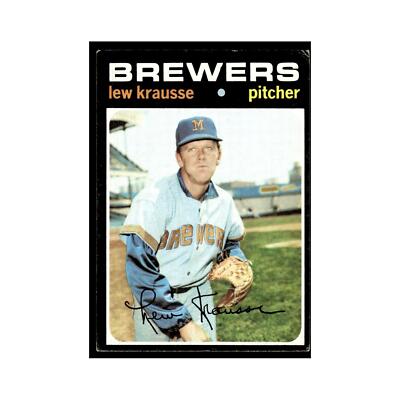
Two years later, Milwaukee finally had a team. Selig and his group had bought the Seattle Pilots out of bankruptcy just a couple weeks before the start of the season and renamed the team the Brewers, after Milwaukee’s old minor-league team. The starting pitcher for that special Opening Day in ’70 was Lew Krausse, who had just been acquired from the Oakland A’s. His Brewers debut didn’t go well; the Angels roughed him up for four runs on three hits in only three innings, on the way to a 12-0 victory.
Baseball was back, but it wasn’t very good baseball.
The Pilots had been an expansion team in 1969, and like all expansion teams, they lost a lot of games. As the Brewers in ’70, they didn’t do much better, finishing 65-97, with another game ending in a tie. The next few years wouldn’t see a lot of improvement. They went through three managers before recording their first-ever winning season (93-69) in 1978 under new skipper George Bamberger. After drawing nearly a million fans in their first season, the Brewers’ attendance quickly cratered; in ’72, they drew fewer fans than the Pilots did in their only season in Seattle. But the ’78 team was in the division race till the final week, finishing six games behind the Yankees and Red Sox in the East. The Yankees beat Boston in a one-game playoff for the division, then knocked off Kansas City in the American League Championship Series and the Los Angeles Dodgers in the World Series. Watching those games while I was in college in Platteville, I wondered if the Brewers would ever get there.
In 1982, they finally did.
—First inning:
Against Rays ace Drew Rasmussen, the Brewers go down in order. The Miz gives up a two-out single to Junior Caminero, but gets the next batter on a line-drive out. No score.
First time to the brink of glory.
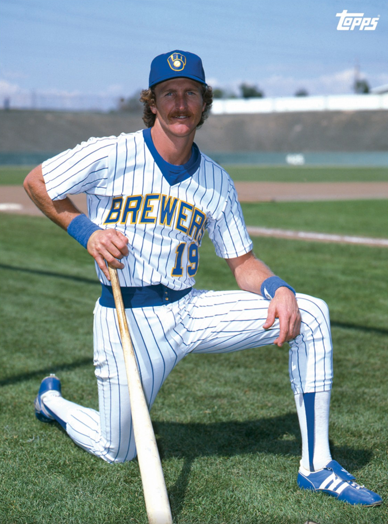
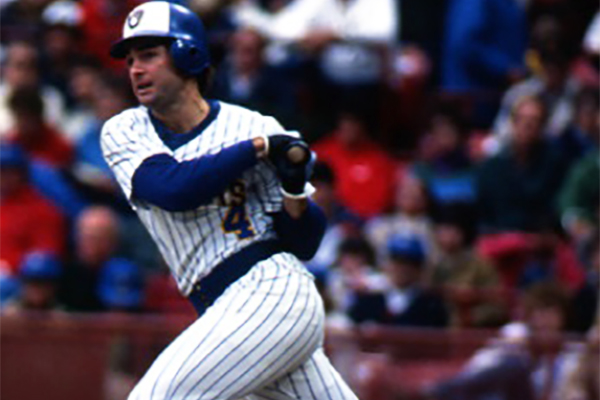
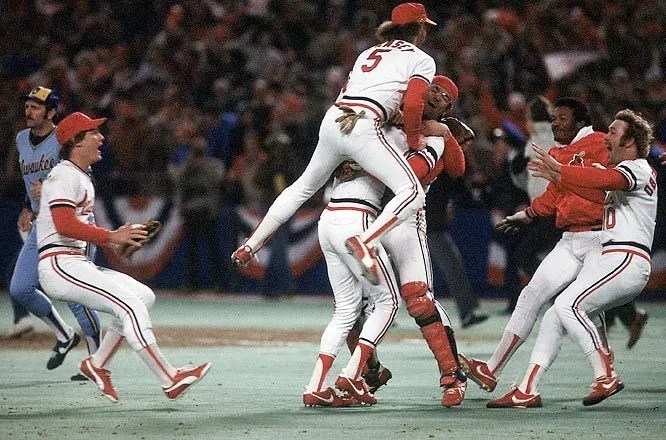
After making the playoffs for the first time in 1981 (and losing to the Yankees in the Division Series), the Brewers won the East in ’82. They lost the first two games of the best-of-five AL Championship Series to the Angels, then came back to win three straight at home and capture their first pennant. In the World Series against the St. Louis Cardinals, they got off to a great start with a 10-0 win in Game 1 on the road; Paul Molitor set a Series record with five hits. The Cardinals scratched out a 5-4 victory in Game 2 to even the Series, which then shifted to Milwaukee for the critical middle games. I was in the stands on the chilly night of October 15 when the Cardinals took the Series lead with a 6-2 win. Milwaukee won the next two games, 7-5 and 6-4, putting them one win away from the title as the Series shifted back to St. Louis for Game 6. All they needed was one win in the final two games, but it was not to be. The Cardinals evened it up with a 13-1 blowout and then won a 6-3 nail-biter in the finale.
–Second inning:
Last night, the Brewers’ rookie shortstop, Cooper Pratt, had put the team three outs from the title with a 12th-inning home run. Tonight, he drives in the game’s first run with a single, scoring Brice Turang, who’d reached with a one-out double. In the bottom half, Misiorowski retires the Rays in order. 1-0, Brewers. Outs to the championship: 21.
44 years go by.
The ’82 loss was a crushing blow to the franchise and its fans. So devastating, in fact, that it would be 26 years before they made the playoffs again, and they had to switch leagues along the way. After moving over to the National League in 1998, the team struggled another decade before acquiring ace pitcher CC Sabathia from Cleveland at the trade deadline and making the expanded playoffs as a wild-card team. They lost the best-of-five divisional series, 3-1, to the eventual champion Philadelphia Phillies. Sabathia signed with the Yankees and finished out his Hall of Fame career in New York, helping them win the World Series in ’09.
In 2011, a tense 3-2 win in the divisional round over Arizona sent the Brewers to their first League Championship Series since 1982…and once again, the opponents were their old rivals, the Cardinals. This time, it would be different. The Cardinals still won, but it took them only six games, on their way to a World Series win over the Texas Rangers.
–Third inning:
The Brewers go down in order against Rasmussen. In the Tampa Bay half, Misiorowski yields his first walk with two outs, then retires Jonathan Aranda on a fly to the outfield. Still 1-0, Brewers. Outs to the championship: 18.
The future captain arrives in town.
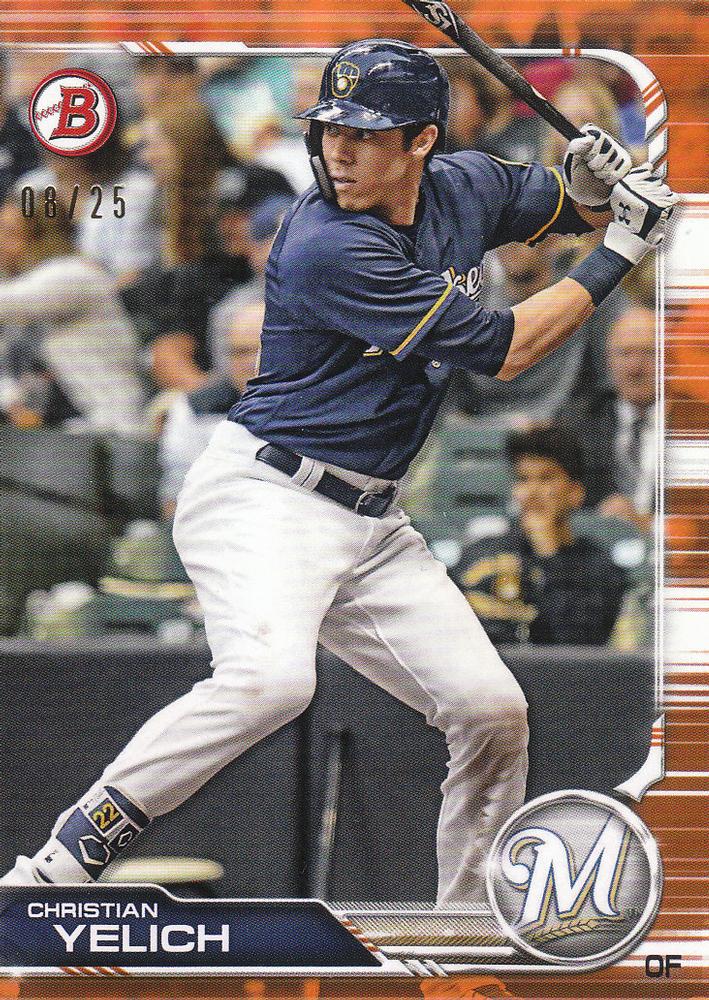
Prior to the 2018 season, the Brewers acquired young outfielder Christian Yelich from the Miami Marlins. Yelich, a rising star, had an MVP season and led the Brewers to the Central Division title, which they won in a one-game playoff with their biggest rivals, the Chicago Cubs. Jim and I attended Game 2 of the Division Series against the Colorado Rockies, a great experience (even if we sat up in the left field corner, as close to nosebleed seats as American Family Field has). The Brewers swept that series, but then lost the NLCS to the Dodgers in seven games. That would start a run of playoff futility that would last for seven years. From 2019-24, the Brewers qualified for the playoffs five times, but did not win a series, compiling a record of 2-10. Three of the teams they’d lose to (Nationals in ’19, Dodgers in ’20, Braves in ’21) went on to win the title. Yelich battled injuries, including a fractured knee that knocked him out of the 2019 season in September, perhaps costing him a second consecutive MVP award. Without him, the Brewers bowed out quickly in the playoffs, losing the Wild Card game to Washington, blowing a late lead in the process.
–Fourth inning:
Rasmussen shuts down the Brewers in order in the top half; in the bottom half, Miz survives a shaky inning, featuring a hit batter, a single and an error by right fielder Sal Frelick. But the young fireballer keeps the Rays off the scoreboard. Still 1-0, Brewers. Outs to the championship: 15.
–Fifth inning:
Rays manager Kevin Cash lifts Rasmussen for Kevin Kelly. With one out, Pratt singles, then goes to third on a Garrett Mitchell single. David Hamilton, the speedy third baseman who’s had some huge hits in the playoffs, delivers another with a single to right, scoring Pratt. Kelly strikes out Jackson Chourio and then is lifted for Garret Cleavinger, who fans Jake Bauers to end the inning. In the bottom half, Miz is perfect, retiring the Rays in order. 2-0, Brewers. Outs to the championship: 12.
Will this finally be The Year They Win It?
The Brewers entered the 2026 season feeling confident. Third-year manager Pat Murphy already had two Manager of the Year awards under his belt. The team would be going for its fourth consecutive division title. Despite having traded its top pitcher, Freddy Peralta, to the Mets–Peralta’s contract would be up after the season, and the Brewers knew they couldn’t match the big-money offers he’d get from wealthier teams–the pitching staff had some intriguing young arms, led by Misiorowski, who’d had a good rookie season in ’25 and shined in the playoffs. Yes, the season had ended with a four-game sweep at the hands of the haughty Dodgers in the NLCS, but the Brewers had exorcised some ghosts by beating the Cubs in the Division Series, 3-2, for their first post-season series win in seven years.
And the team delivered on its promise, setting a franchise record with 103 wins. They left the Cubs in their dust to win the division again, and for the second straight year entered the playoffs with the top seed in the National League. But nobody outside the state was picking the Brewers to go all the way. The Fox TV baseball pre-game panel, featuring retired Major Leaguers Alex Rodriguez, David Ortiz and Derek Jeter, all went with either the Yankees or the Dodgers.
Within a month, they’d all become believers in the team from the smallest TV market in the Majors.
–Sixth inning:
All throughout the playoffs, the Brewers had relied on their ability to scratch runs from the other team without relying on the long ball. They do it again tonight in the sixth. Christian Yelich starts it out by being hit by a pitch from Cleavinger, then comes all the way home to score on a booming double by catcher William Contreras, who promptly takes third on a single by Turang. Cleavinger heads to the showers and Tyler Wells takes the mound for Tampa Bay. Turang steals second before Wells fans Frelick for the first out. Pratt, he of the 12th-inning homer the night before that could’ve been the Series-winner, sends a fly ball down the right field line, drifting foul, but Rays outfielder Ryan Vilade has a bead on it as he carefully negotiates the mounds in the bullpen. If he lets the ball drop, it’s just a strike on Pratt and Contreras stays at third. But Vilade makes the catch, Contreras tags and barrels to the plate, sliding in safely. Garrett Mitchell works Wells for a walk, bringing Rays manager Cash out of the dugout again. He summons Steven Matz from the bullpen, who ends the inning by inducing Hamilton to fly out. But now the Brewers have breathing room, leading 4-0. In the Rays’ half, Misiorowski retires the first two hitters but then his left leg cramps up. Not taking any chances, Murphy brings JoJo Romero out of the bullpen, who quickly induces an inning-ending grounder from Liam Hicks. 4-0, Brewers. Outs to the championship: 9.
–Seventh inning:
A four-run lead is not a lock when you’re facing one of the best teams in the big leagues, so a few more would be preferable. But Matz is having none of that. He gives up a leadoff single to Chourio, the young star’s 11th base hit of the Series. The night before, his 10th hit had tied a record for most hits in the first four games of a World Series; the only other player to do it was a guy named Babe Ruth, for the Yankees against St. Louis in 1928. But Chourio is quickly erased when Bauers grounds into a double play. Yelich then lines out, and we go to the bottom of the 7th. Now the Rays are thinking they might have a shot, since the Miz is on the bench. But the Brewers’ bullpen has been lights-out in the playoffs, and it comes through again. Romero strikes out leadoff hitter Jonny DeLuca, but then the speedy Chandler Simpson gets on thanks to a Contreras throwing error, making it to second base. Abner Uribe comes out of the Brewer bullpen and induces pinch-hitter Richie Palacios to ground out, but Simpson takes third. Victor Mesa Jr. comes off the Tampa Bay bench to pinch-hit for Vilade, but can only hit another infield grounder that is quickly turned into the final out of the inning, with Simpson only able to look at home plate. Still 4-0, Brewers. Outs to the championship: 6.
Steamrolling into October.
The Brewers began a West Coast trip in San Diego on August 10 and wound up losing all three games to the Padres. Back home, fans were getting nervous. Would this be the start of a collapse? The Dodgers awaited them next, ready to deliver a knockout blow, but the Brewers won three of four. That would start a streak of epic proportions. From August 15 through the end of the regular season on September 27, the Brewers went 28-11. They closed it out with a 5-game winning streak, equaling their longest of the season. In a matter of a few weeks they went from shaky front-runners to 103 wins and a comfortable margin in their division, plus the top seed in the upcoming playoffs. Now they would have a week to rest while the first-round Wild Card series were played.
San Diego swept the Cubs in their best-of-three playoff opener and rolled into Milwaukee as one of the hottest teams in baseball. The Padres’ wipeout of the Cubs gave them 19 wins in 22 games. For several years, they’d been recognized as one of the league’s most talented teams, but they’d never gotten over the hump. In fact, the Brewers and Padres entered October as two of only five teams in MLB history never to win a World Series. (The other three: the Seattle Mariners, Colorado Rockies…and Tampa Bay Rays.)
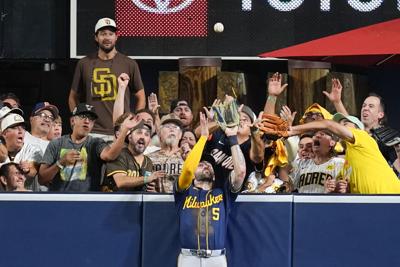
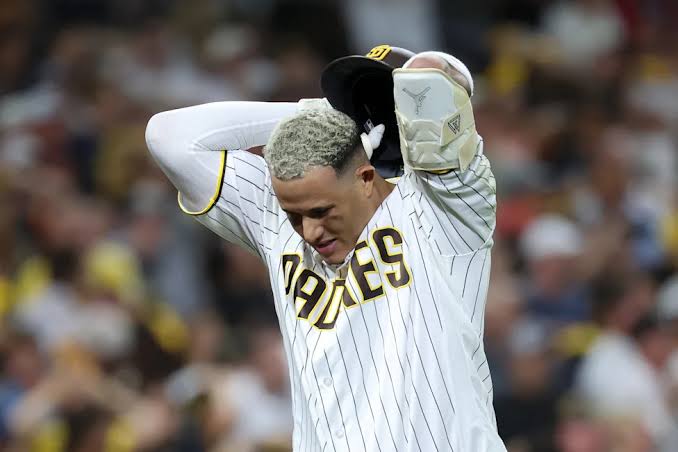
The Brewers took a commanding lead in the best-of-five set by winning Game 1 on a William Contreras homer in the 7th, 3-2. The next night, Jackson Chourio electrified the standing-room-only crowd with a game-winning single in the bottom of the 9th. Two nights later, now back home with their own fans packing Petco Park, the Padres stayed alive with a 4-3 win. But in Game 4, the Brewers prevailed, 3-1. San Diego had a chance to tie it up in the 8th, with a man on and clutch hitter Manny Machado at the plate. The crowd roared as Machado sent a drive to deep right-center…only to suddenly grow quiet in disbelief as Brewers outfielder Garrett Mitchell leaped and outfought two Padres fans for the ball. With the ball having cleared the top of the wall, had it touched a fan’s hand or glove first, it would’ve been a home run, tying the game, but Mitchell got there first.
One inning later, the Brewers had the series in hand. Earlier in the evening, the Dodgers had finished off Atlanta, setting up a rematch for the National League title. A year ago, LA had taken the first two games of the NLCS in Milwaukee and finished the sweep at Dodger Stadium. Would it be different this year?
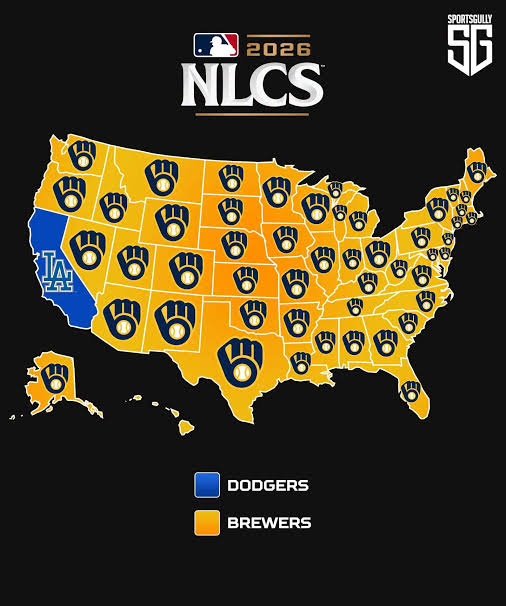
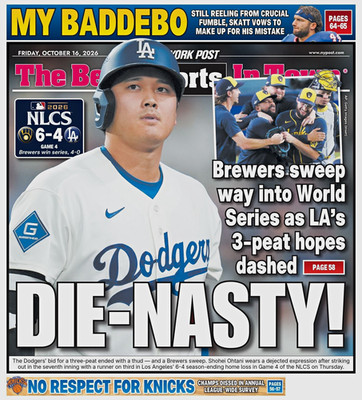
Yes. The Brewers dominated the Dodgers, winning the first two games at home, beating LA’s two best pitchers, Tarik Skubal and Yoshinobu Yamamoto. At Dodger Stadium, the Brewers got homers from Chourio, Jake Bauers and Mitchell on the way to a 6-2 win in Game 3. The next night, the Brewers overcame an early 4-0 deficit to win, 6-4, capturing the National League pennant for the first time. The stunned Dodgers watched the Brewers celebrate on their field.
Meanwhile, the Tampa Bay Rays had earned the American League’s top seed by winning 98 games. In the Division Series, they swept the mighty Yankees and then beat Cleveland, 4 games to 2, to win their third AL pennant. In their previous World Series, they’d lost to Philadelphia in 2008 and to the Dodgers in 2020. Now they would have to come to Milwaukee as the underdog, where the red-hot Brewers awaited them with Misiorowski ready to pitch the opener.
The first two go to the boys in blue and gold.
The Brewers jumped on Tampa Bay’s Game 1 starter, Nick Martinez, right away, scoring twice in the bottom of the 1st on Yelich’s RBI triple, driving in Chourio, and a single by Contreras. The Miz had given up two hits to the Rays in the top of the frame but kept them off the scoreboard thanks to an inning-ending double play. He retired the side in order in the 2nd and again in the 3rd before an infield grounder scored Tampa Bay’s first run in the 4th. The Rays threatened in the 5th when Jose Mesa Jr. led off with a single and reached 2nd base on an infield grounder, but he was gunned down by Contreras when trying to steal third one out later. In the Tampa Bay 6th, Abner Uribe came on to relieve Misiorowski. He gave up a one-out single to Jonathan Aranda but once again, Contreras’ arm showed no mercy on Rays base-runners, cutting down Aranda trying to steal on a third-strike pitch to Chandler Simpson.
Chourio drove in Cooper Pratt with Milwaukee’s third run in the 7th. Ace reliever Trevor Megill came out of the Brewer bullpen to lock down the win. The Rays made it close, loading the bases on a pair of singles, a double steal and a walk, scoring a run on an infield grounder. With the tying run at third and the lead run at second, Megill fanned Jonny DeLuca to end it at 3-2.
The next night in Game 2, the Rays jumped on starter Logan Henderson for four runs in the first, but the Brewers answered with a pair in their half. There was a definite feeling that Tampa Bay had given the Brewers their best shot and their lead was already in jeopardy. Milwaukee pulled within a run in the 4th by capitalizing on a Rays error, and then Sal Frelick tied it with a home run to lead off the 6th. Pratt delivered the eventual game-winner with a single in the 7th that scored Brice Turang. In the 8th, manager Pat Murphy turned to Aaron Ashby, who was in the midst of a historic run of scoreless playoff innings pitched. He blanked the Rays in that inning and again in the 9th, giving the Brewers a commanding 2-0 lead as the Series headed to Florida.
–8th inning:
Bryan Baker comes in as the Rays’ sixth pitcher, and he puts the Brewers down in order. Milwaukee manager Pat Murphy has Aaron Ashby ready in Milwaukee’s bullpen. Ashby has had a magnificent October: he’s pitched in nine games, winning one and saving three, not yielding a run in 18 innings pitched. That scoreless streak breaks the MLB playoff record of 16 scoreless innings, set by Cleveland’s Andrew Miller ten years before. But Murphy brings in Trevor Megill, looking for a two-inning save from his top reliever, who had saved 81 games in the last three seasons. He’d thrown only a third of an inning in Game 4, so he’s still pretty fresh. And this is the World Series; you’re always ready to go when your name is called by the skipper. Megill retires the side in order. Still 4-0, Brewers. Outs to the championship: 3.
St. Pete becomes Milwaukee’s southernmost suburb.
Despite their team’s strong play in recent years, the Rays have never drawn well at Tropicana Field, their domed stadium in St. Petersburg. A hurricane had torn off the roof after the 2024 season, forcing the team to play its 2025 home games at Steinbrenner Field, the Yankees’ spring training ballpark in Tampa. Back in “The Trop” for ’26, the Rays drew just over 1.4 million fans, 28th out of 30 teams in MLB. By comparison, the Brewers drew nearly twice as many, finishing 11th in the attendance derby, which was won, as usual, by the Dodgers, who drew over 4 million. But the Rays were pleased to sell out Game 3…thanks to thousands of Brewers fans, most of whom had flown down from Milwaukee. With home tickets skyrocketing in cost, many fans found they could pay for airfare, hotel and tickets in Florida and still spend less than going to a World Series game in their own team’s stadium.
The Brewers rewarded their road-warrior fans with a 10-1 blowout win. The first two runs came in the 3rd, on RBI singles by Yelich and Contreras. On the mound, Robert Gasser was cruising; he would pitch six innings and give up only one hit, with the runner then being rubbed out in a double play. Gasser would be the first left-hander to throw at least six innings and face the minimum since the Dodgers’ Sandy Koufax against the Twins in 1965. The big inning was the 5th, when the Brewers scored eight runs, all coming with two outs. In fact, there were three outs…briefly. With runners at first and second, Contreras hit an infield grounder that forced Yelich at second base. But Murphy challenged the call, and the replay clearly showed Yelich, perhaps the smartest base-runner on the team, had beaten the throw. The reversal left the bases loaded and knocked the Rays pitcher, their former teammate Freddy Peralta, out of the game. After struggling with the Mets, Peralta had been dealt to the Rays at the trade deadline and resurrected his season. Cam Booser, Tampa Bay’s top left-handed reliever, came in and promptly gave up a 2-run single to Turang, a Mitchell single that brought in a run, a 2-run double by Pratt, who then scored on a Frelick double, a Hamilton single that brought Frelick home, and finally a Chourio double that saw the speedy Hamilton scoring the eighth and final run of the inning from 1st base. Bauers then flied out, but the seven consecutive base hits had set a new MLB post-season record. More importantly, they’d put the game away. The Rays got a meaningless run in the bottom of the 9th off Brandon Woodruff, the Brewers’ longtime ace starter who had battled shoulder problems all year and almost didn’t make it onto the World Series roster.
The Rays were desperate entering Game 4. The odds were heavily stacked against them; no team had ever lost the first three games of a World Series and come back to win four in a row. In fact, there’d been only one best-of-seven playoff series in MLB history in which that had happened: the 2004 American League Championship Series, when the Red Sox dropped the first three games to the Yankees and came back to win four straight, on their way to a World Series triumph over the Cardinals that ended an 86-year title drought.
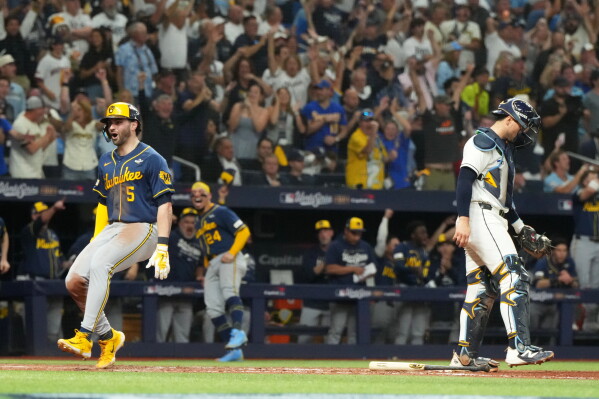
But if they could just win this one game, maybe they could win another the next night and send the Series back to Milwaukee, where all the pressure would be on the Brewers to avoid the greatest collapse in baseball history. So, unsurprisingly, Game 4 was the most tense and hard-fought of the Series. The Rays took a 1-0 lead in the 2nd on a Simpson double. A Pratt double tied it in the top of the 4th, only to have Tampa Bay regain the lead in the bottom half. Hamilton led off the Milwaukee 5th with a home run that tied the score at 2-2. From there, the bullpens took over and the game went to extra innings. In the top of the 12th, Pratt drove a pitch from Ian Seymour over the left-field wall, giving Milwaukee a 3-2 lead. It was the rookie’s fourth hit of the game, and he was set to be the hero as the Brewers took the lead into the bottom of the inning. Antonio Senzatella was on the mound for Milwaukee after closing out the 11th. He induced Caminero to hit a grounder to Joey Ortiz at third, but the normally slick-fielding Ortiz bounced his throw to Bauers at first, and Bauers couldn’t make the pick. The error put the tying run on base.
Rookie Shane Drohan was brought in to pitch. He’d made only one appearance on the mound in the past month, pitching one inning against the Dodgers. His inning against the Rays would not go well. Liam Hicks singled to center, sending Caminero hustling around second to third, despite having suffered a slight leg injury while running to first as he tried to beat Ortiz’ throw. Cedric Mullens came in to run for him. DeLuca promptly singled to center, scoring Mullens and tying the game. Now the winning run, in the person of pinch-runner Nick Fortes, was at second base. A soft single to center by Simpson loaded the bases. With the Brewer infield in to get the runner at the plate in the event of a ground ball, Ben Williamson lofted a single to right center that easily scored Fortes, and Tampa Bay had avoided the sweep, 4-3.
Brewer fans were stunned at how the game ended, and more than a few of us were worried. Would this miracle finish turn the tables in the Series? If the Rays could come out the next night and win Game 5, anything could happen back in Milwaukee in the final two games. As Yankees great Yogi Berra once said, “It ain’t over till it’s over.”
But the Brewers would come out for Game 5 with three advantages over the Rays. The first was their 3-1 lead. They only had to win one more. The second was their fan base, which grew even larger, and louder, at the Trop.
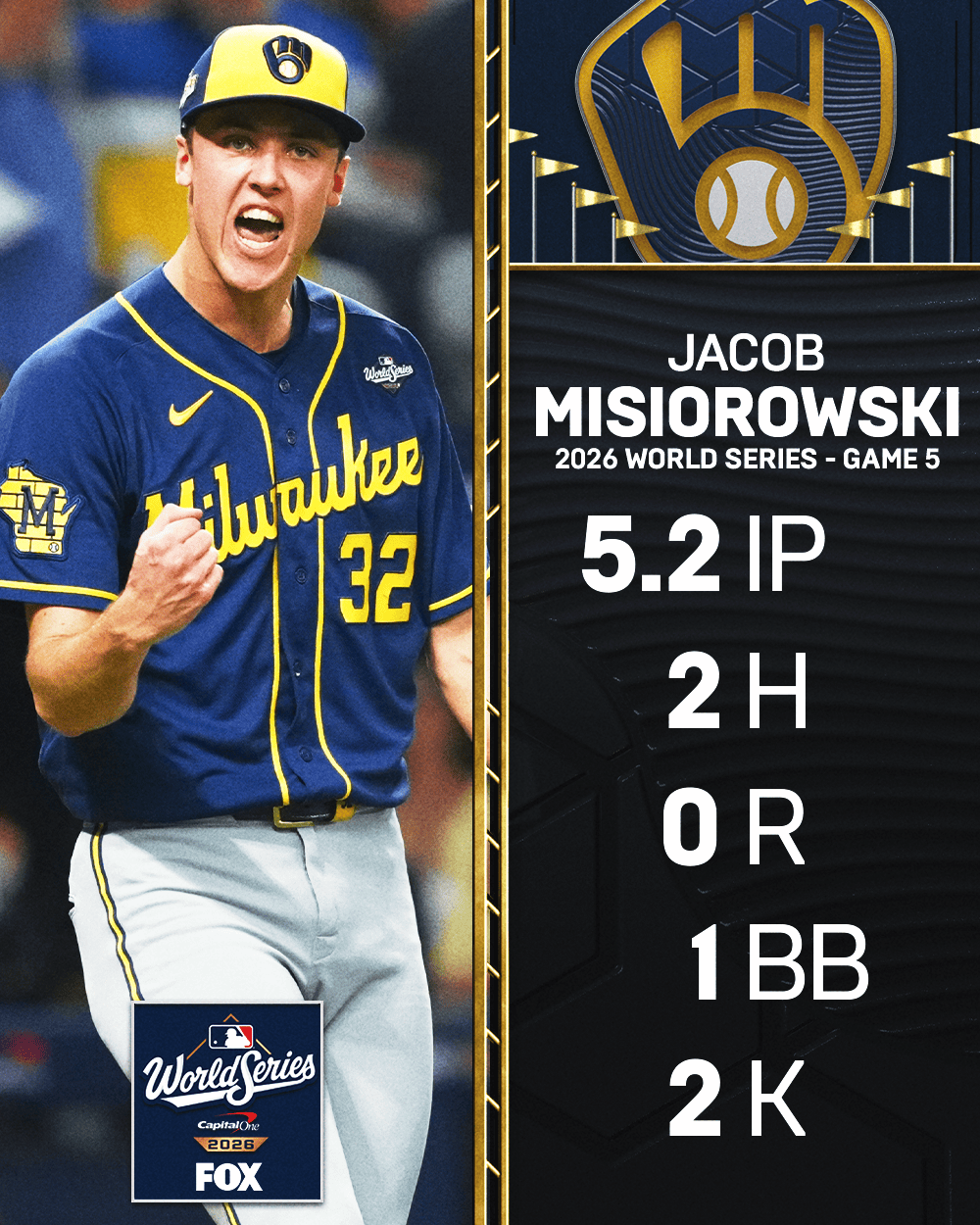
The third, and biggest, was the Miz. The presumptive NL Cy Young Award winner had already pitched and won Game 1. Now he would take the mound to close out the Rays and give the Brewers their first-ever world championship.
–9th inning:
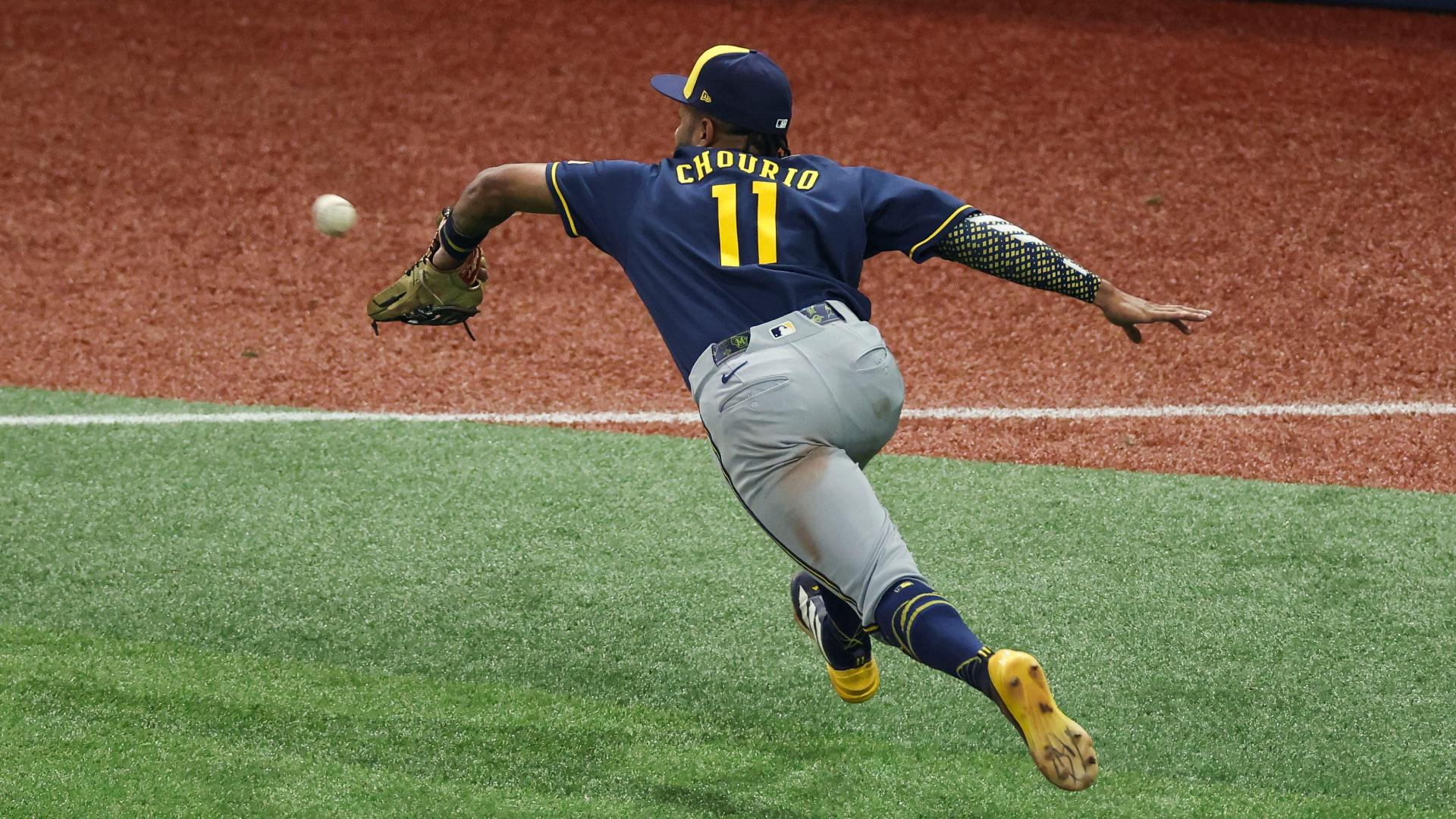
Ian Seymour toes the mound for the Rays to open the 9th, as Tampa Bay’s seventh pitcher of the game. He and his teammates know they can’t afford to fall further behind, and Seymour comes through. He retires the hot-hitting Pratt on a liner to center, then strikes out Mitchell and Hamilton. The Rays come to bat in their half, needing three runs to keep the game, and their faint Series hopes, alive.
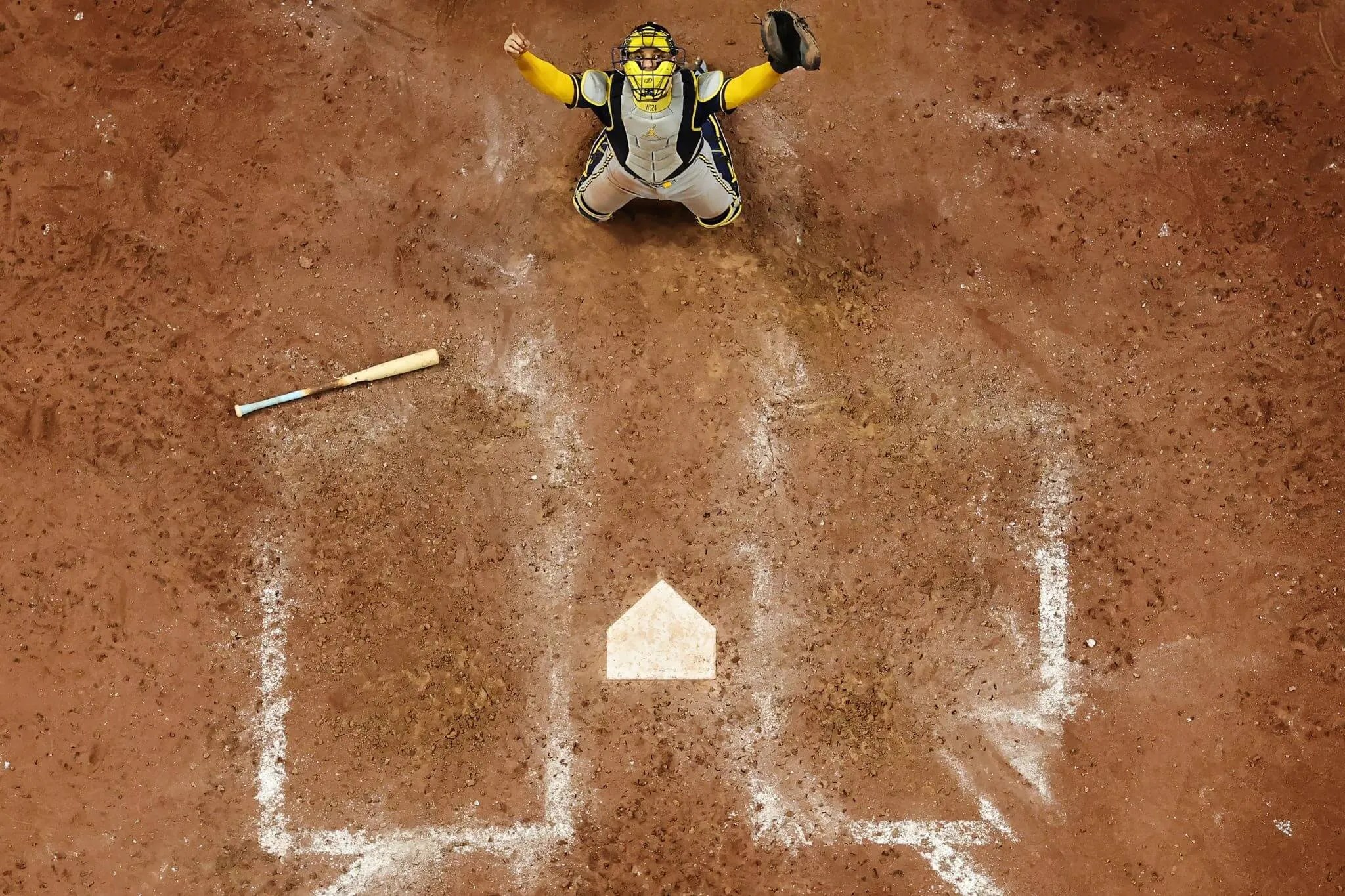
Megill returns to the mound for the Brewers. His chest heaving with the deep breaths he needs to calm his nerves, he blows a third strike past leadoff hitter Caminero, who had led the Rays in the regular season with 42 homers and 101 RBIs. In 14 playoff games, though, he’d homered only once and drove in just five. Hicks steps in and laces a double to right, giving the outnumbered Rays fans a little life. That brings DeLuca to the plate, with Simpson on deck. DeLuca strikes out swinging, and Simpson becomes Tampa Bay’s last hope. Simpson had been outstanding in the postseason, hitting .311 and making several great plays in left. Now, he comes through again, ramming a double to right, scoring Hicks with the Rays’ first run. If the next hitter, Palacios, could reach, that would bring the tying run to the plate. Brewers fans at the ballpark in Florida hold their breath. So do the 31,000 in the seats at American Family Field, watching on the stadium’s big screen. So do a few thousand more outdoors in the Deer District, next to the Bucks’ arena. So do untold thousands more in sports bars and living rooms across Wisconsin from Kenosha to Superior, Marinette to Platteville, including me and Sue in our cabin near Seneca.
Megill, however, is ready, mentally and physically. “God puts you in places for a reason,” he tells reporters later. “Everything in my life seems to have led up to this moment.” Palacios works the count to 2-1, and then Megill uncorks a 99.1mph fastball on the inside corner.
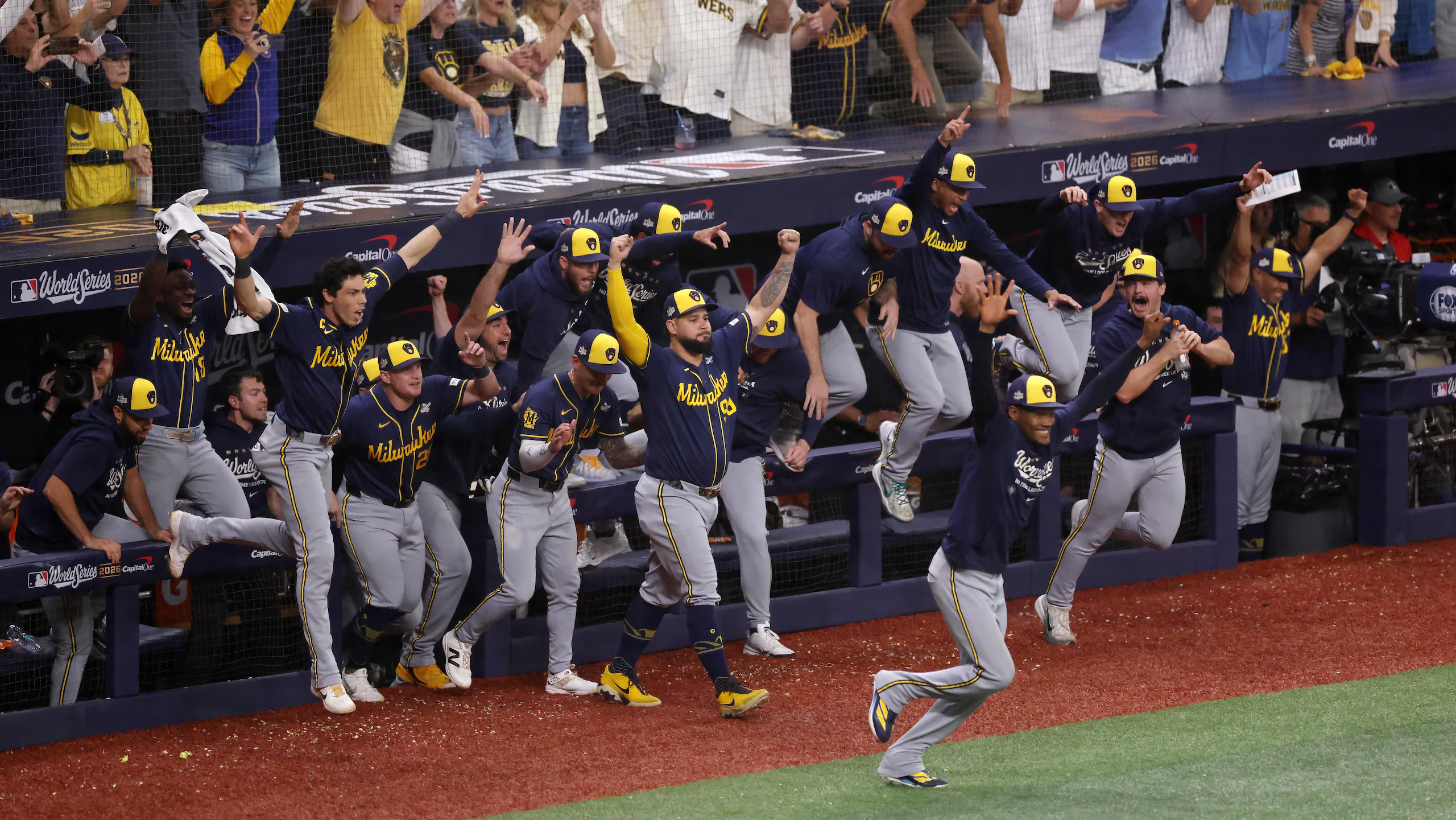
Palacios raps a ground ball to the right side of the infield, Simpson taking off for third. If the ball goes through to the outfield, he’ll score easily, and the Rays will be one swing of the bat from tying the game. But the ball goes right to Turang, a Gold Glove finalist, one of the best second basemen in the Majors, who scoops it cleanly and throws a strike to Bauers at first.
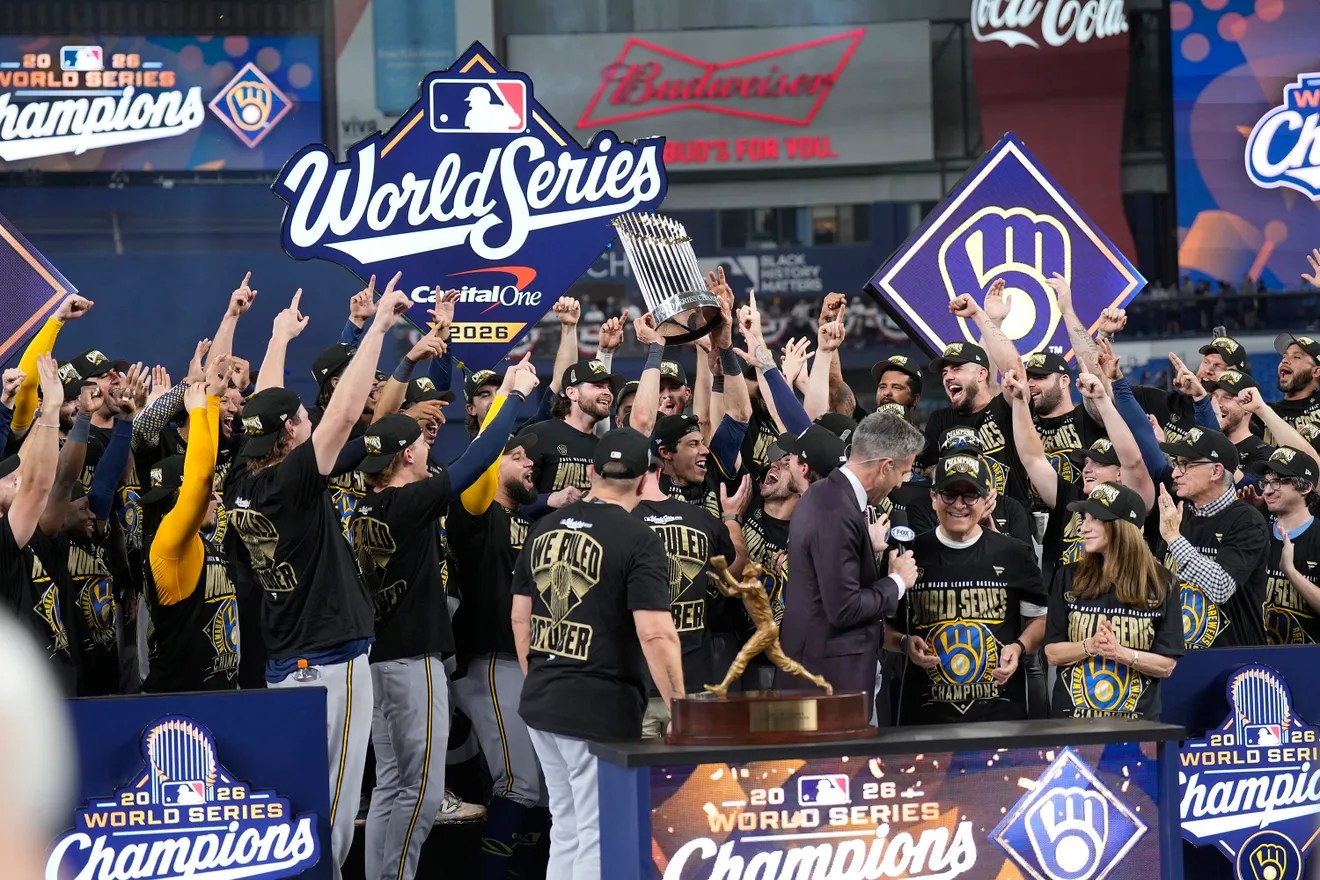
Final score: Brewers 4, Rays 1. The best team in baseball is bringing the trophy back to Milwaukee.
Two days later.
It’s Friday afternoon as I write this, on the porch of our cabin. I was in tears Wednesday night as the final out was recorded. Sue had a big smile on her face. She hadn’t really paid much attention to baseball until I came along; now she’s a fan, often spending summer and autumn evenings with me as the lads do battle on the TV screen. She knew how much this meant to me, to all long-time Brewers fans, to the entire state.
Last night, in between the first and second quarters of the Panthers-Packers game at Lambeau Field, the PA announcer directed the fans’ attention to one corner of the stadium. Out came the Brewers, led by Brandon Woodruff carrying the championship trophy aloft. It was a great moment, as the players were greeted with a standing ovation. Several of them did Lambeau Leaps, including Sal Frelick, who had been one of the top high school football players in Massachusetts. Undoubtedly he had fantasized about doing a Leap while starring on the gridiron, and now he got his chance after starring on the diamond.
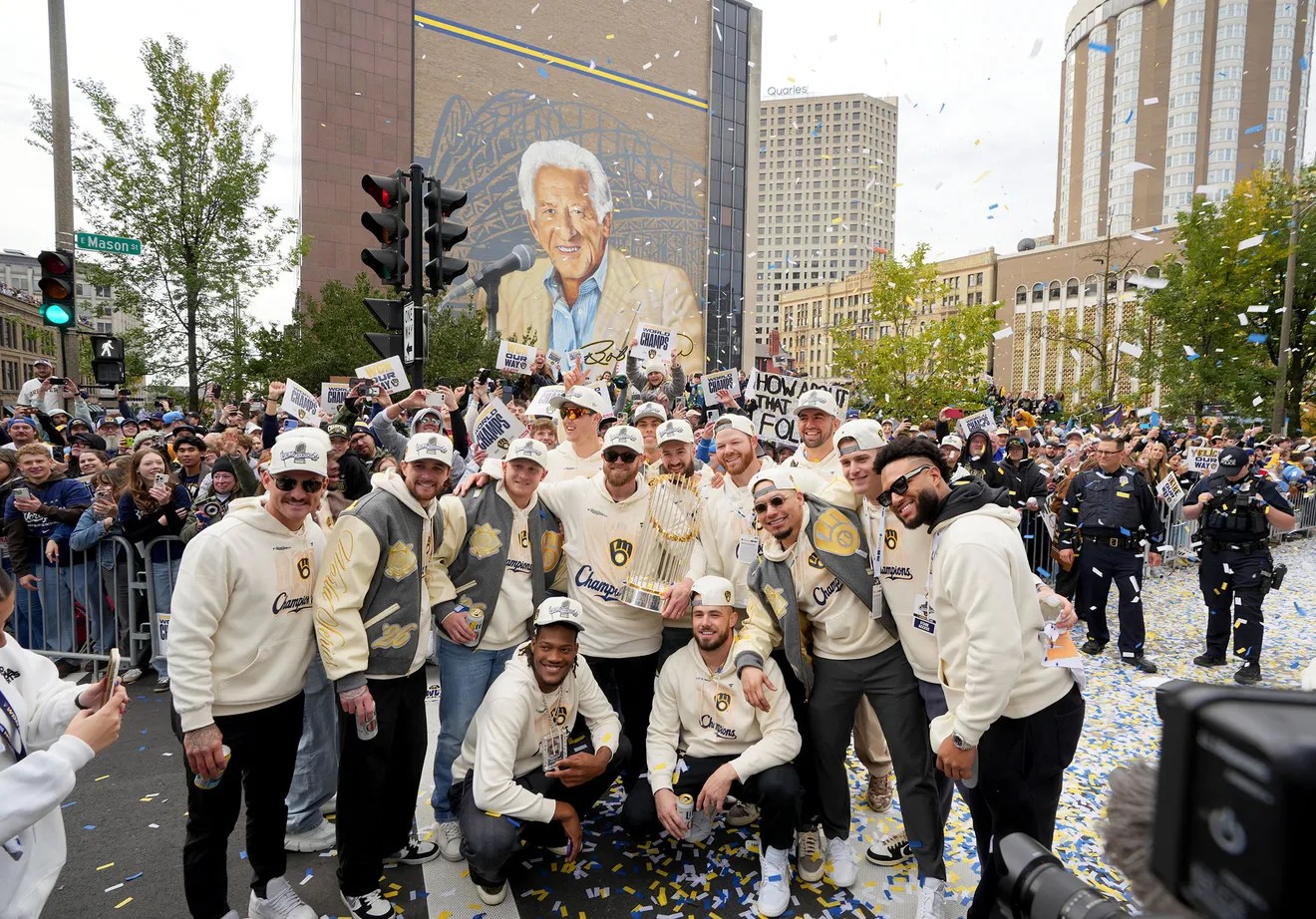
I wondered if the players had gotten any sleep. They’d partied long into the night at the Trop, then poured themselves on a plane sometime in the morning for the flight back to Milwaukee. A bus to the ballpark to stow their gear and get some personal things before boarding another bus for Green Bay. And then this morning, they were riding floats through downtown Milwaukee before three-quarters of a million fans, who’d begun lining up for the parade at dawn.
As a baseball fan, it was truly a pleasure to watch this team play. They did all the little things you learn as kids, but often forget as adults: pay attention to what’s going on, support your teammates, be willing to go the extra mile, work hard. You can learn a lot from playing baseball when you’re a kid (softball for girls teaches the same values). You can learn a lot when you’re an adult, too, even one as old as I am, with my Potosi Pony League days more than a half-century in the past. You spend six months watching a team of men a lot younger than you showing you how to play the game of baseball just about as well as it can be played. Just as they brought so much joy to Milwaukee and the state of Wisconsin, they filled our living room with night after night of great baseball, of men working toward a common goal, with pride and determination and honor. And finally, after 175 games, they were the last team standing.
–10:54pm CT, 41 minutes after the final out:
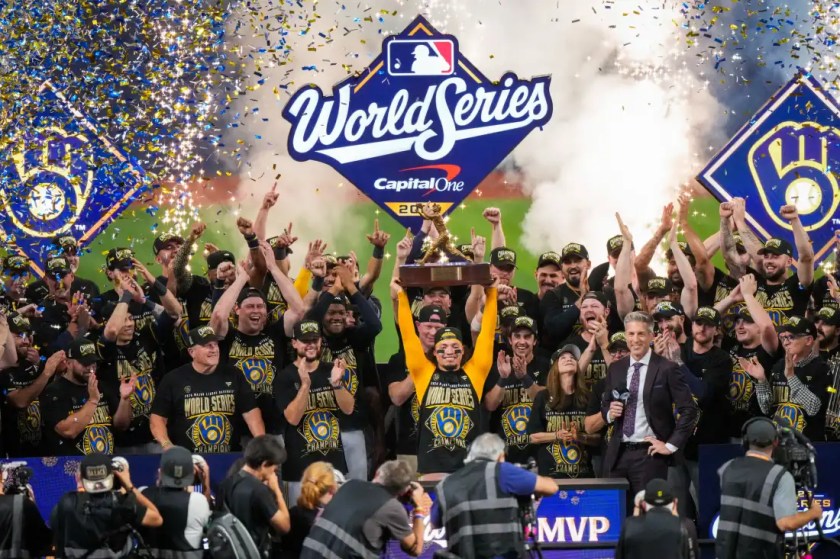
In the outfield, with the championship trophy passed around from owner Mark Attanasio to his joyful players, with Contreras celebrating his World Series MVP with his brother, Willson, who plays for the Red Sox (and won a title with the Braves five years ago), Christian Yelich is hugging Robin Yount. The Hall of Fame shortstop/outfielder, 37 years Yelich’s senior, happily gave his blessing to Yelich being named team captain earlier in the season. Now, the two men, who embodied the Brewers in their two greatest seasons, are letting their emotions flow. “We did it,” Yelich says. “We did it. Finally.” “We got it done,” Yount agrees. “Now we can celebrate.”
Indeed we can.