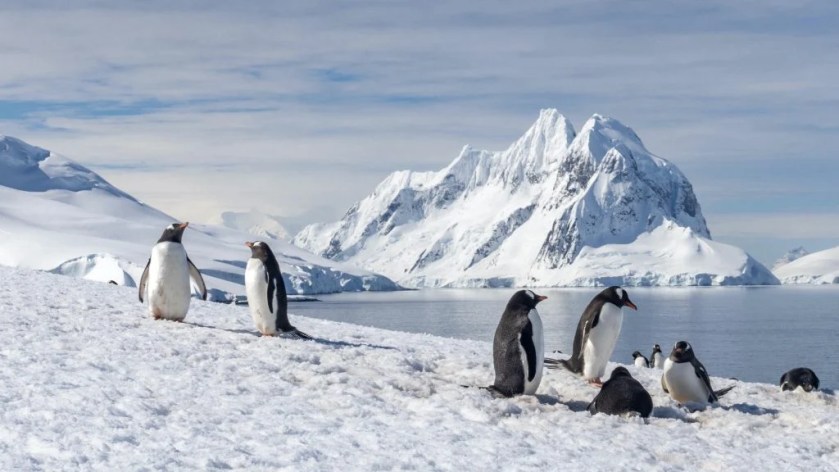
Antarctica has been at the top of many travelers’ bucket lists ever since 1820, when a Russian expedition, led by German-born Admiral Fabian Gottlieb von Bellingshausen, made the first recorded sighting of the continent. A year later, English-born seal hunter John Davis actually set foot on it.
Nearly a century would go by until someone reached the South Pole itself. Roald Amundsen, a Norwegian explorer, was the first, on December 14, 1911. He was in a race with a British expedition, led by Robert Falcon Scott, which took a different route and got to the Pole 33 days after Amundsen. Scott and the four other members of his group all perished on the return trip.
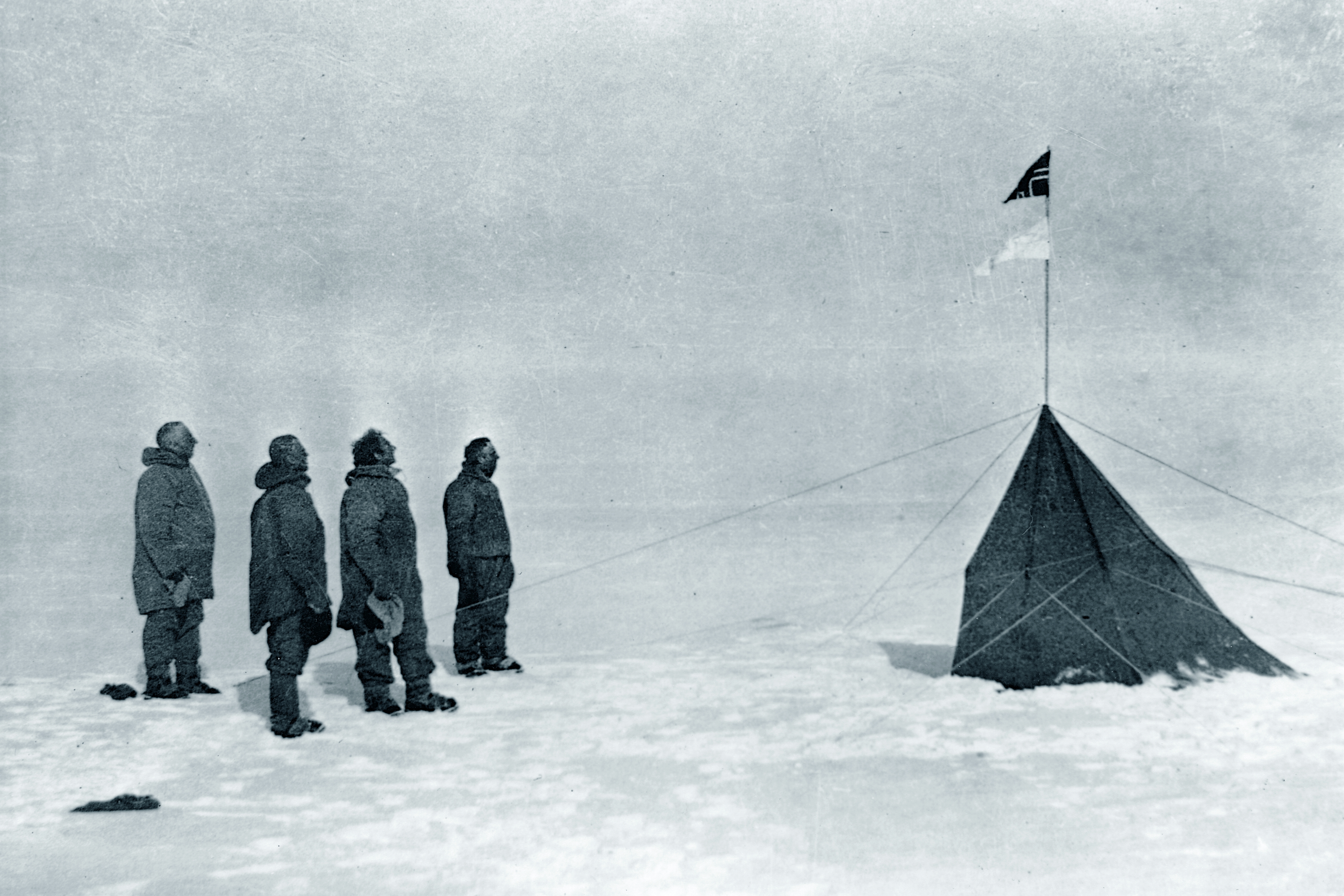
Over a century later, Sue and I decided to go to Antarctica. We wouldn’t be venturing as far south as Amundsen and Scott did, but making it to the coast would be close enough, we figured.
We missed it by about 900 miles.
Getting there is the tough part.
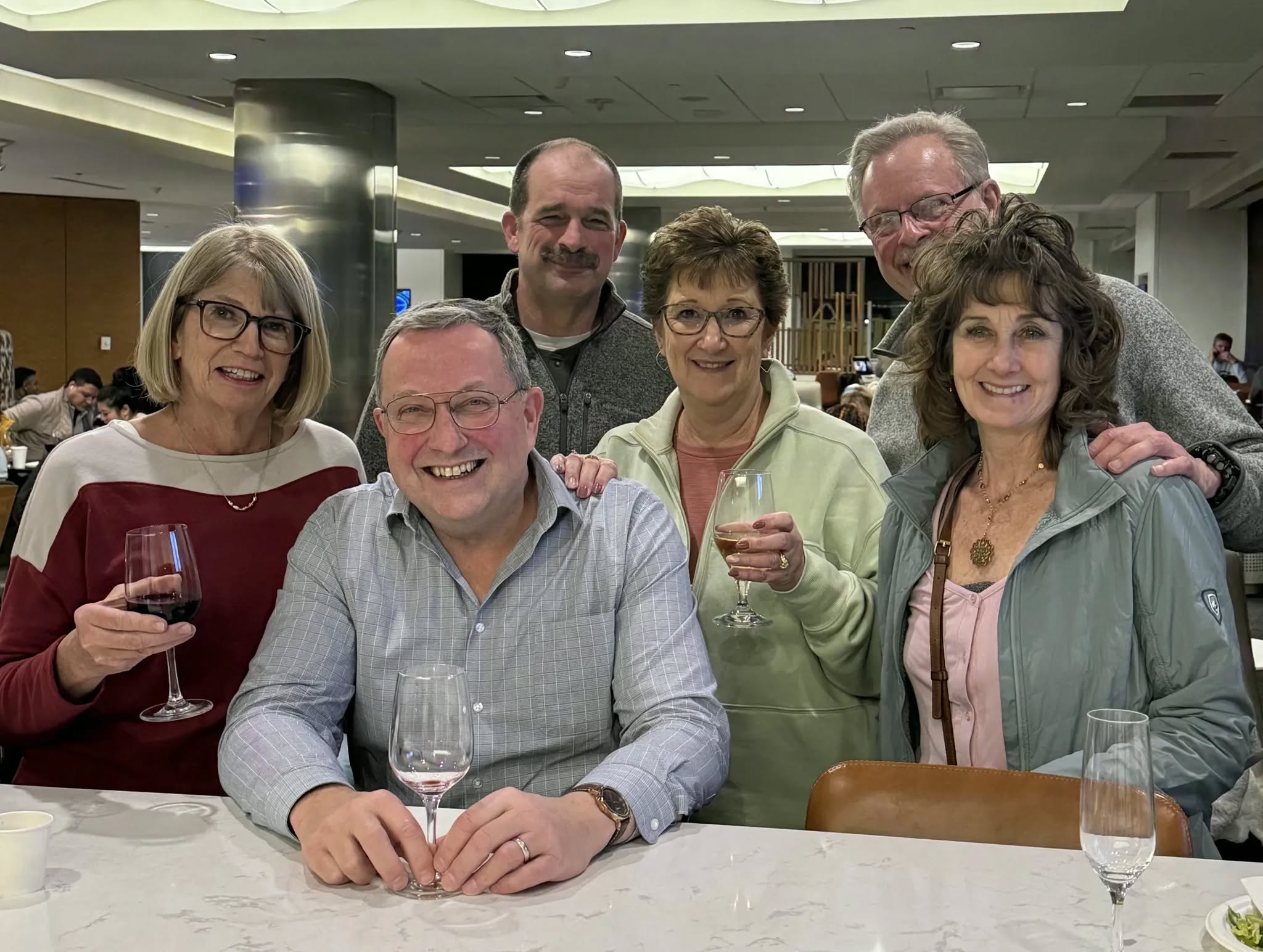
After our East Africa adventure in October 2024, our next target was Antarctica. My wife Sue had sent a few of her travel agency clients to the White Continent, and she’d always wanted to go herself. Some friends of ours through the Rice Lake Rotary Club also expressed interest, so our group eventually totaled six: the two of us, along with Rob and Lynette Buehler and Craig Fowler with his lady friend, Janis Osterbauer. Sue took care of all the details, and we all met at the Minneapolis-St. Paul Airport on January 19 to begin the long trek south. We changed planes in Atlanta and arrived in Santiago, Chile, on the morning of January 20.
We had contracted with HecTour Service and owner Hector Medina personally guided us around the Chilean capital city, which has some 7-8 million inhabitants, about 40% of the population of the entire country. It was our first visit to Chile, and Hector did a great job.
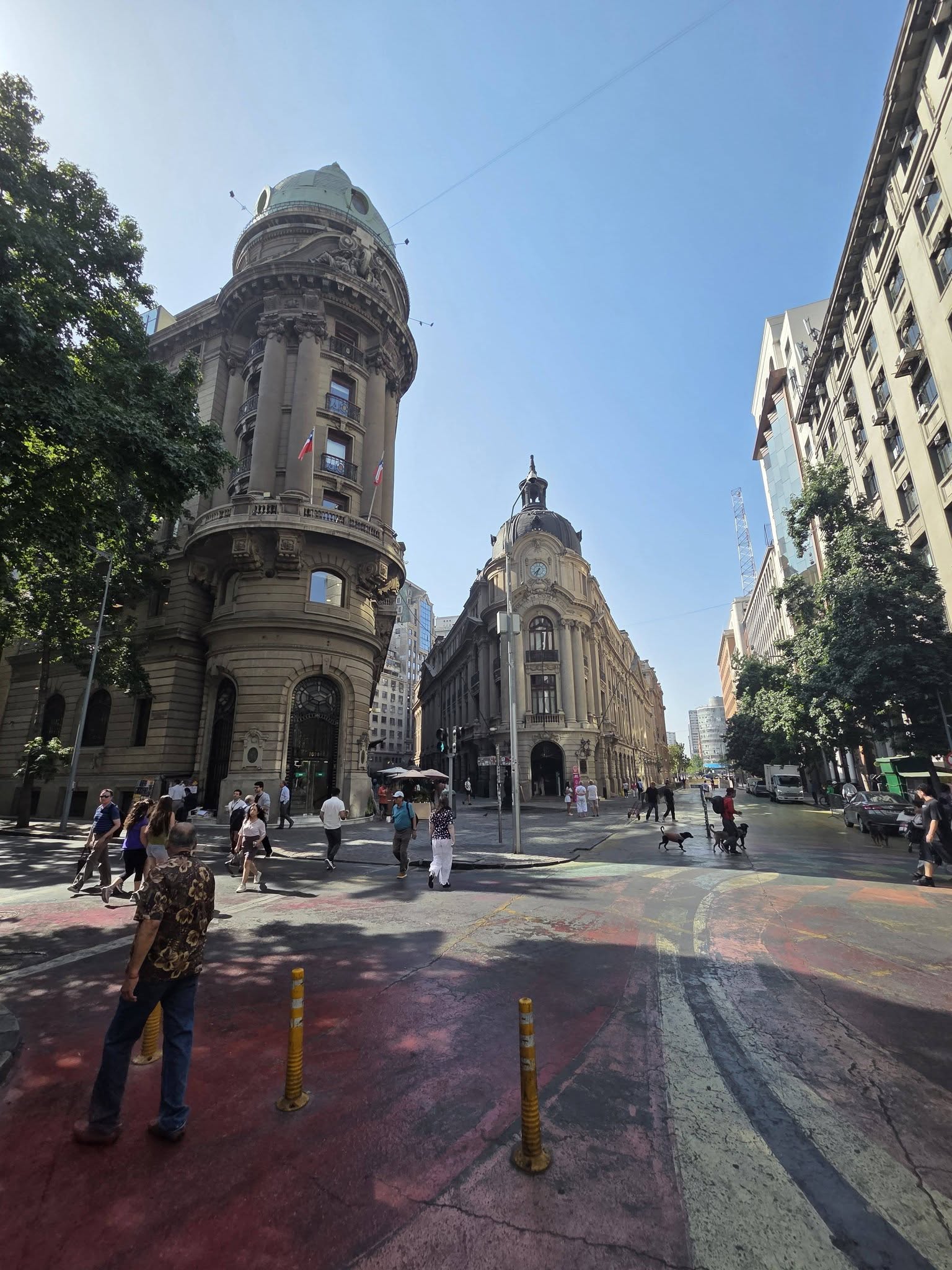
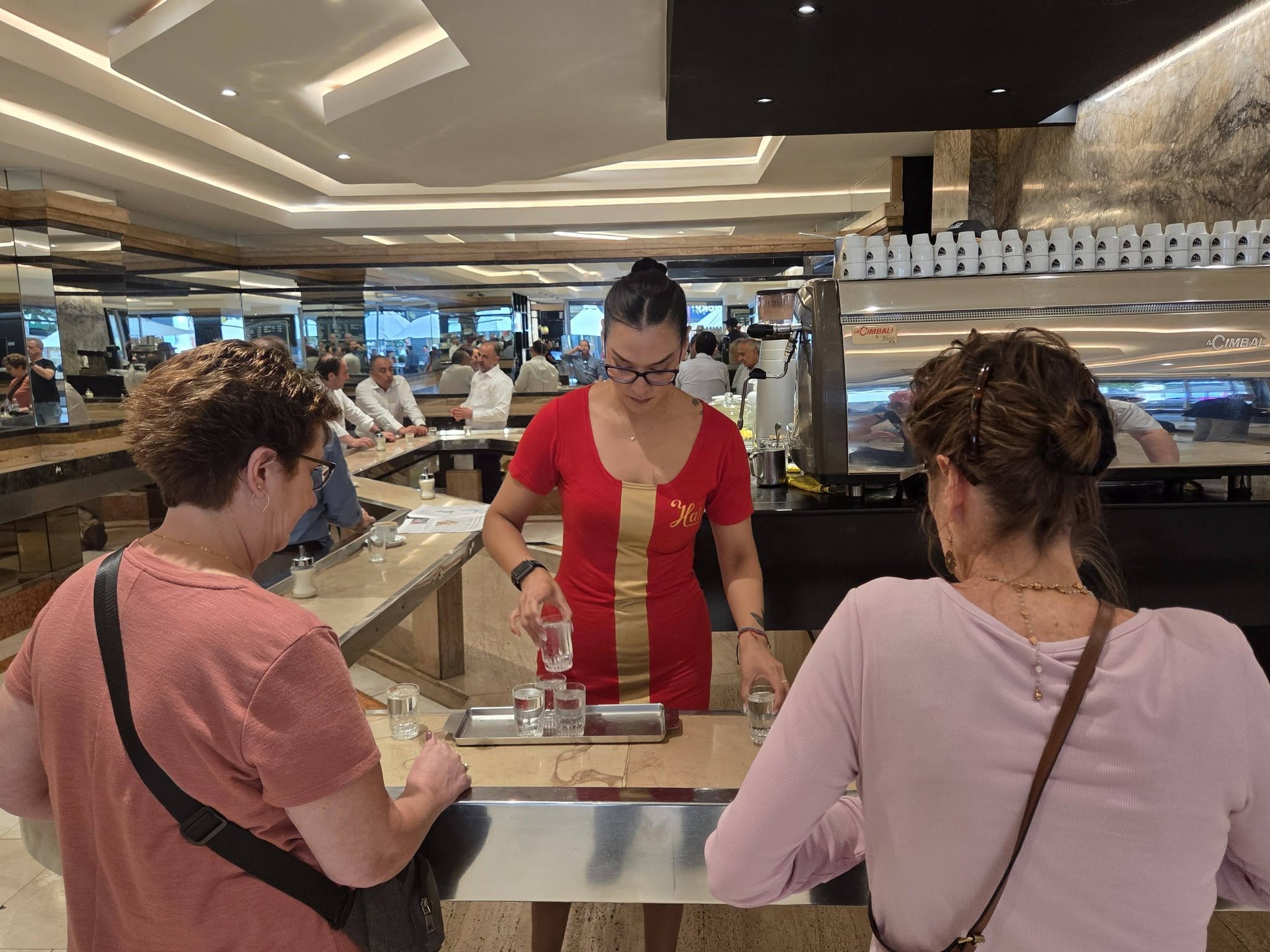
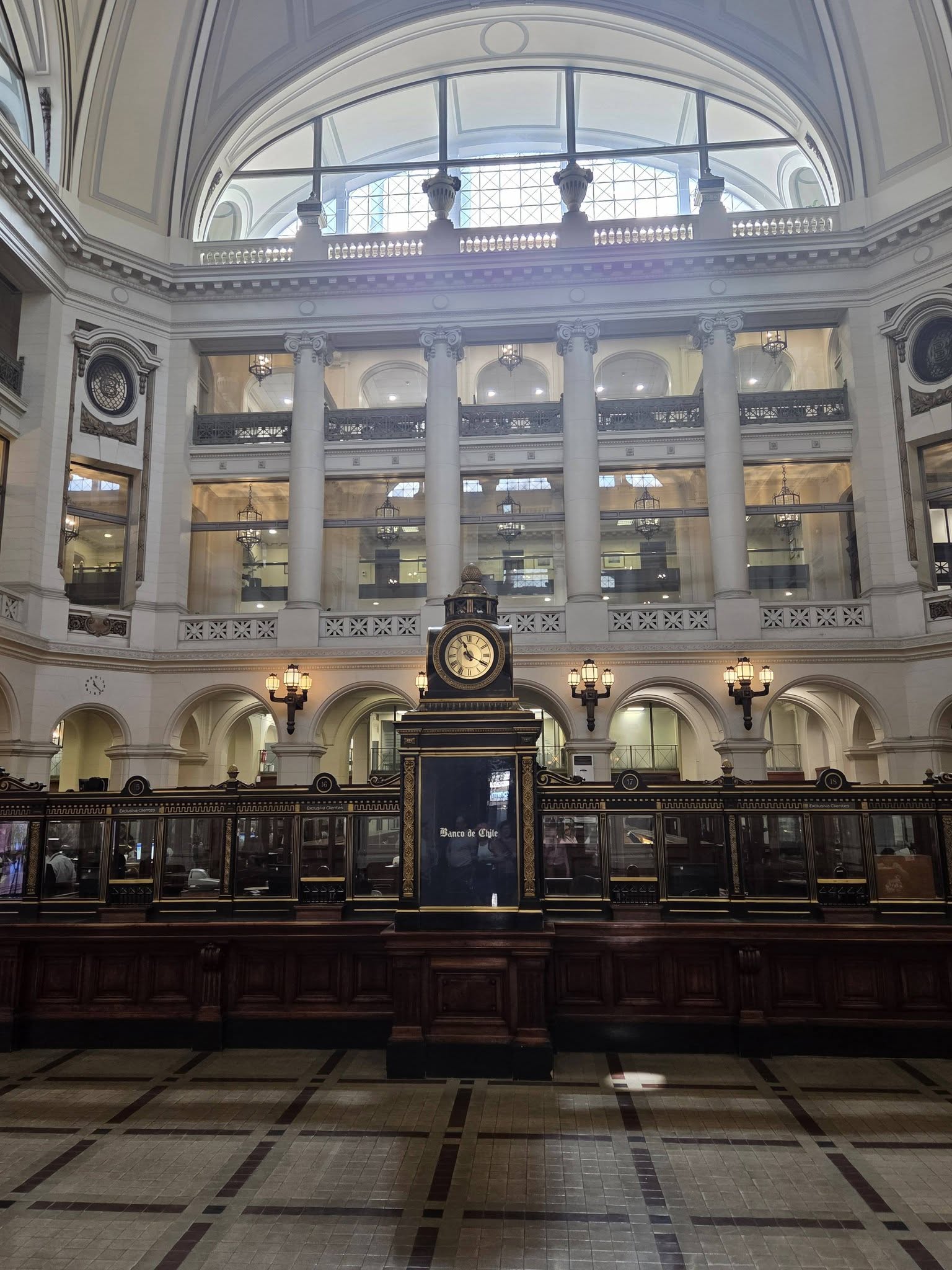
We strolled toward the Plaza de Armas and encountered two Chilean folk dancers, who were beginning their show. Check out my video here. They’re performing the national Chilean folk dance, the cueca. It portrays the mating dance between a rooster and a hen. The waving handkerchiefs symbolize the rooster’s comb and the hen’s feathers.
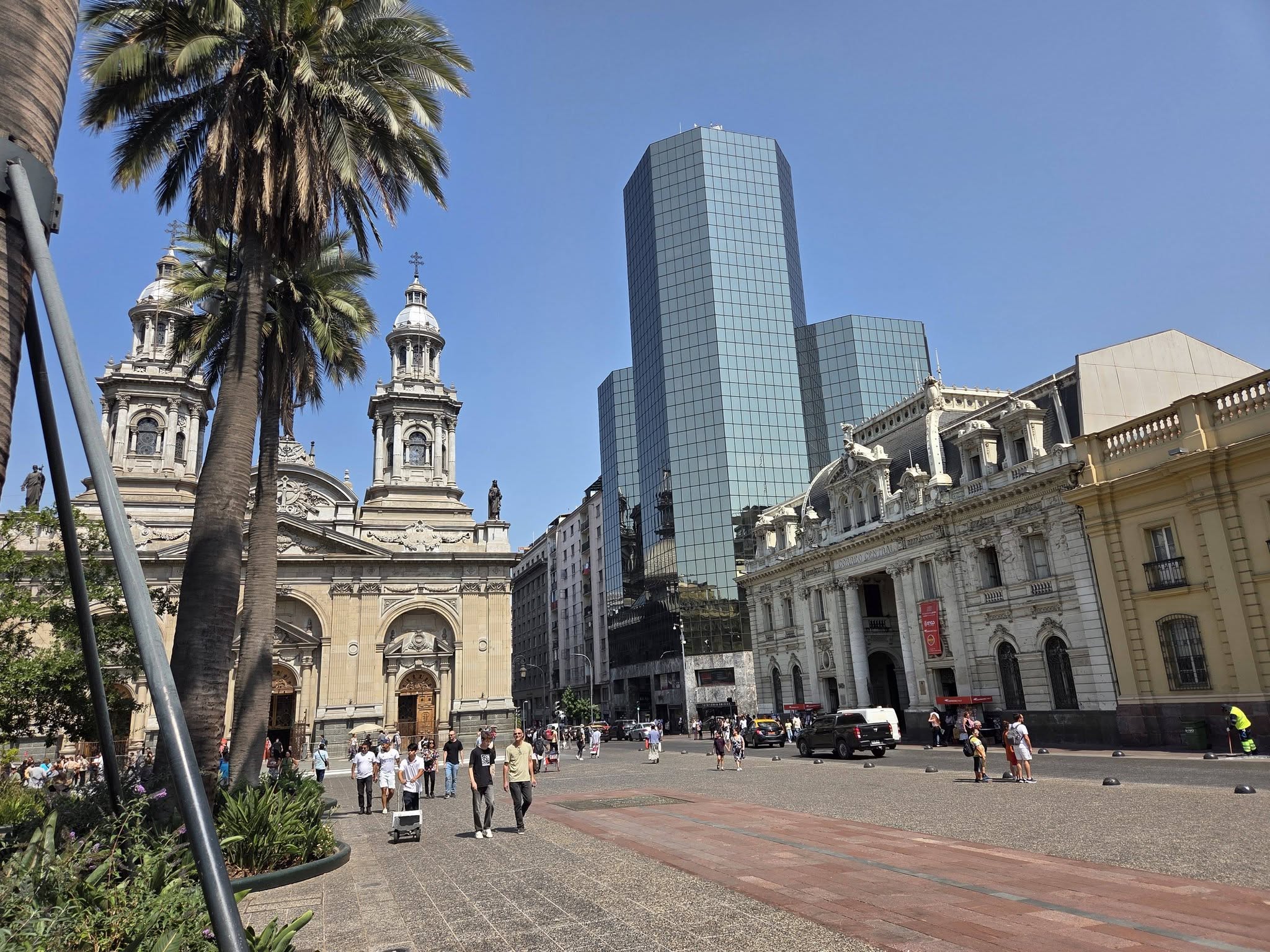
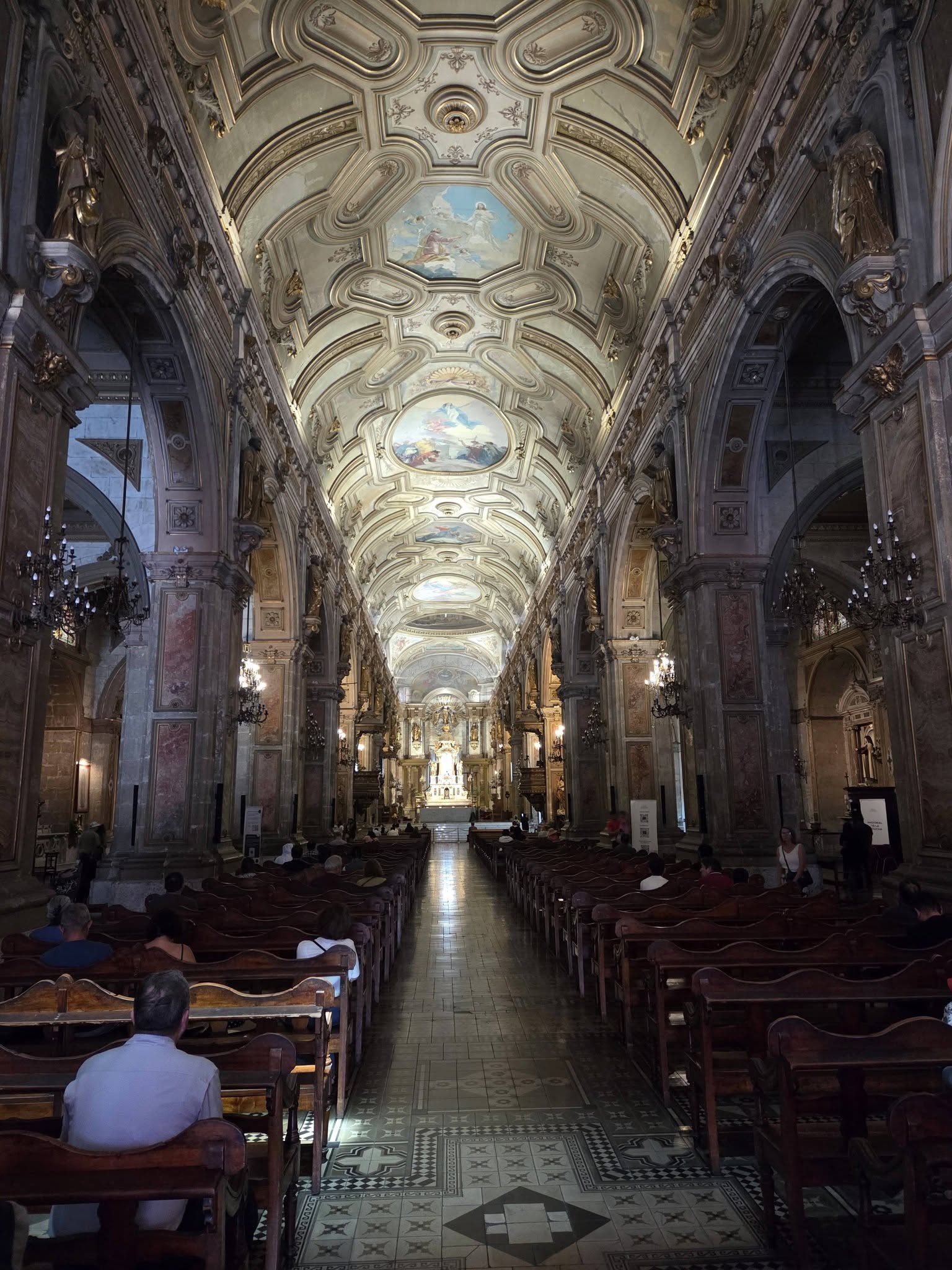
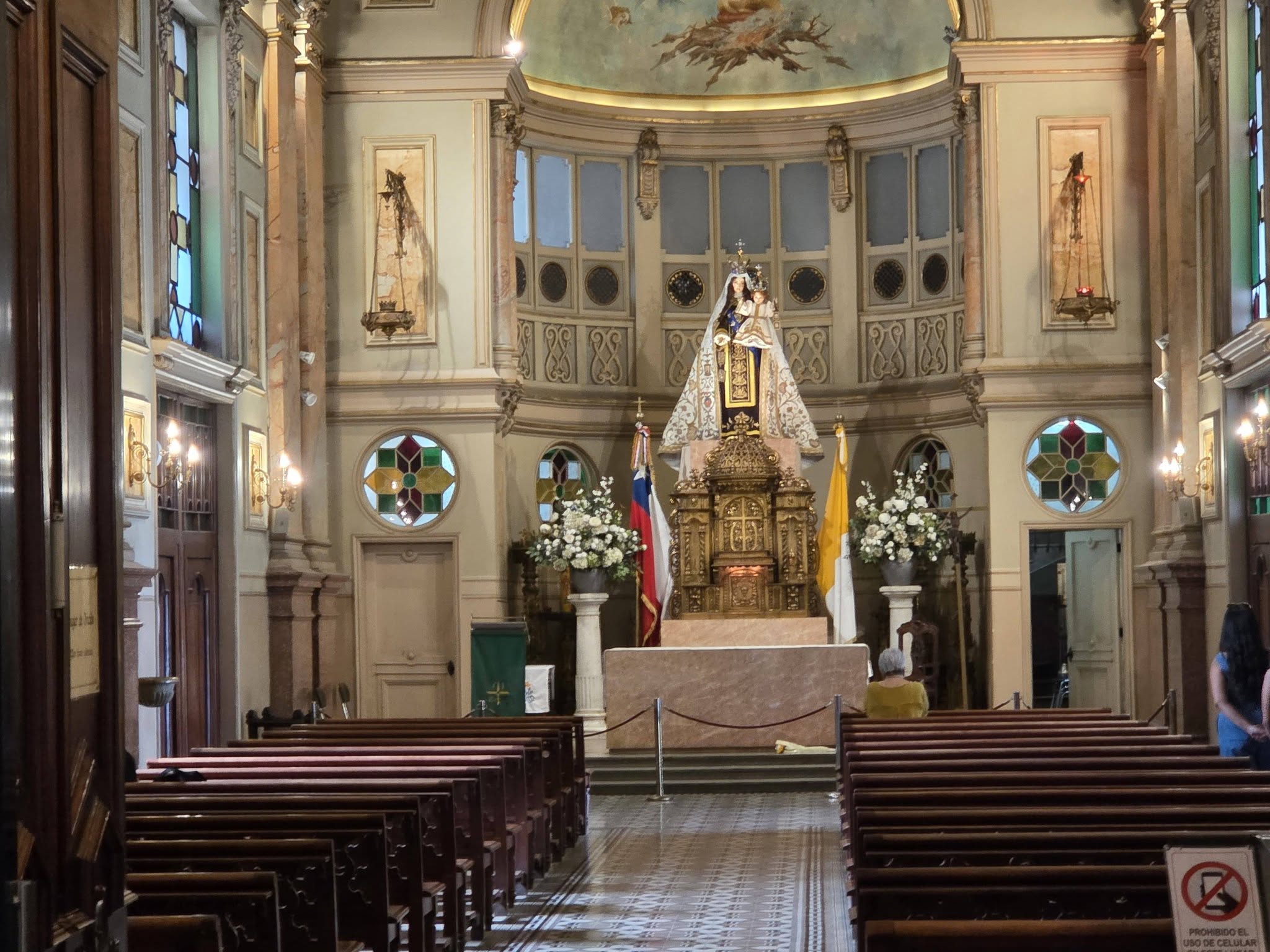
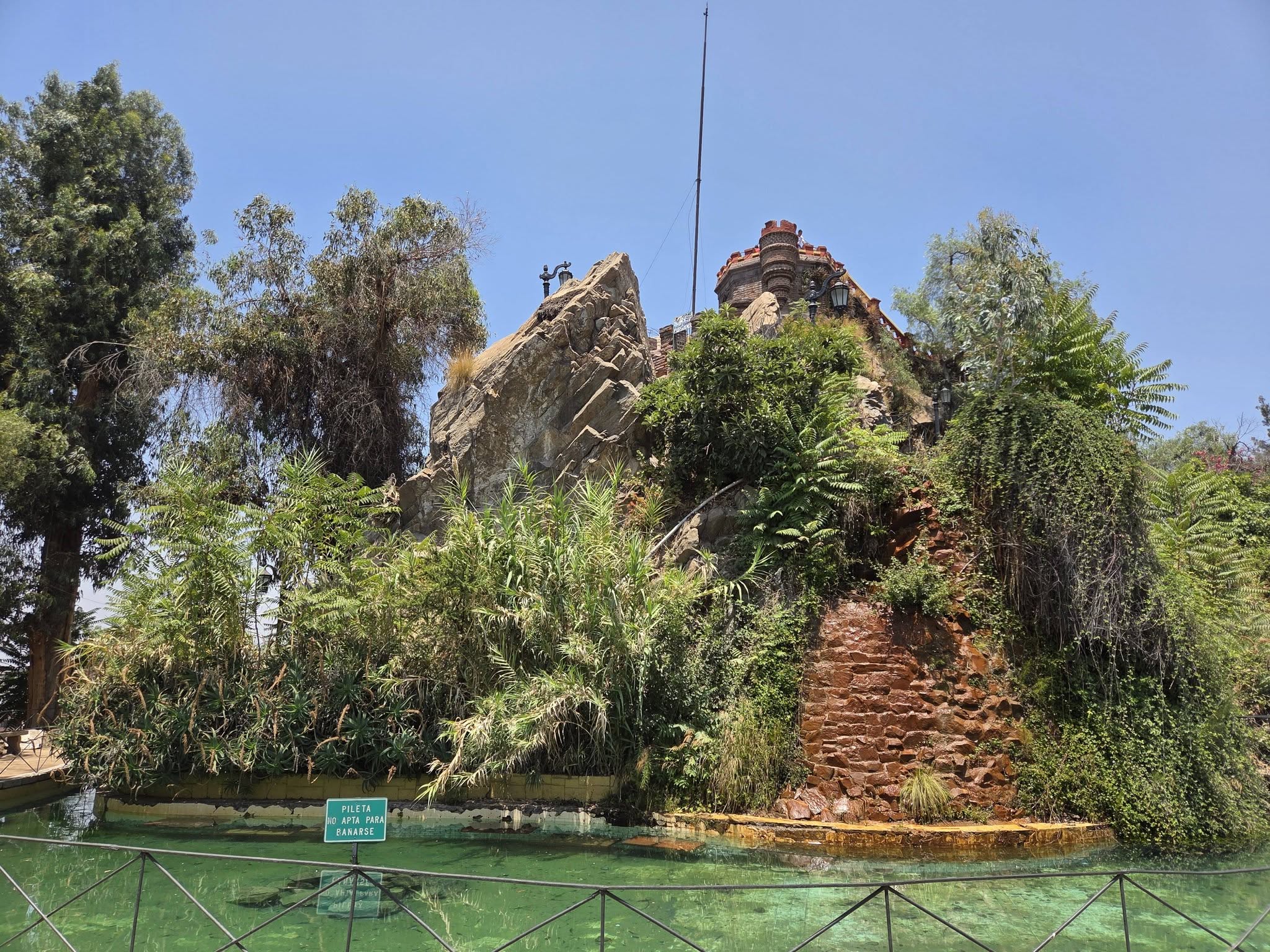
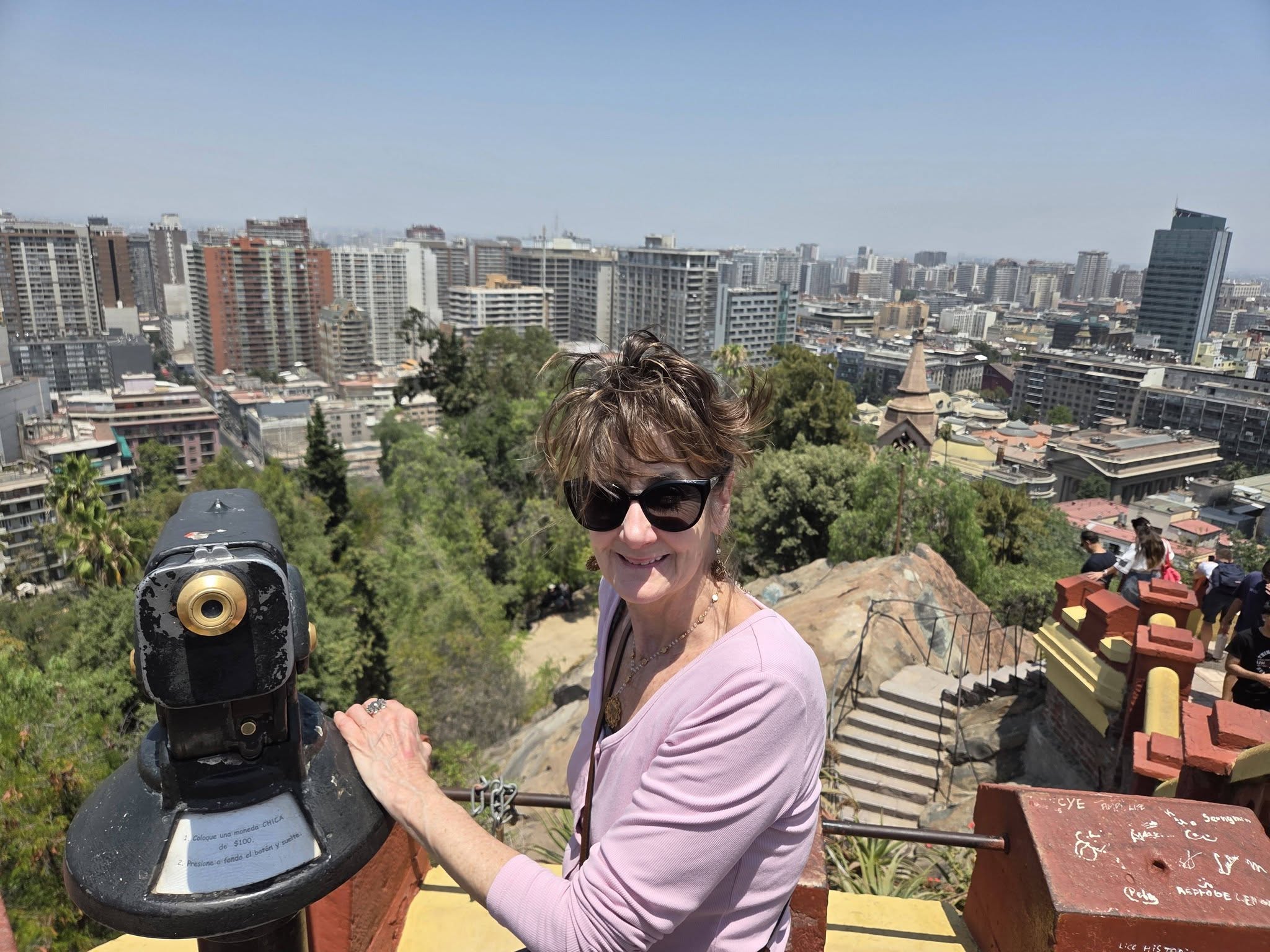
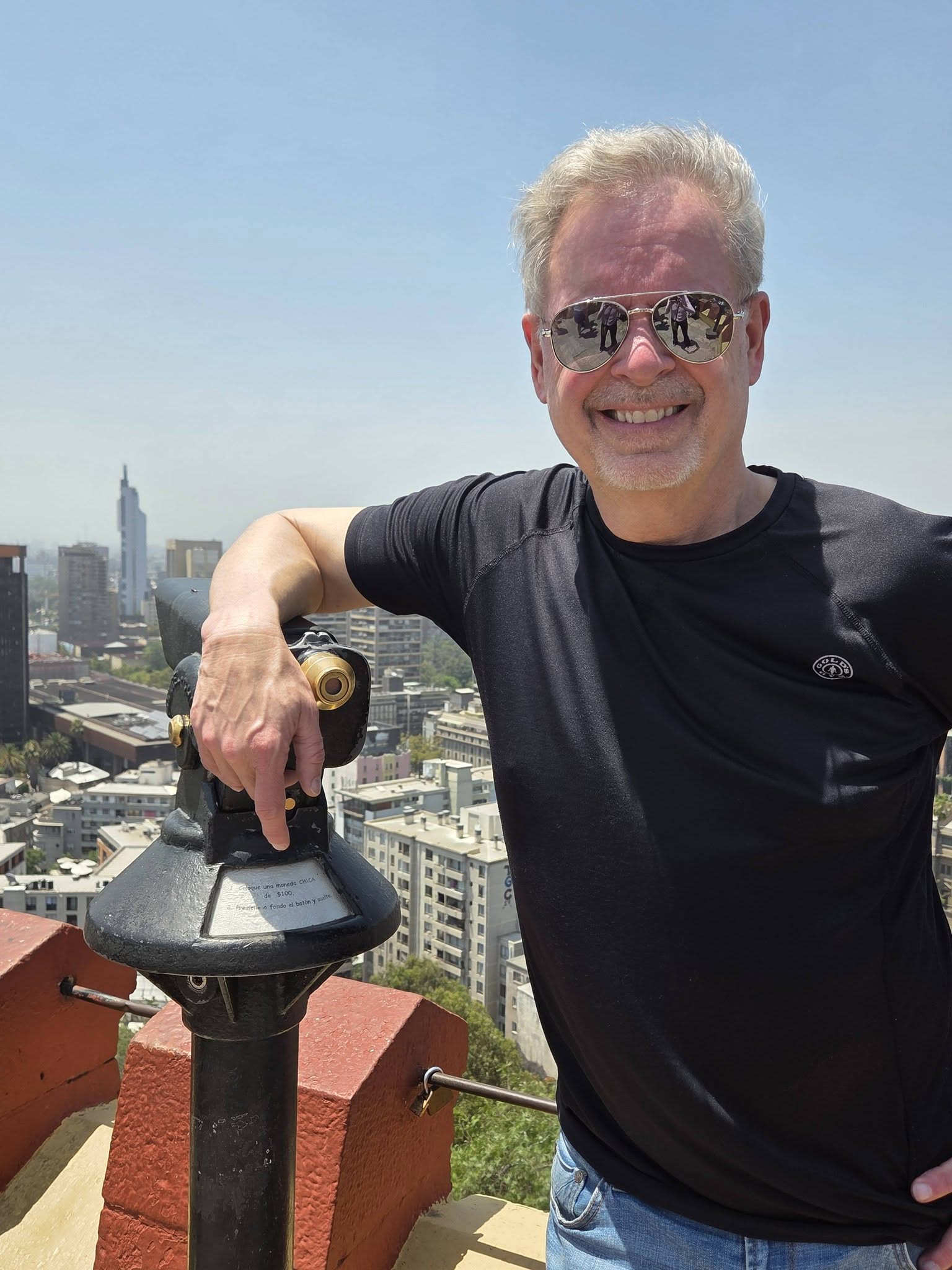
After our tour, we dined with Hector at a fine restaurant and then made our way back to the Airport Hilton, a weary bunch indeed but grateful for the warm weather, as we knew back home was dipping down into a deep freeze with temps well below zero.
On to Puerto Natales…
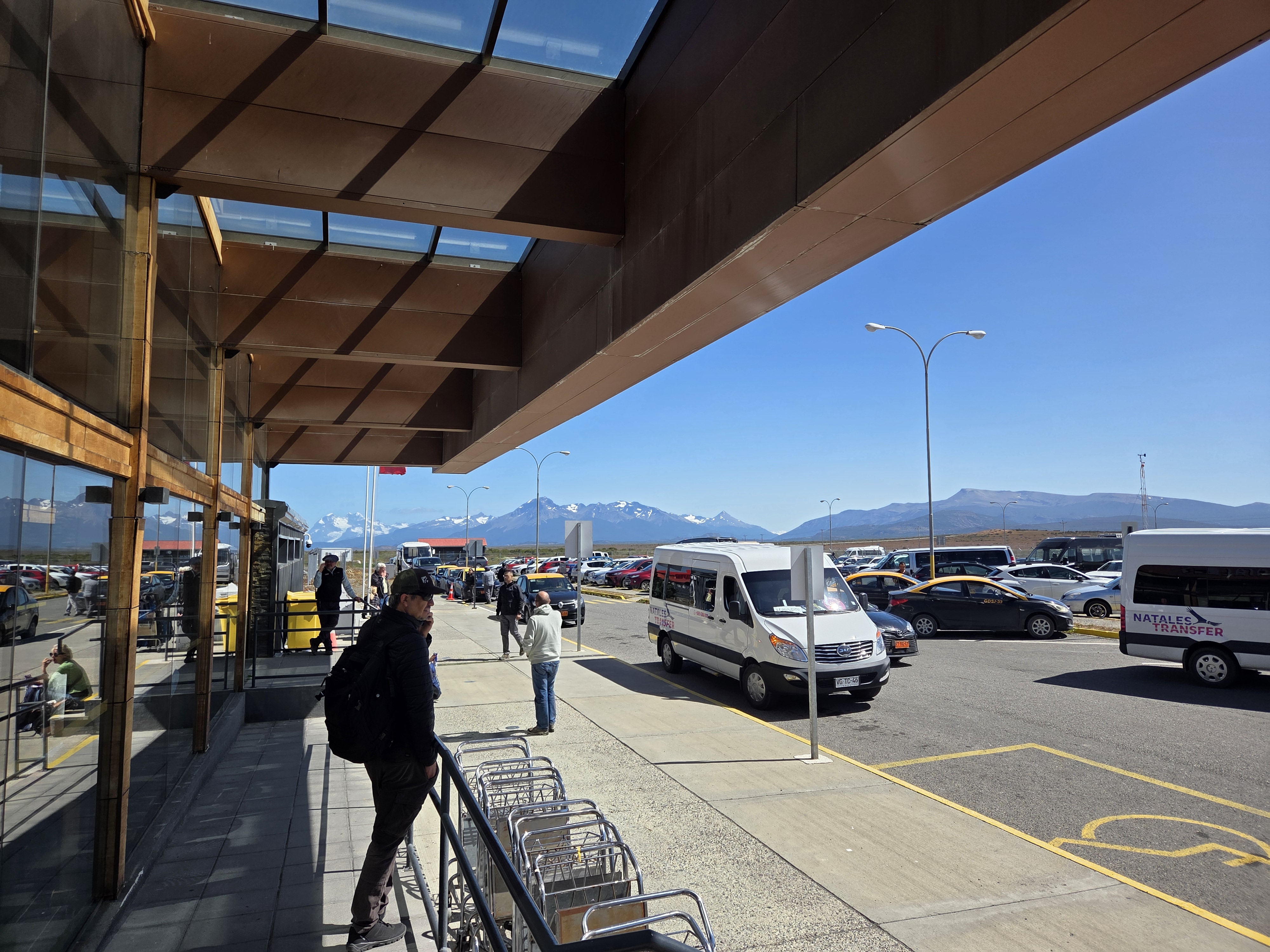
Our one night in Santiago got us rested up for the 3-hour flight to Puerto Natales on January 21st. This town of about 21,000 is Chile’s gateway to exploring the Patagonia region, which includes much of southern Chile and Argentina. The Chileans got the small slice that has some of the best scenery, including the southern Andes Mountains along with many lakes and fjords. We’d booked four nights at EcoCamp Patagonia, about a 2-hour drive north from Puerto Natales. The scenery was stunning on the drive, and we arrived in mid-afternoon.
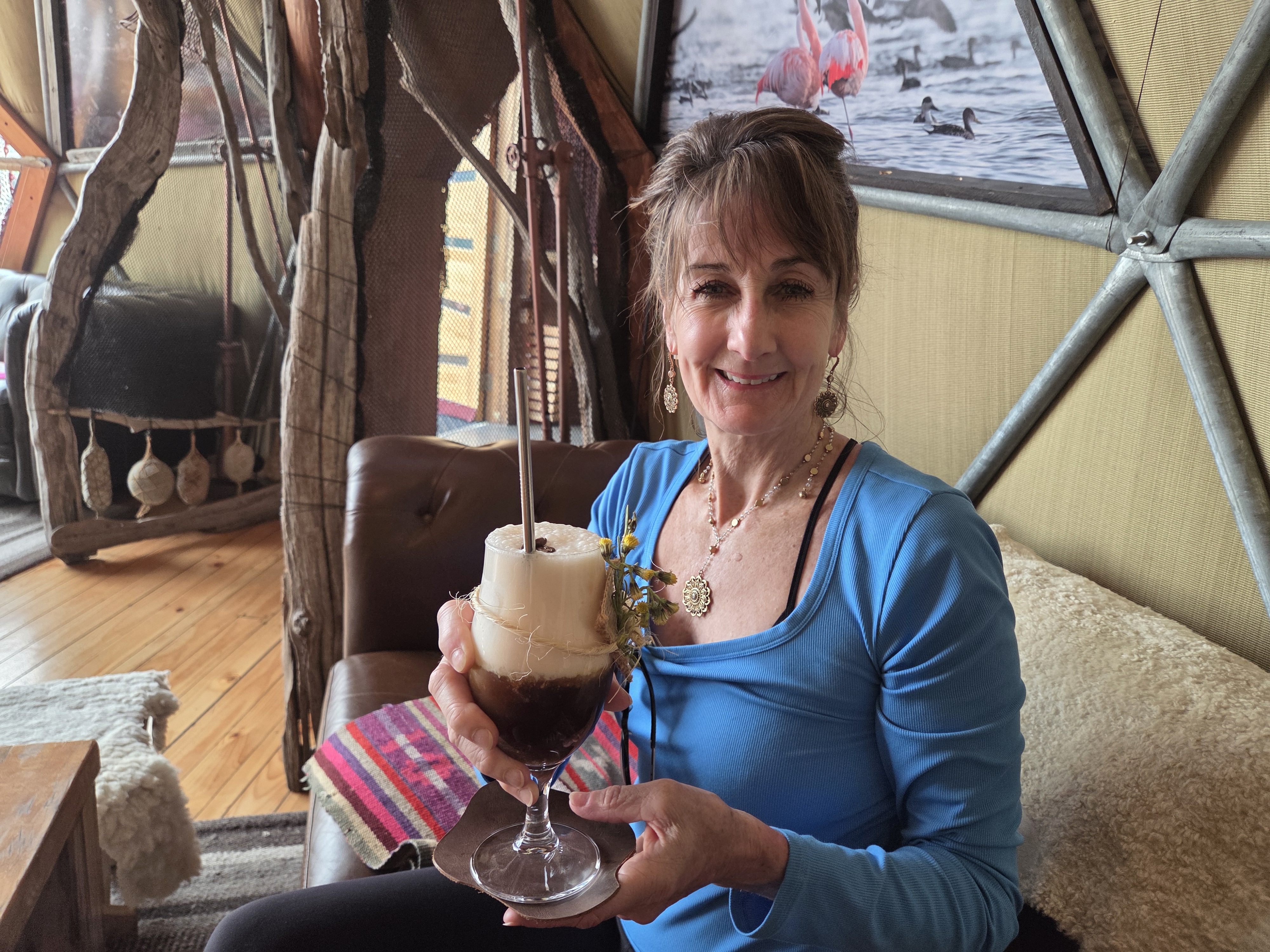
The camp is a collection of domes, served by solar-powered heat and electricity. Everything is oriented toward environmental preservation, right down to the special commodes in most of the rooms. The smallest rooms required guests to share a communal shower/bathroom dome. It’s a first-class place with world-class hiking trails. I was a little concerned about my ability to do rugged mountain trekking after my experience climbing Kilimanjaro some 15 months ago, in which my surgically-repaired right foot barely held up, thanks to a brace, and my left foot sustained enough damage that the big toe had to be amputated after we got home.
As it turned out, the one hike I did, a scheduled 15km trek along the shores of a pair of nearby lakes, did me in. Sue and I turned back at the 5km mark, getting back to our starting point in time to rest for an hour before the remainder of the group arrived and we took a boat back across the lake to where our bus waited. I would soon discover that my 2nd toe on the left foot developed another blister, worse than the blister that showed up there a couple weeks ago and which had healed. I would wind up losing the nail on the toe and it grounded me from further hiking the rest of the trip. Otherwise, though, it was a fine place to stay with first-class food and service. The rest of our group did another hike the next day and Rob, who has extensive big-game hunting experience in some pretty remote and mountainous regions of the world, did a final hike on Saturday.
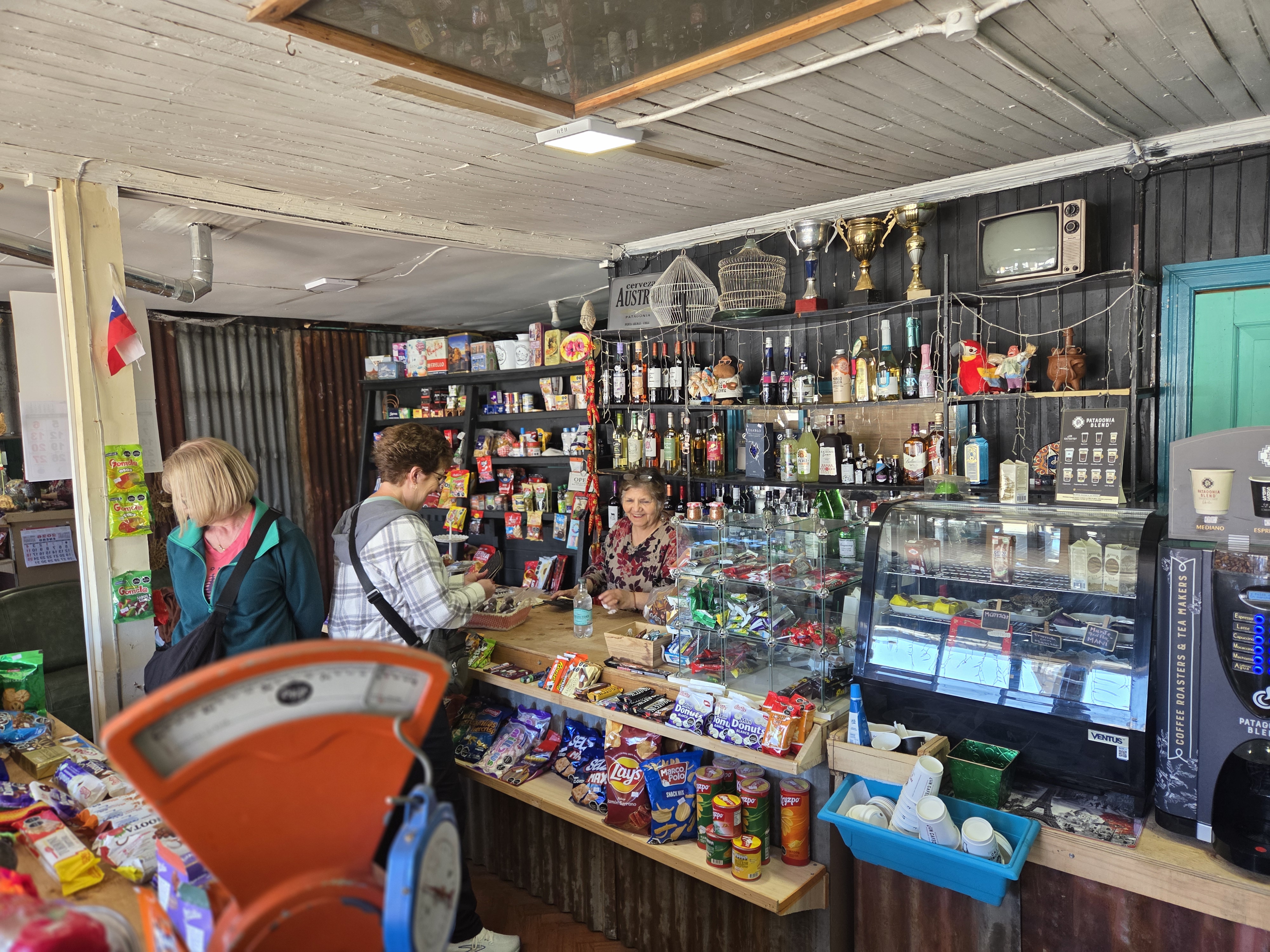
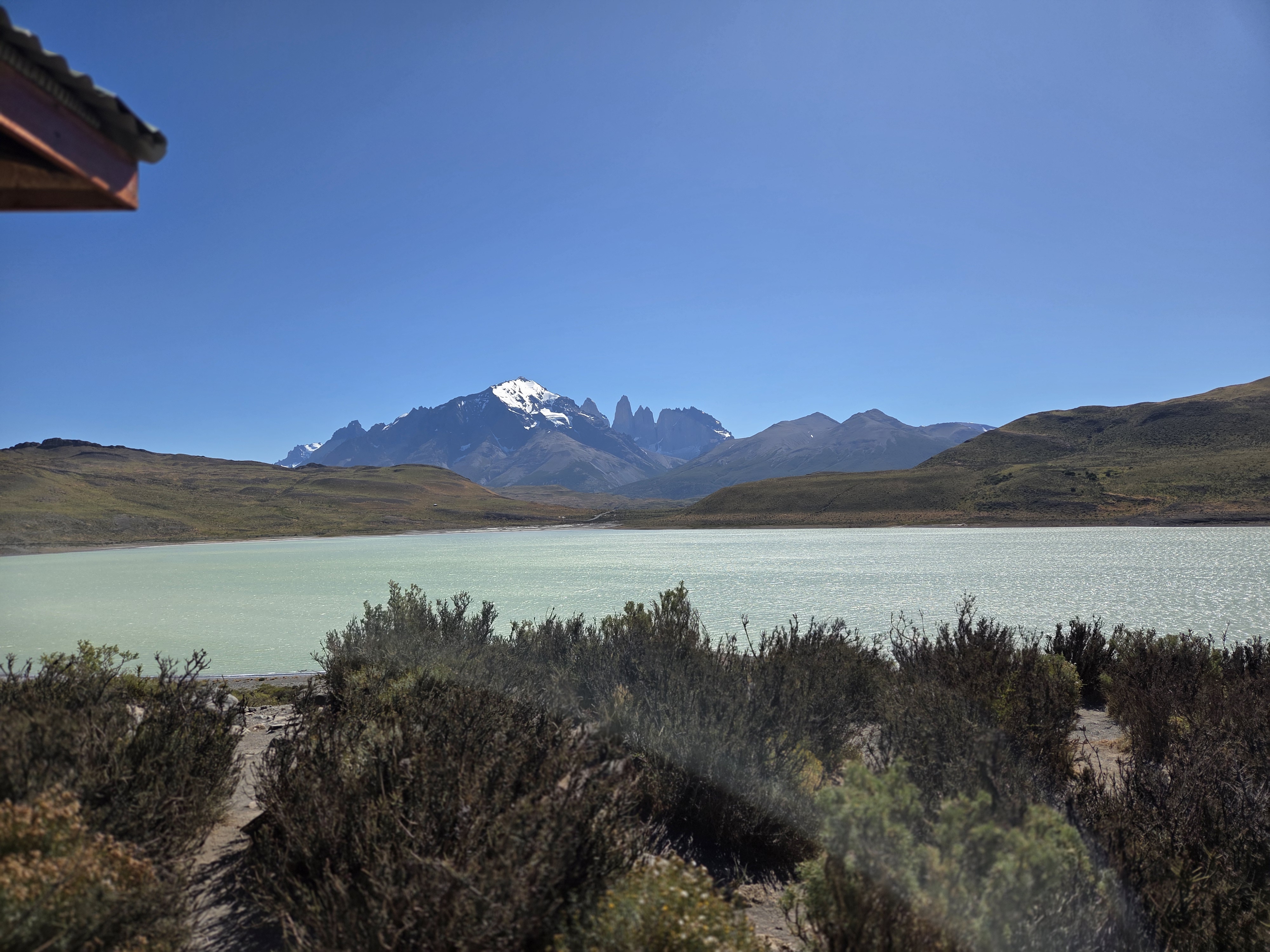
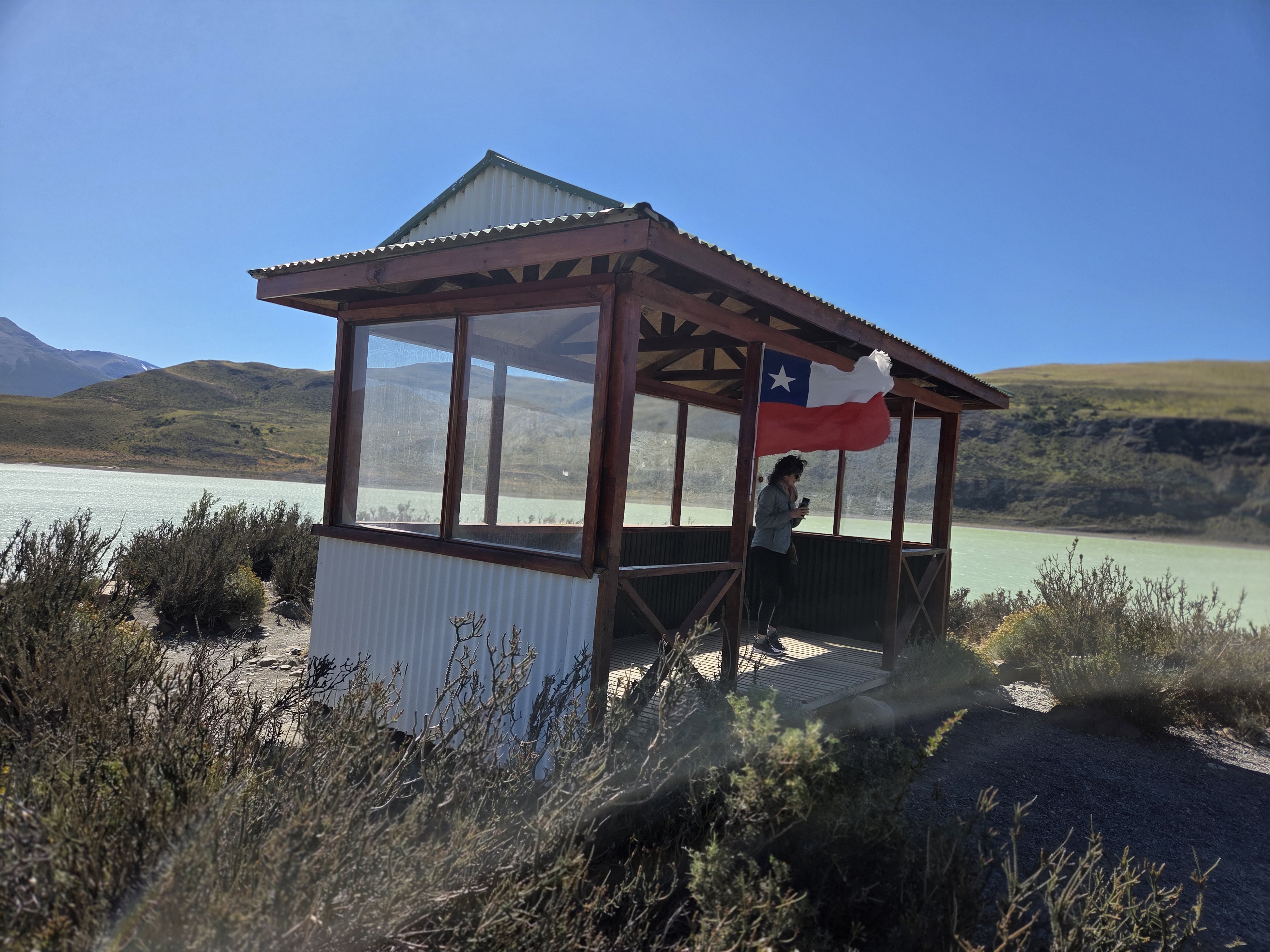
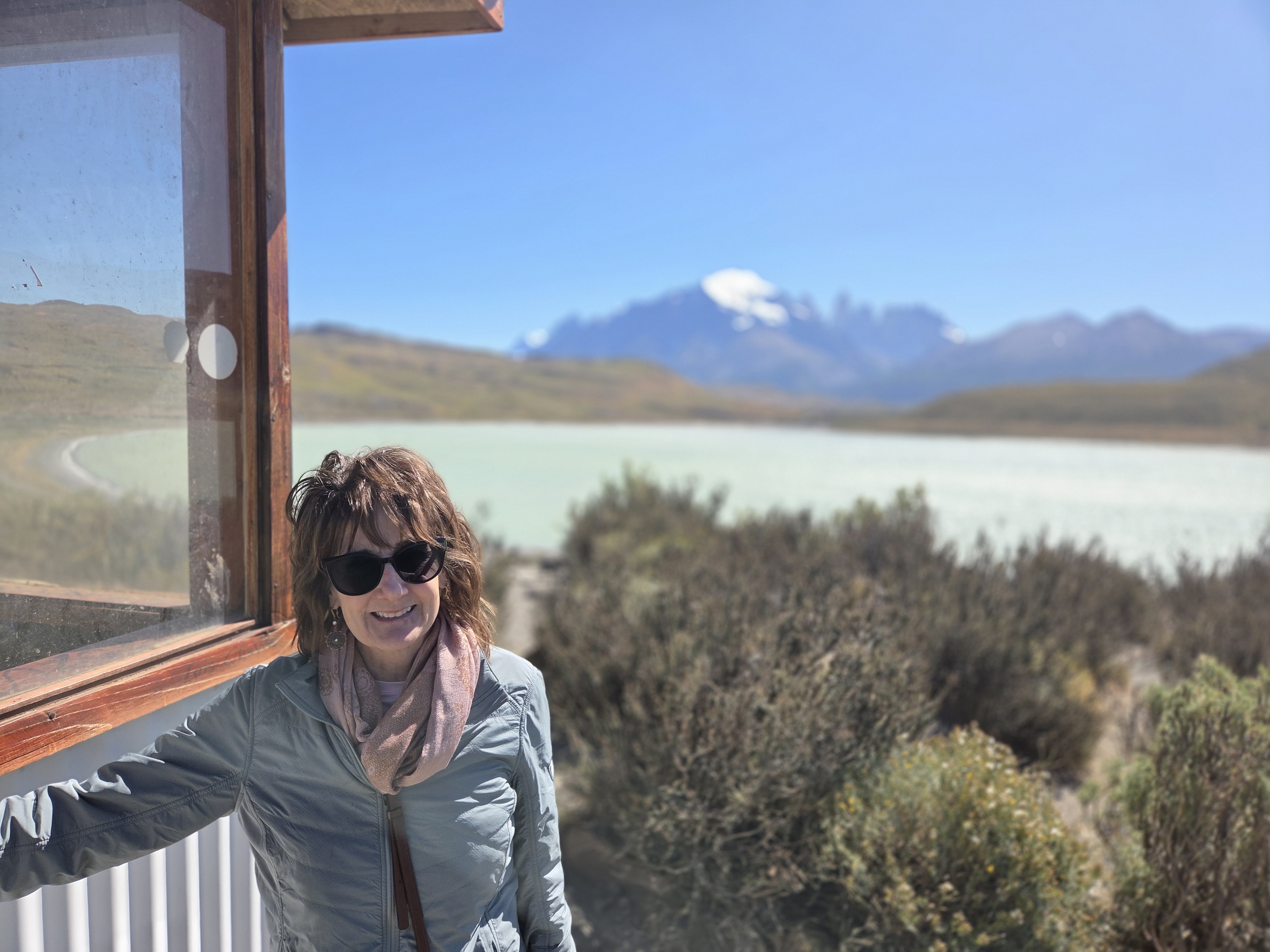
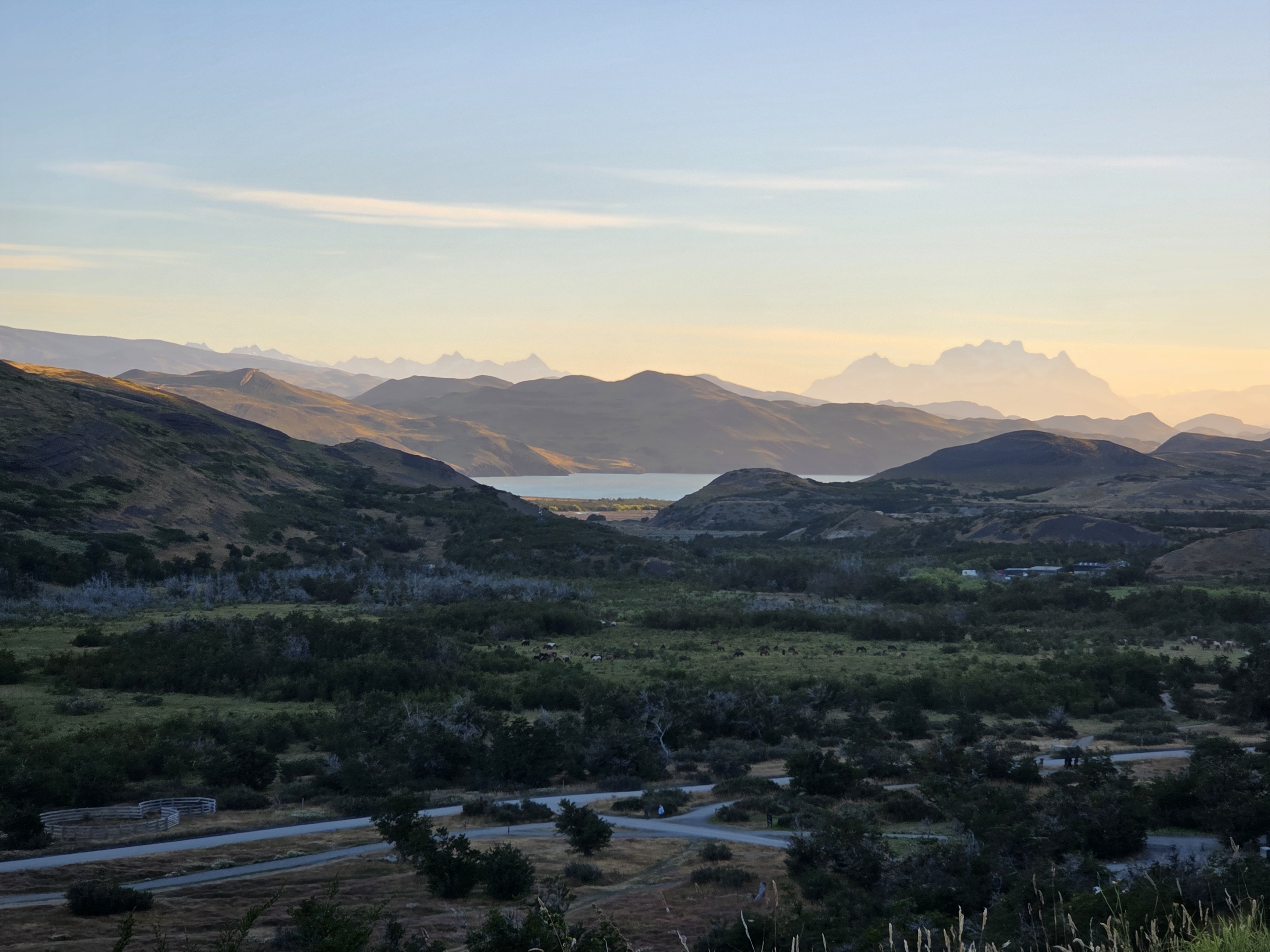
The drive to the camp was very scenic. We soon entered Torres del Paine National Park and stopped for pictures at one of the smaller glacial lakes.
Shortly after that stop we arrived at camp, where I was able to shoot a video after we checked in: EcoCamp Patagonia. When we got into our dome, Sue kept with tradition by giving her Facebook followers a guided tour.
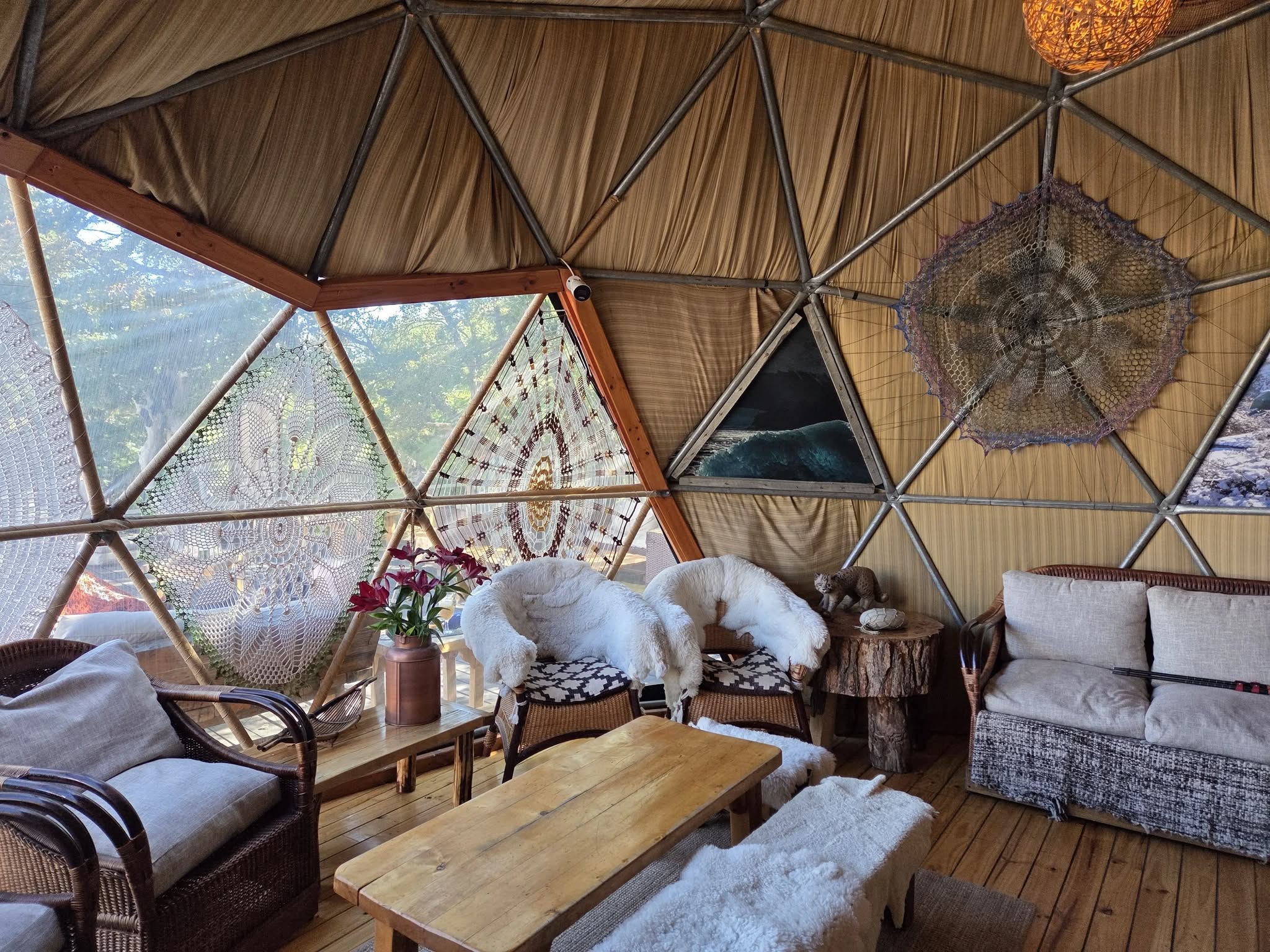
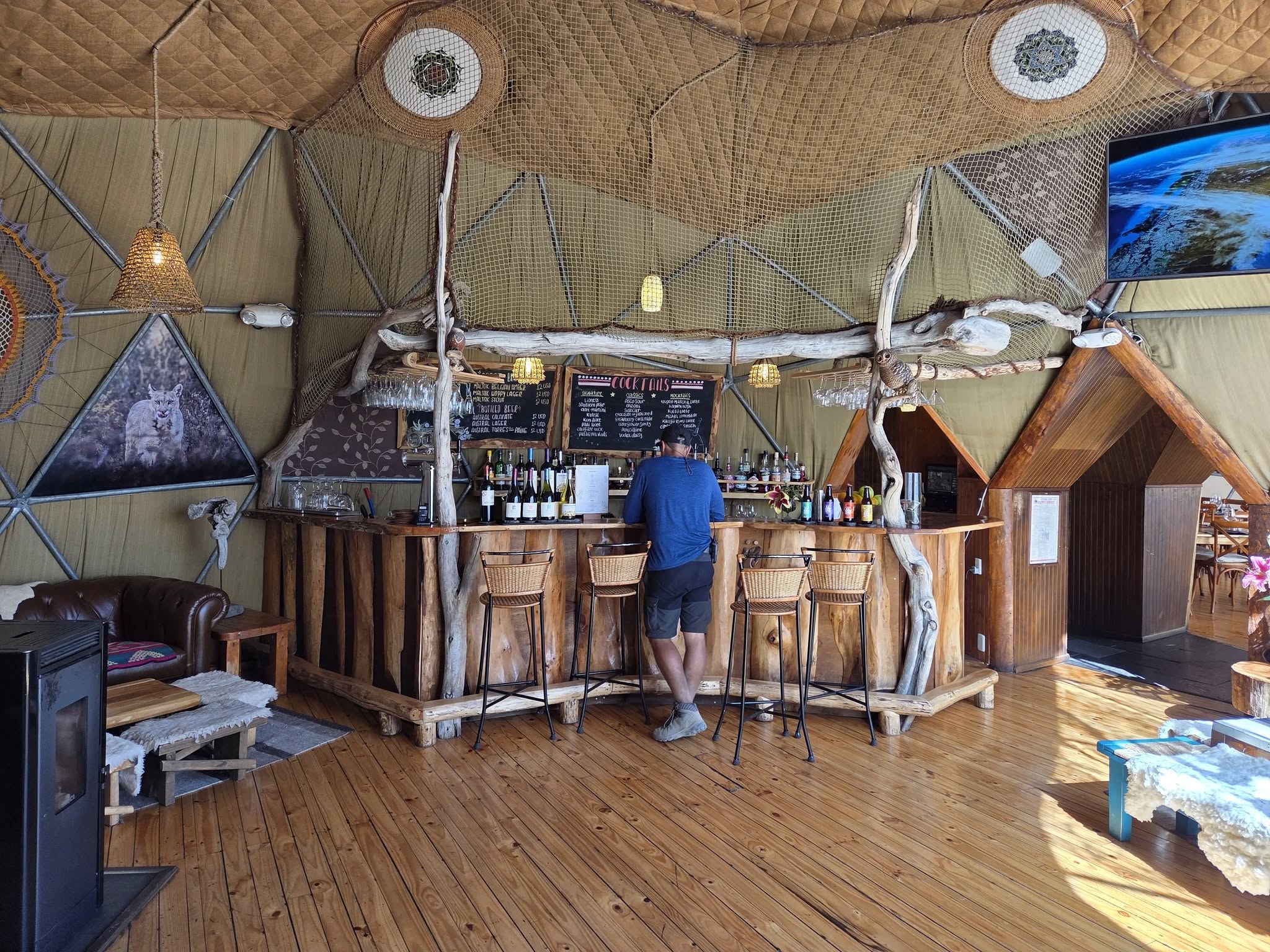
Yoga classes were offered twice a day, along with a daily “singing bowl” meditation session, which was new to me. Sue took her viewers on a tour.
Our first full day, January 22, included our first hike (and for me, my last).
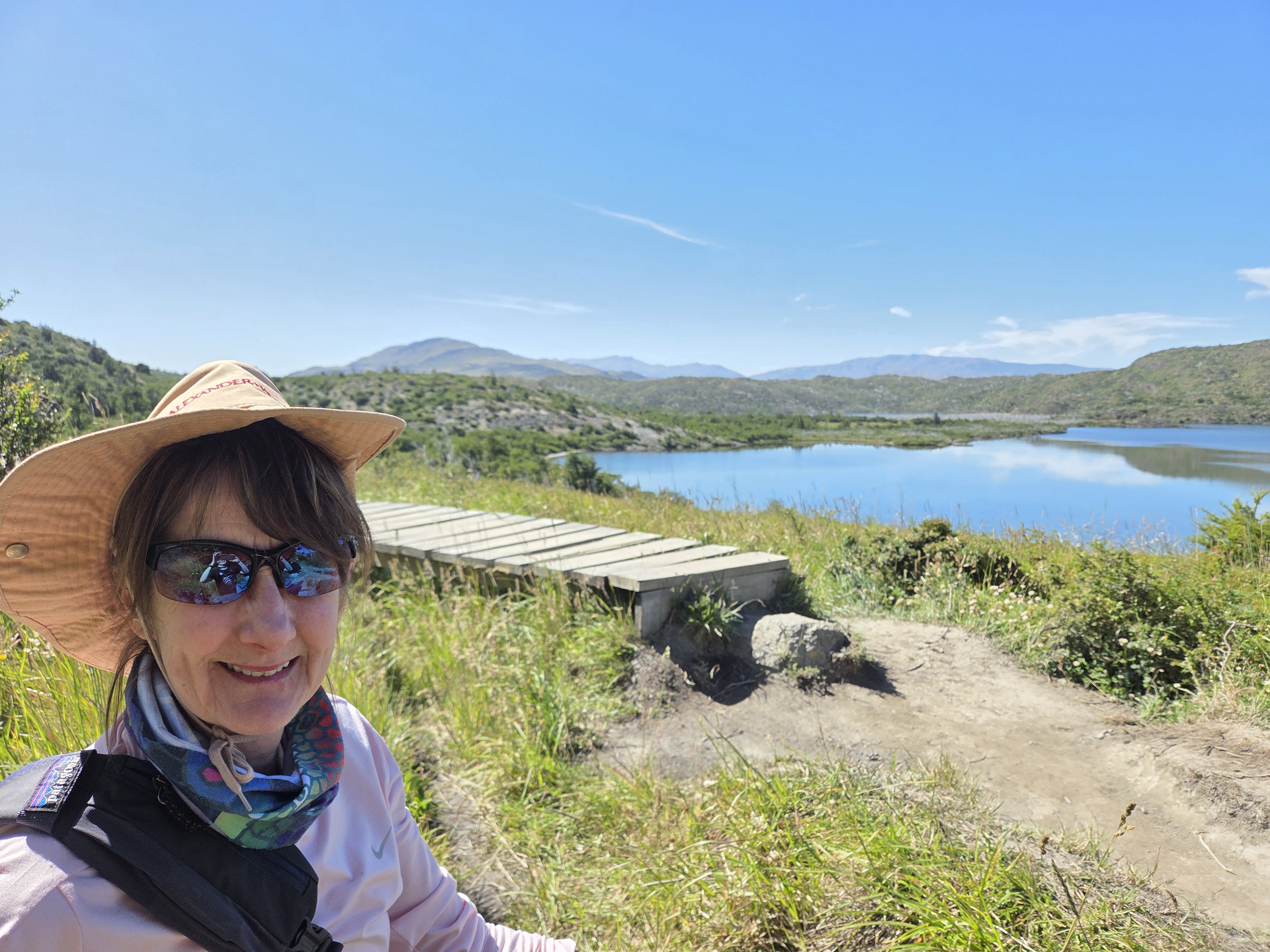
Needless to say, we were glad to get back to the camp after a boat ride across the lake pictured above, followed by an hour-long bus ride. The next day, January 23, Sue joined the rest of our group for another excursion, but I begged off, choosing the rest the feet and catch up on some writing. I was in the process of reviewing the manuscript for my next novel, The Dance We Shared, which is about half-done. I was also able to engage several fellow campers in conversation, meeting people from all over, including Ian, from the U.K., and his Turkish wife, Rahsan, and a Florida couple, Kirk and Clare, who spend their summers in Waupaca, up here in northern Wisconsin.
Most of the group took January 24 off to enjoy the camp with yoga, massages and conversation, while Rob and a younger British couple set off on one of the camp’s most rigorous hikes. They made it back later that day, no worse for wear, although Rob was wishing that his and Lynette’s dome would’ve included a hot tub.
Sunday the 25th saw us pack up, check out of EcoCamp and head south to Puerto Natales, where we were to spend two nights before flying to Antarctica.
Things start to get a little dicey…
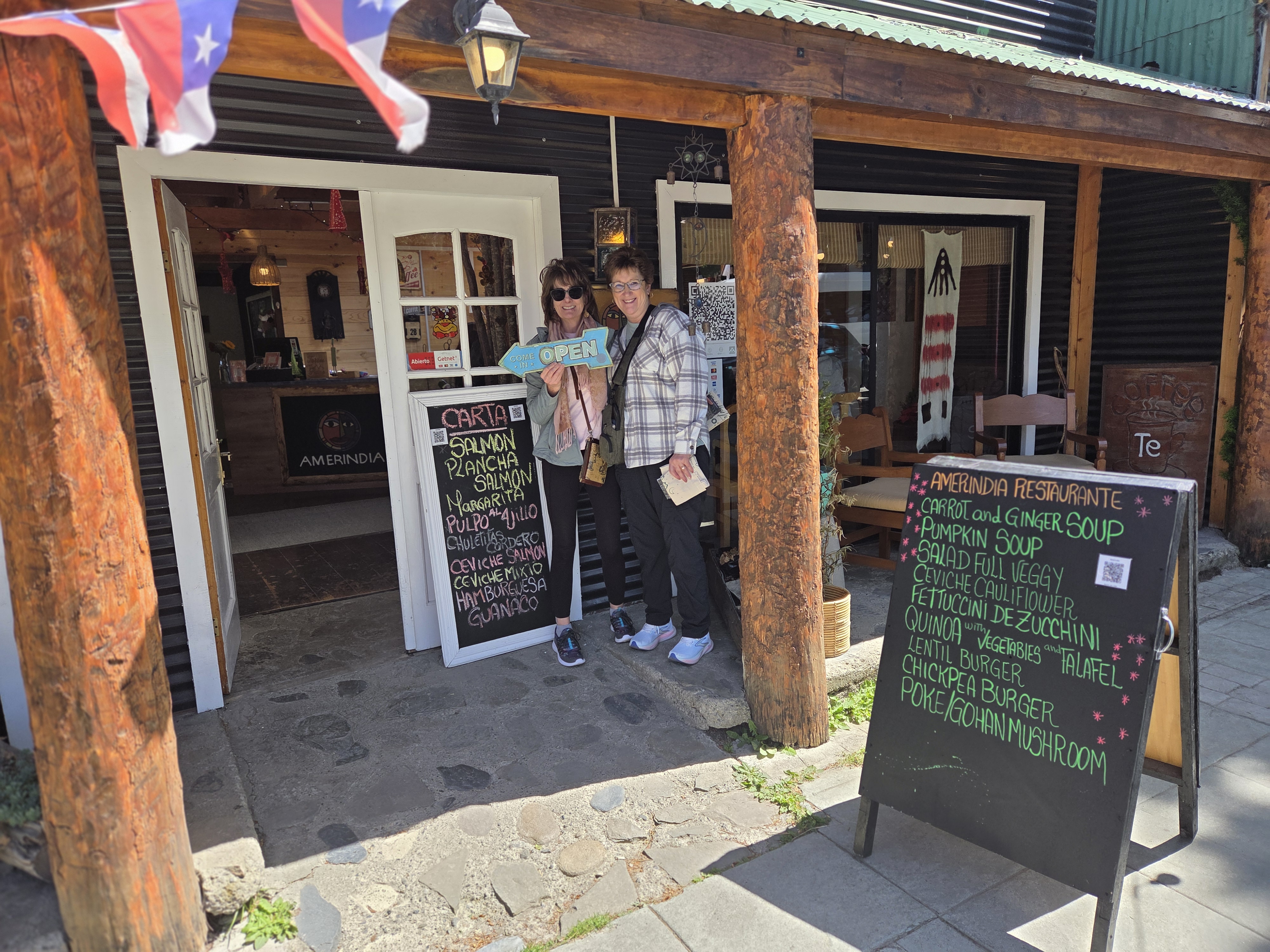
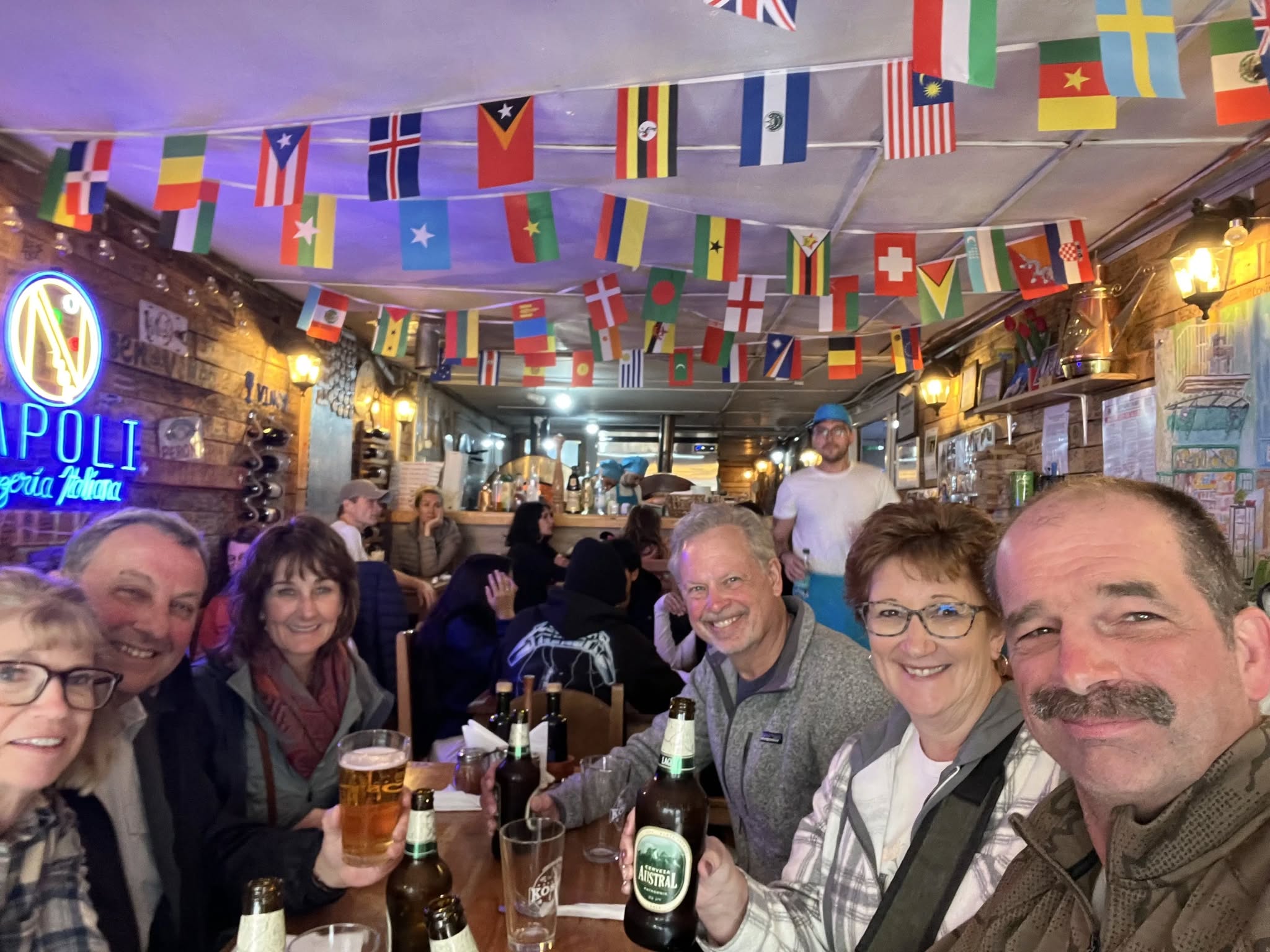
Our first night in Puerto Natales was in the beautiful Hotel Costaustralis, on the shore of Senoret Channel, which is a fjord that leads into the Southwest Pacific. We had time to explore the town, dining at a terrific little Italian restaurant and witnessing a pretty awesome group of young drummers in the town plaza.
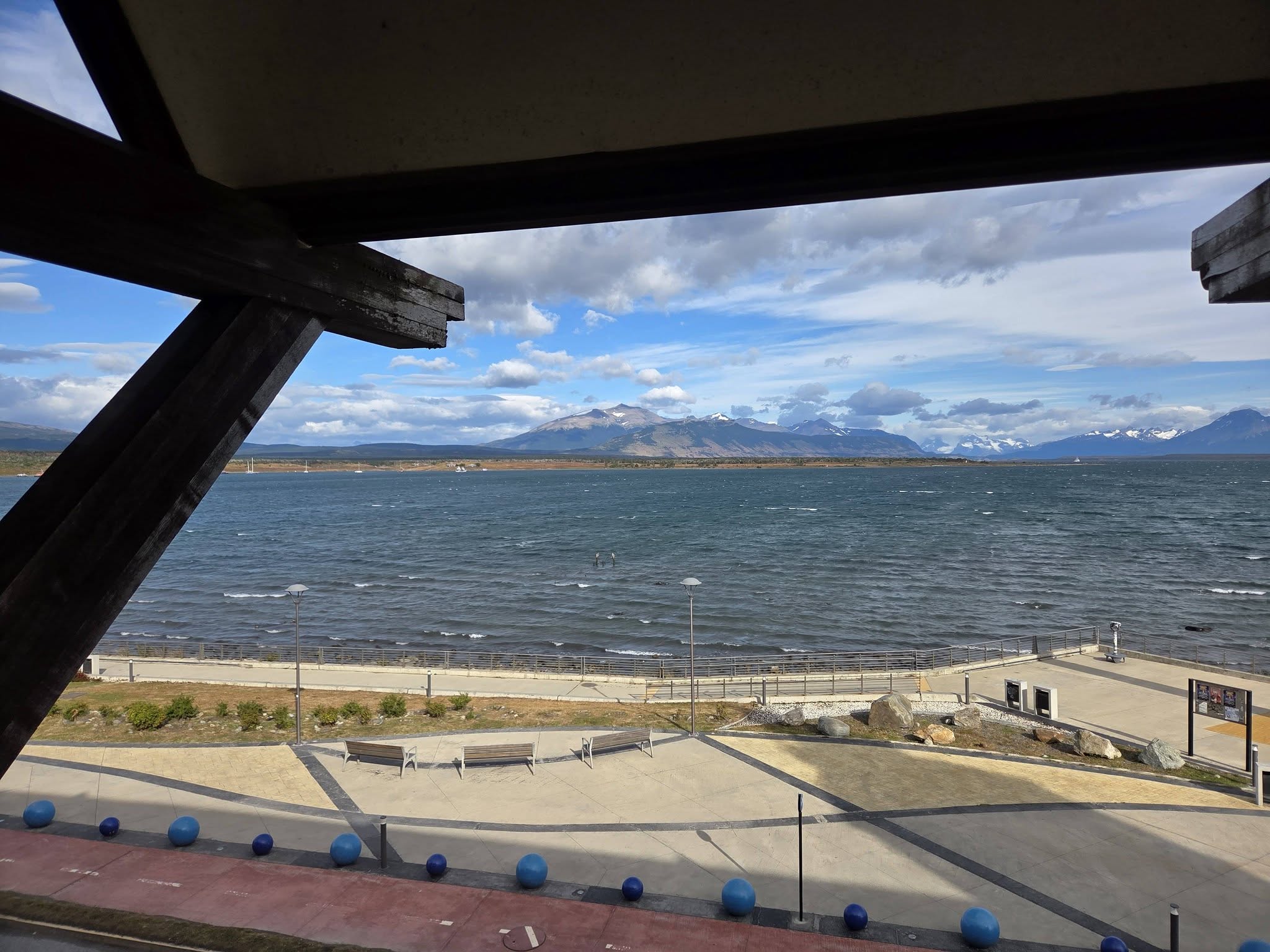
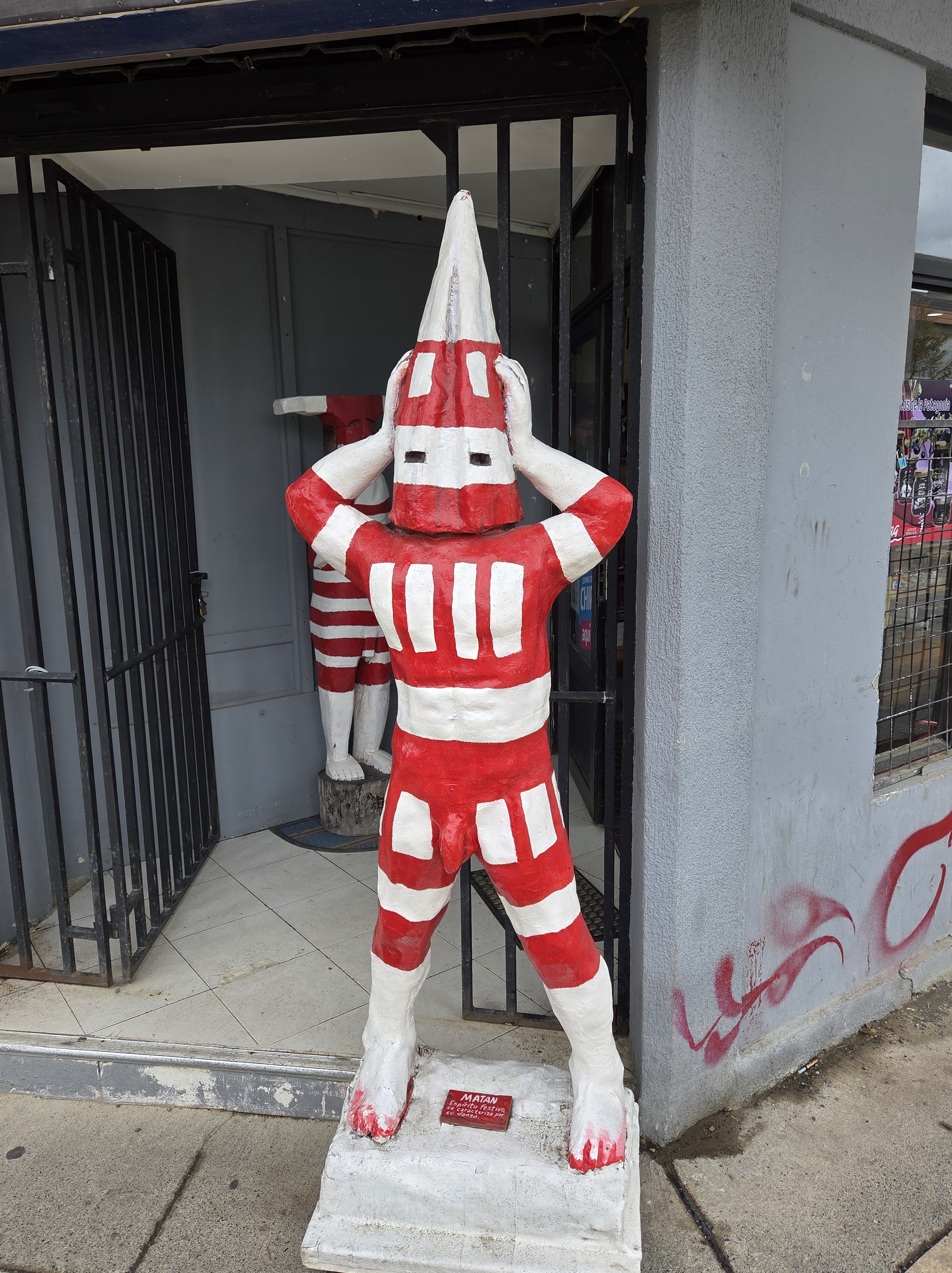
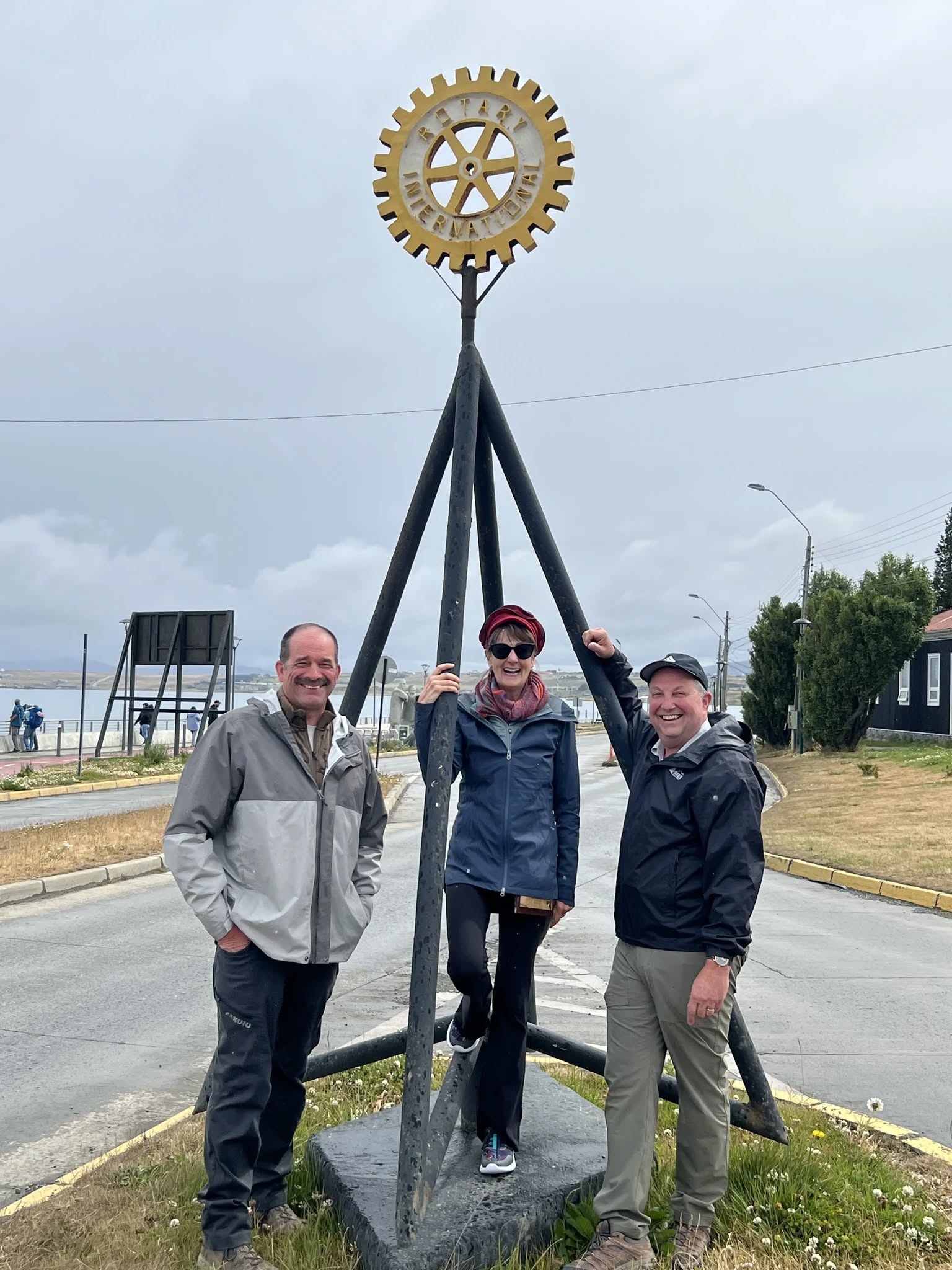
The local Rotary Club has apparently been pretty active here, because their symbol was at the entrance to the central park of the town, where we listened to the drummers, who put on quite a show: Chilean kid drummers.
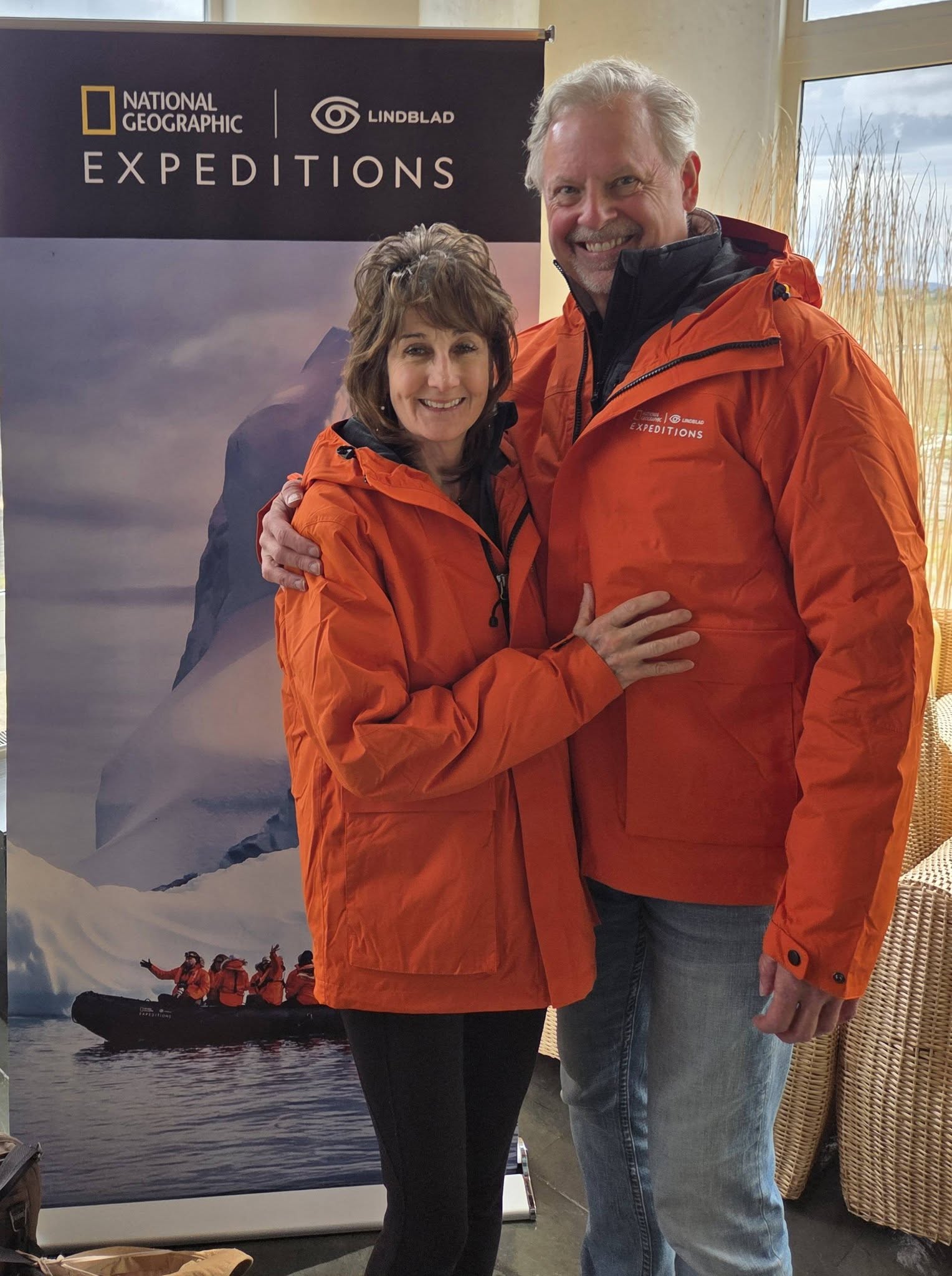
The next day, January 26, we transferred to the Remota Hotel, the headquarters of Lindblad Expeditions, which had arranged our upcoming (we thought) Antarctic adventure. After checking into our room, we watched an orientation video, then were fitted with our special gear, all of which we’d purchased as part of the package (except for the rubber boots).
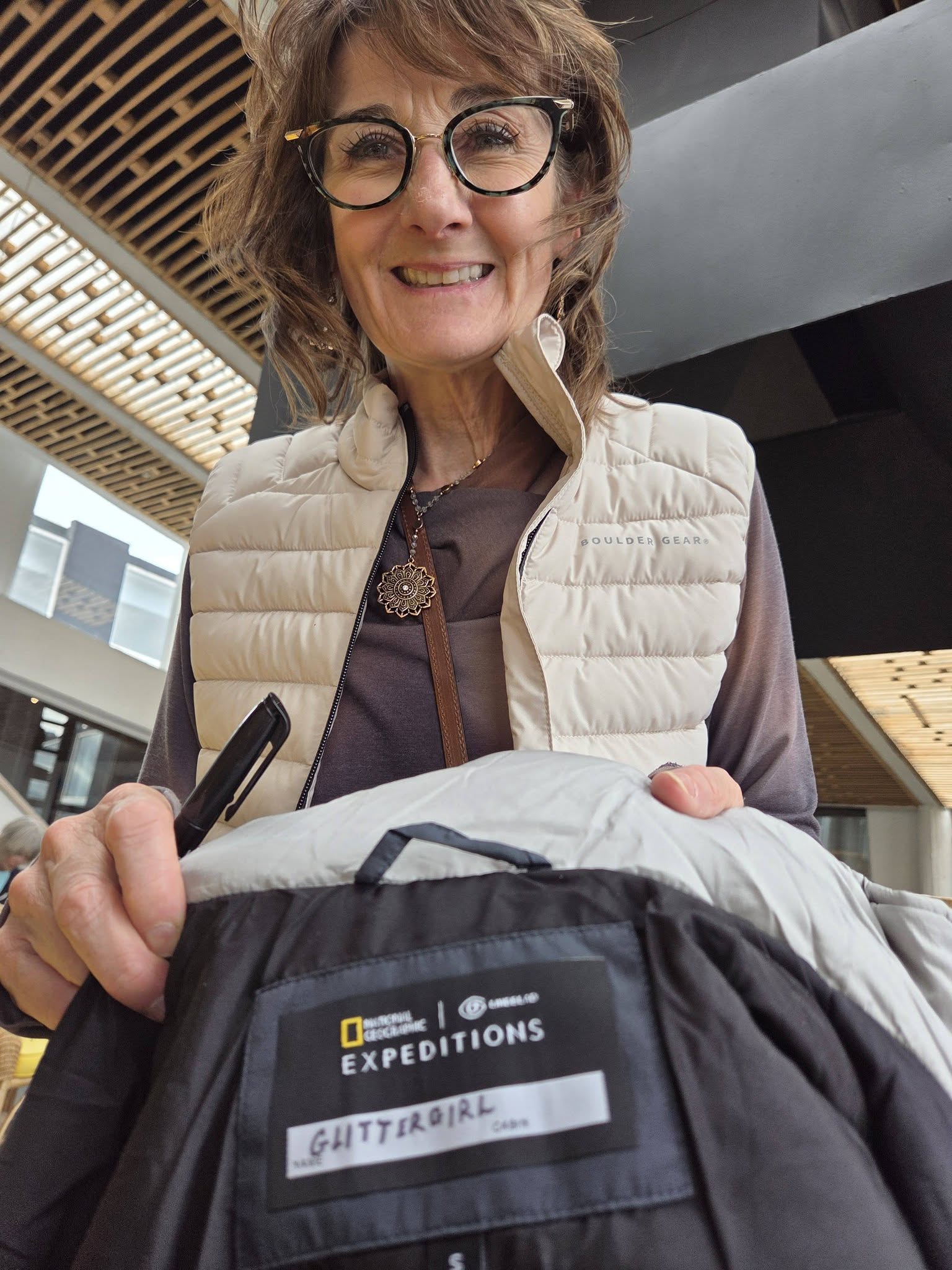
The next morning, January 27, we were told that the morning flight to the ship was canceled due to bad weather down there. Maybe we’d fly in the afternoon. Well, that didn’t happen, either. Many in the group of about 100 prospective cruisers chose an excursion to a nearby cave to keep themselves occupied, but Craig and I stayed behind to do some reading (and in my case, writing). We were told that 1-day postponements were not unusual, but Lindblad had never experienced a 2-day delay, which rumor had it would trigger cancellation of the cruise. So, we were a little concerned when we dined on this Tuesday evening.
The next morning, we were told that we would fly late that afternoon. Bags had to be out of the rooms by 11am, keys turned into the desk by noon, and then we would wait around, in full gear, for the 4pm departure.
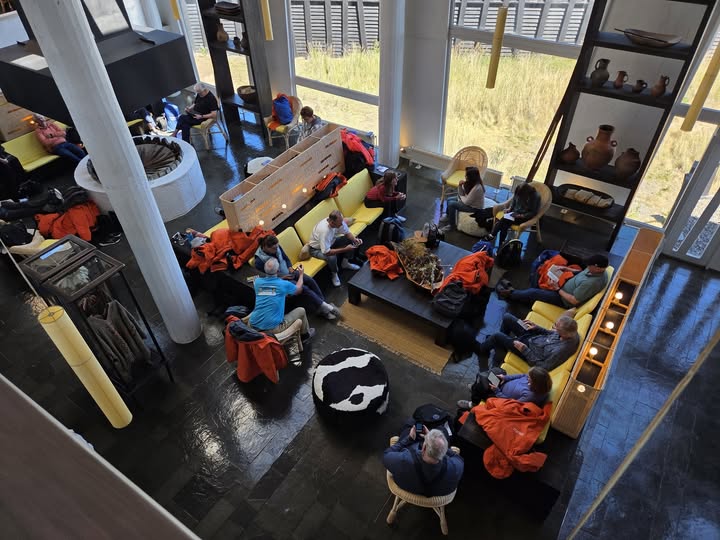
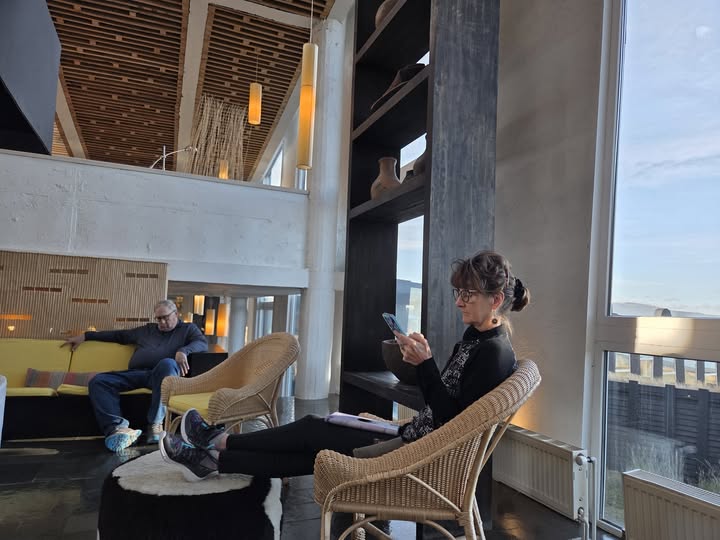
At 3pm, we were all summoned to the dining room by the Lindblad reps for an “update.” We knew it was not going to be good news, and indeed, it was what everyone dreaded: the cruise was off. The charter jets that were waiting at the airport to fly us to Antarctica would instead fly us to Santiago. When we got off the plane, we’d be on our own.
The Chilean government, which controls the King George Island airstrip, had closed it until at least Saturday. That meant two or three ships were stranded down there, unable to disembark their passengers for flights back to the mainland. High winds were the main culprit, 35-40mph and causing 30-40ft swells in the Drake Passage. We would later hear that one or two ships had attempted to cross the Drake to the mainland, but had to turn back.
What could be worse than having this cruise-of-a-lifetime canceled? Being told that we had 45 minutes to clear out of the hotel, to make room for two busloads of inbound guests. It was a pretty wild scene, with many people choosing to ditch their parkas, jackets and rain pants, which we’d already paid for. Nothing was said about refunds; the Lindblad reps said they were looking into it. Our trip insurance should cover everything, they said. Some of the erstwhile passengers said they didn’t have insurance, which we were amazed to hear, yet not entirely surprised; Sue always advises her clients to buy insurance, especially for expensive, overseas trips. But the stories she’s heard of travelers who turned down insurance to save a few bucks, and then wound up wishing they’d bought it, are many.
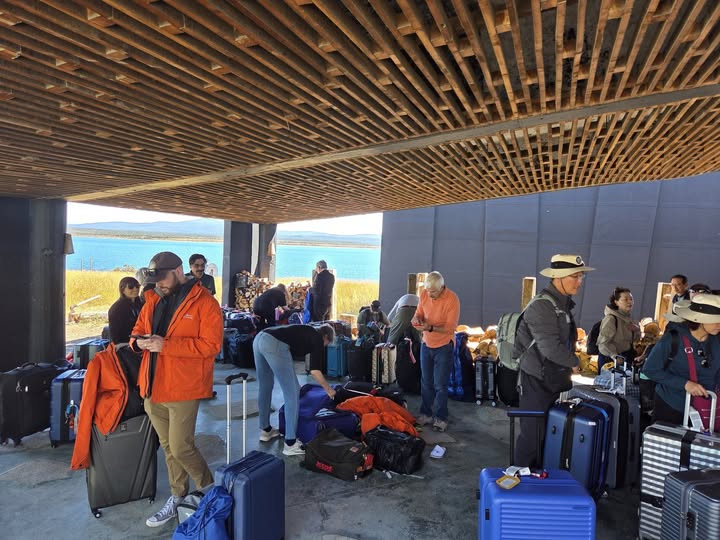
Sue went right to work, making sure our seats on the Santiago flight were secure, and then getting us rooms at the Airport Hilton for the night. She also started working on our return flights home. By the time we checked into our hotel around 10pm, a weary and frustrated bunch, she had everything just about set. We spent one final night in Chile and then hung out at the hotel and then the airport the next day till our evening flights. After a very long day of travel, we arrived home around noon CST on Friday, about 48 hours after being given the bad news in Puerto Natales.
And so, we’re home, 5 days early.
Well, what to make of all this? The spirits of our group, fortunately, weren’t too terribly dimmed by the cancellation. Some of us may make another try at the White Continent, although it may not be with Lindblad, even though we will get full refunds from them. We didn’t think they handled the whole cancellation thing very well, but to be fair, they may have not gotten the word from the Chilean government about closing the King George airspace until relatively late.
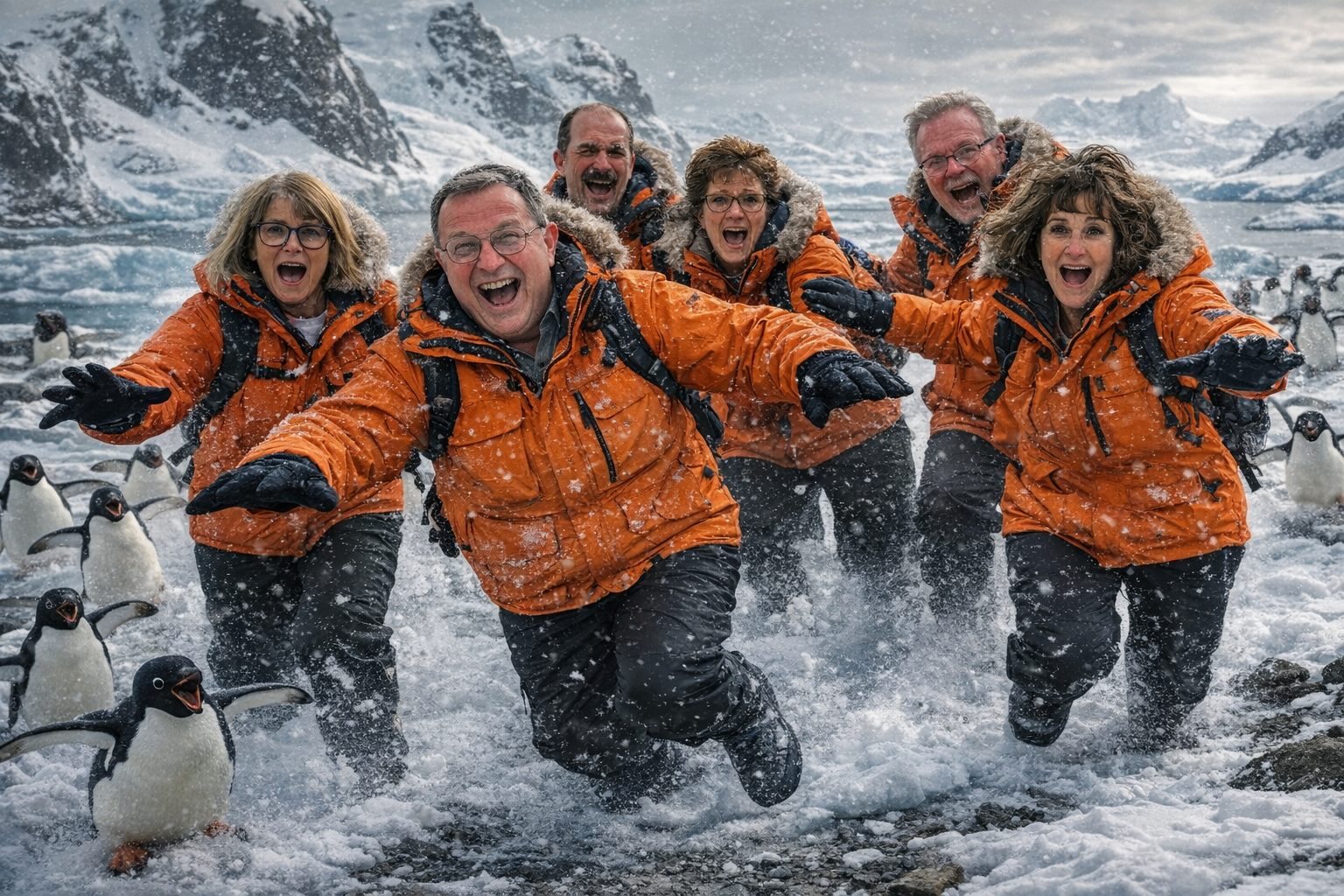
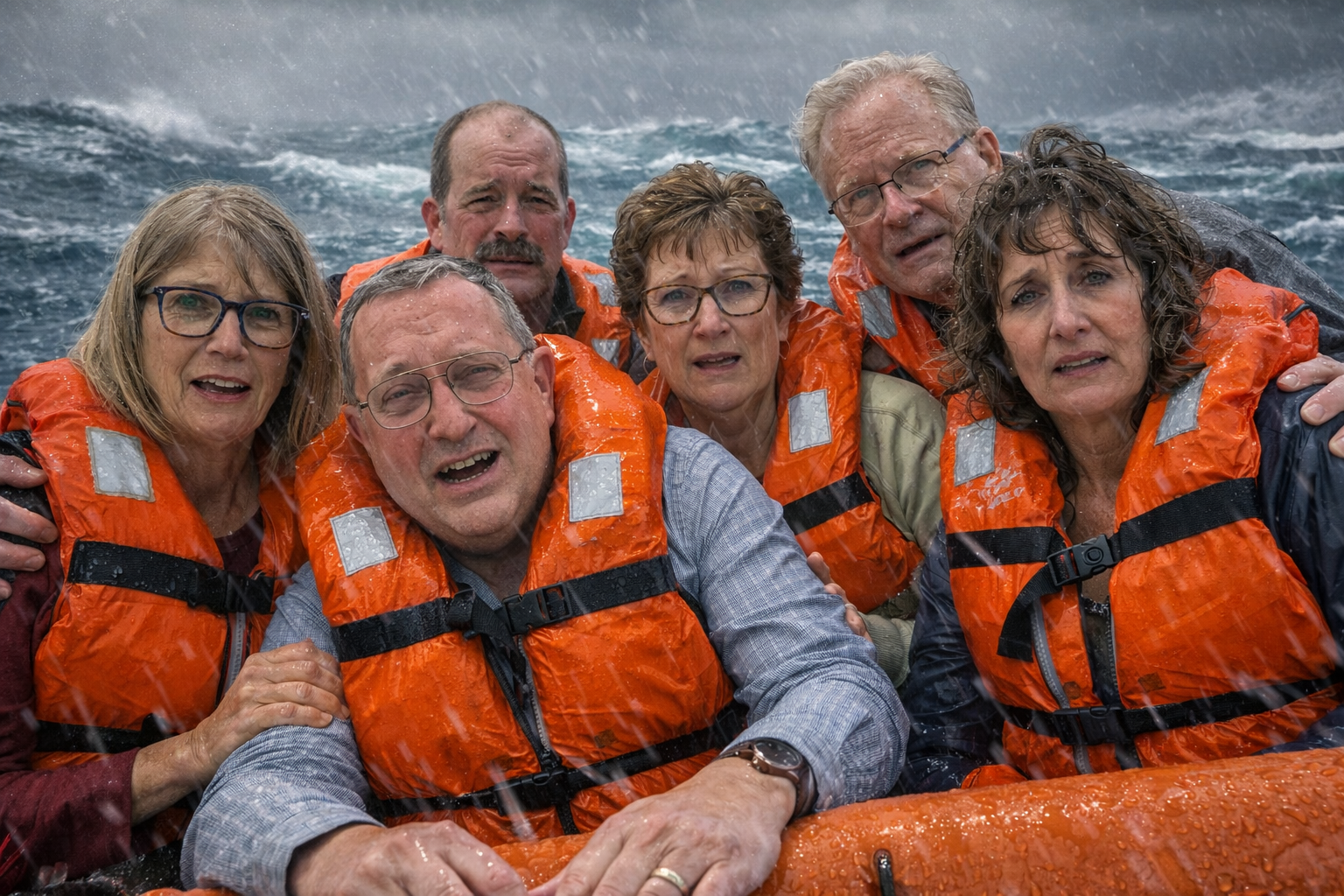
During our downtime on January 29, waiting for our Santiago-to-Atlanta flight to board, I fiddled around with ChatGPT and came up with a couple of what-might-have-beens:
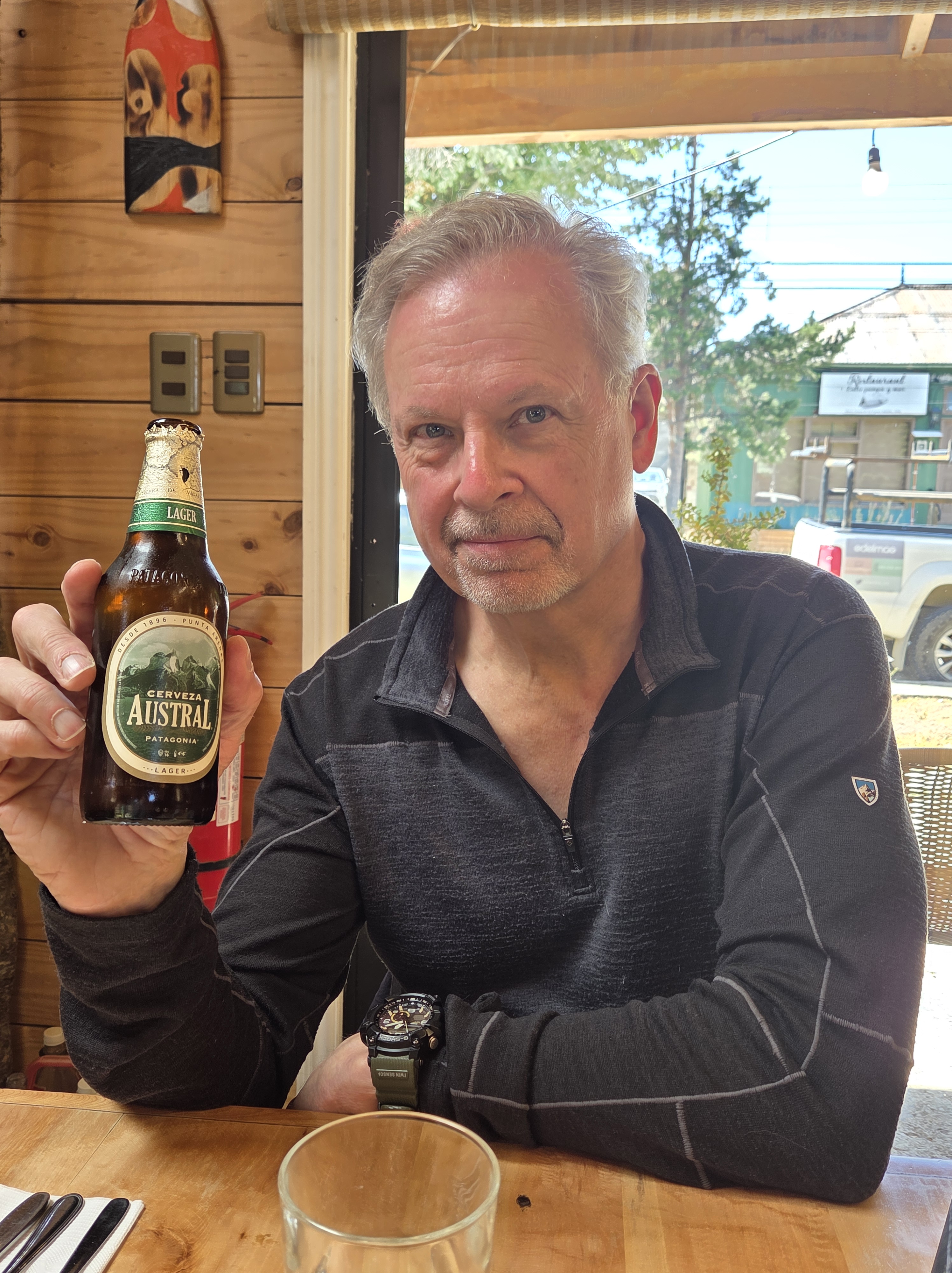
We enjoyed Chile, a beautiful country with very nice people who enjoy having Americans visit. Our service was first-rate every step of the way. The camp was great, too, although I would’ve preferred exchanging my one hiking trip for horseback riding (which the camp offers once a week; unfortunately, that would’ve been on the day we departed). Sue and I very much enjoyed our traveling companions, Rob and Lynette, Craig and Jan, and we’ll be happy to travel again with them someday.
And so, we’re back in frozen northwest Wisconsin, where Sue went back to work right away servicing her clients as well as securing our refunds. One of her colleagues is down in Puerto Natales right now with her husband, waiting for Lindblad to fly them to King George Island for a cruise on the very same ship we would’ve been on. Best of luck to them (and a big thank-you for finding the Oakley sunglasses I inadvertently left in my parka). I’ll be back on the radio a day early, this Wednesday.
Tomorrow would’ve been my father’s 91st birthday. After his retirement, he and Mom were able to travel all over the world, frequently with me and Sue. I’m sure Dad would’ve enjoyed a trip to Antarctica, and I wonder how he would’ve handled the same experience we just had. No doubt he would’ve been able to quickly put it in the proper perspective. Disappointment, sure, but thanks that we were able to do what we did in Chile, enjoying some of God’s most magnificent creation, and that we got home safe and sound. That’s the attitude I’m taking, yet another lesson from my father.

