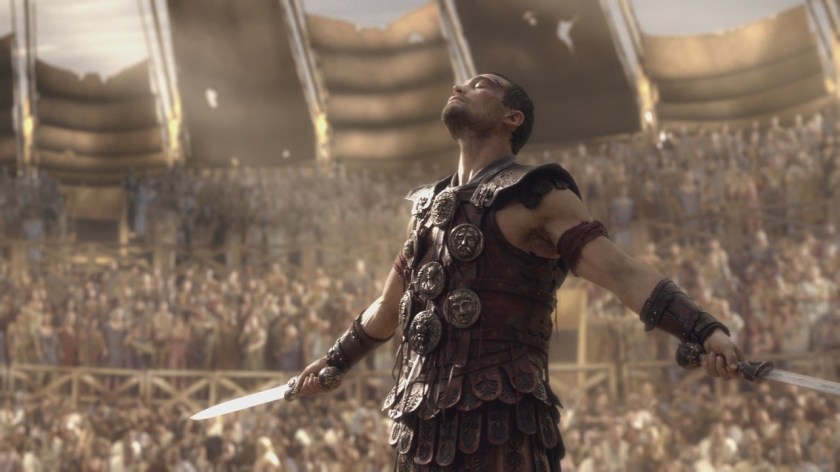
I happened to be scrolling through YouTube recently when I saw a trailer for an upcoming series on Starz, entitled Spartacus: House of Ashur. This was intriguing, because the original Spartacus series, which aired 39 episodes from 2010-13, remains one of my all-time faves.
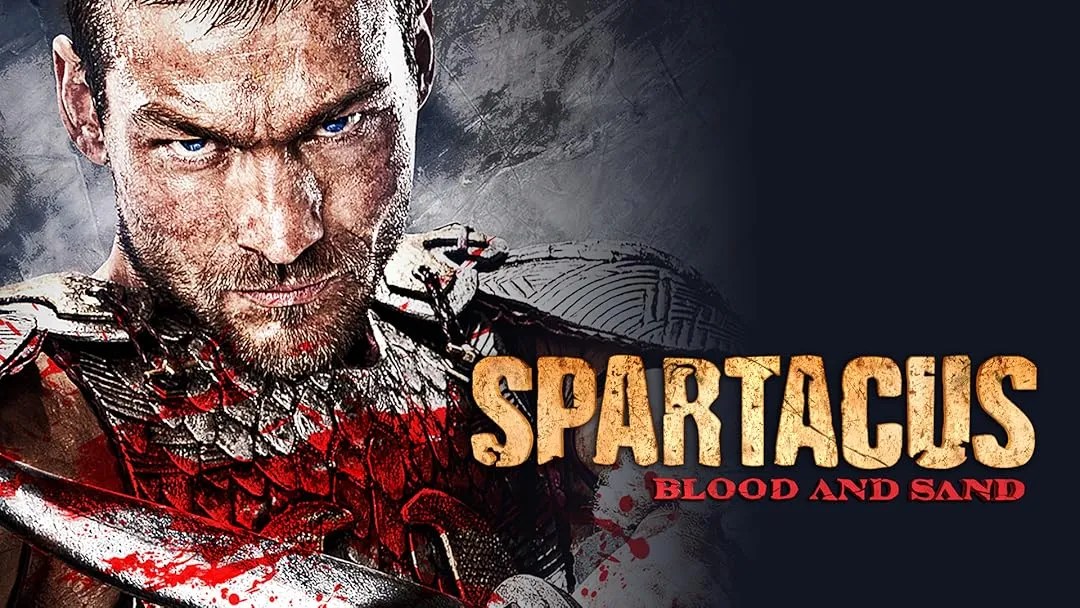
Andy Whitfield starred as a 1st-century BC warrior from the region known as Thrace (largely present-day Bulgaria) who’s captured by the Romans and sold to a gladiator school in the Italian city of Capua. There, he’s given the name Spartacus and trains to fight in the arena. Forced to fight or face certain death, he becomes not only the premier gladiator in the city, but breaks free and leads a revolt that nearly topples Rome itself.
Spartacus, of course, really did exist, and his rebellion, known as the Third Servile War, raged across Italy from 73-71 BC. He raised an army of some 70,000 former slaves and terrorized Rome until he was finally trapped and defeated in southern Italy, his plan to escape to Sicily thwarted by treacherous pirates who reneged on their deal to provide ships for transportation to the island, where Spartacus and his followers might’ve been able to hold out indefinitely. Spartacus was reportedly killed in the final showdown with the Roman legions commanded by Marcus Licinius Crassus…but his body was never identified.
It’s been over 2,000 years since then, but the legend of Spartacus has only grown. Entire revolutionary movements have adopted his name. His story has been told and retold countless times, with perhaps the most famous novel, Spartacus, published in 1951 by Howard Fast. Nine years later it was made into a movie starring Kirk Douglas and directed by Stanley Kubrick. The film won four Oscars and is considered an epic in the genre.

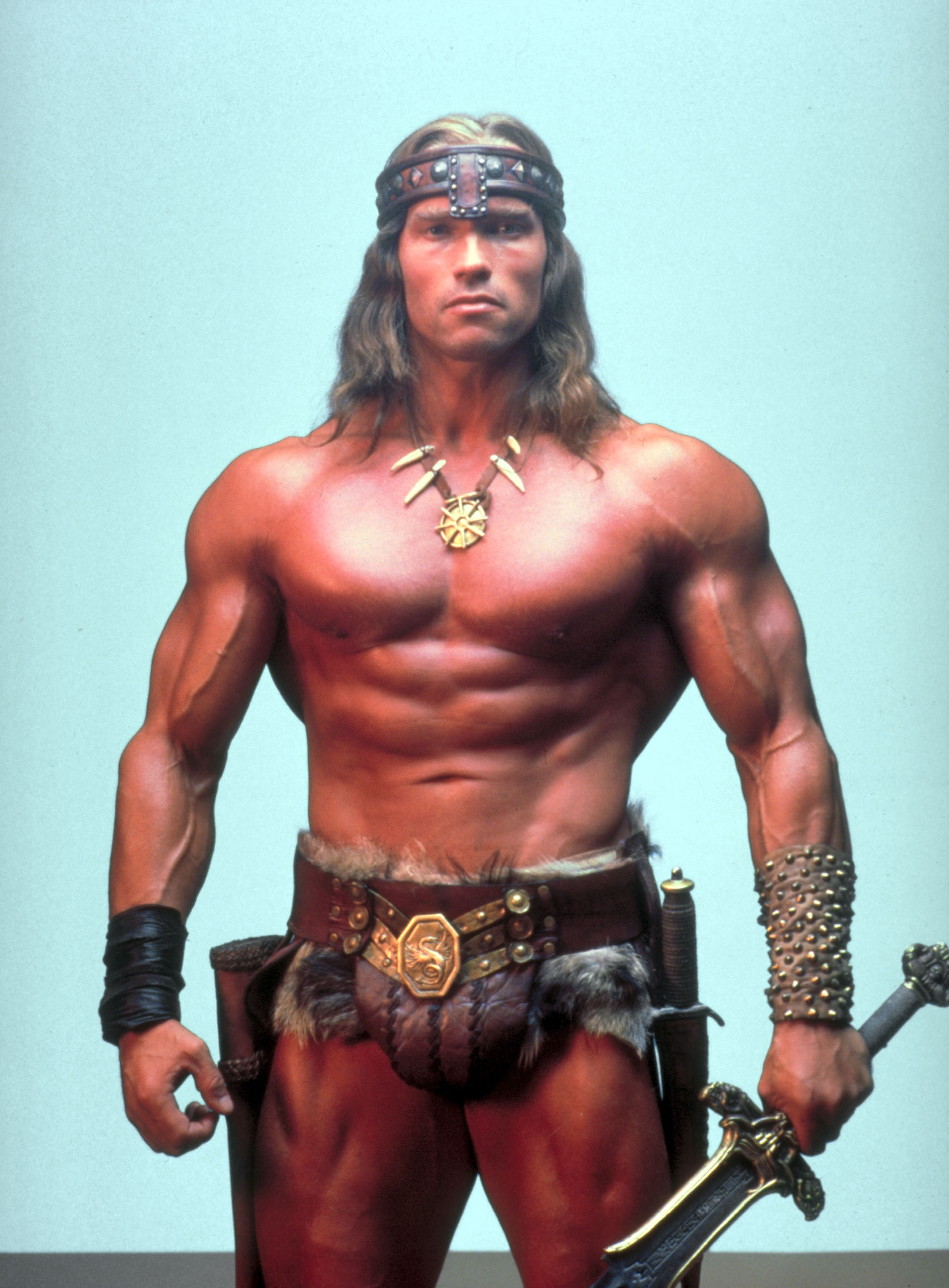
I saw the TV series some years after the movie, and was struck by the differences in how Spartacus and his fellow gladiators were portrayed. Douglas was 40 when the movie was released and plays the hero as clean-shaven with a short, 1950s-style haircut. In terms of musculature, Douglas was decent, although nothing like the various bodybuilders-turned-actors such as Steve Reeves and Reg Park, who made a slew of “sword and sandal” pictures from the 1950s into the ‘60s, usually playing Hercules. And, of course, Douglas doesn’t come close to the ultimate bodybuilder/actor, Arnold Schwarzenegger, who was at his physical peak when he played Conan the Barbarian in the early ‘80s. Park and Schwarzenegger were both in their mid-30s when they rose to film stardom, and of course Arnold eclipsed Park, Reeves and all his contemporaries with his film and political careers.

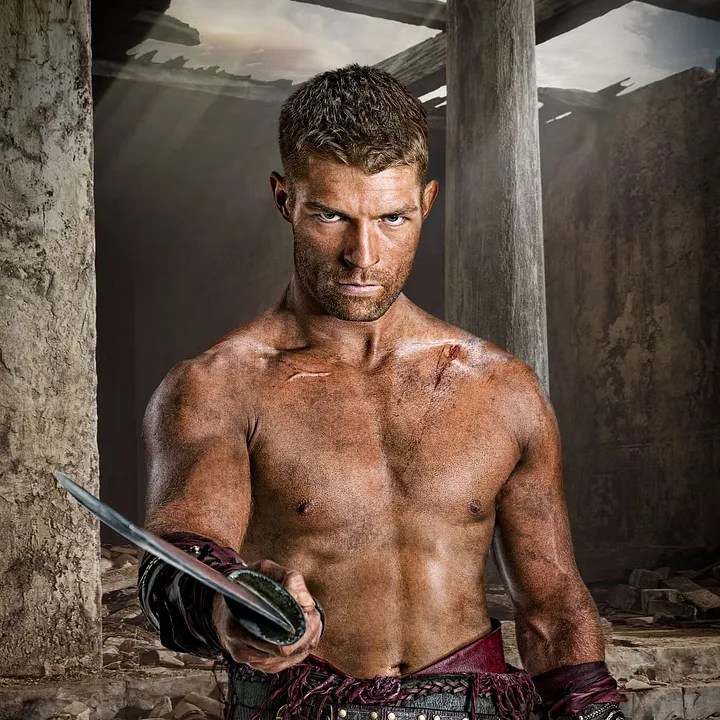
Whitfield, a Welshman who was nearly the same age as Douglas when he took on the role, was definitely no Park or Schwarzenegger, but he wasn’t exactly chubby. He was, tragically, doomed to die of cancer in 2011. His illness forced the producers to film a prequel season, subtitled Gods of the Arena, to air in place of the scheduled second season. In 2012, Spartacus returned in Vengeance, now played by a 30-year-old Australian, Liam McIntyre, who was awarded the role with Whitfield’s blessing.
Season 3, War of the Damned, addresses one of the great mysteries of the legend: why didn’t Spartacus escape Italy, going over the Alps to what is now France and Germany? Roman influence hadn’t spread that far into those regions at the time, and there’s a good chance he could have lived out his life and found some sense of peace and happiness. I won’t say how the series took on this question, but it’s plausible. Another version is offered by the Irish author Ben Kane in his two-book series on Spartacus. Kane’s work is top-notch, as is his other books about the Roman and medieval European worlds.

There were significant differences in how Roman society and its gladiators were depicted in the Douglas film and the TV series half a century later. In the Whitfield/McIntyre series, ancient Capua was dirty, corrupt and venal, with political and economic power consolidated in the hands of a few elites. The gladiators fought to stay alive, with the faint hope that someday they would rise so high in their profession that they would be granted their freedom. And of course, the modern-day TV series wasn’t shy about showing plenty of skin, both male and female, with sex scenes that bordered on gratuitous but somehow seemed to stay just this side of the line.
I found the depiction of the gladiator school especially interesting. As run by Quintus Lentulus Batiatus, an actual historical figure, the ludus reminded me of a modern-day MMA training school. You won’t find instructors with whips today, nor will the trainees be chained to their cots at night, but there were many similarities, from training methods employed by Batiatus’ instructor, the “doctore,” to the business side of the school, as we often see Batiatus negotiating with other ludus owners and with politicians and businessmen about putting on a show featuring his gladiators. Assisting Batiatus on that side is a former gladiator, Ashur, a Syrian who’d suffered an injury that forced his retirement from the arena, but whose natural business acumen and gift with numbers caused the owner to keep him on as his accountant and negotiator.
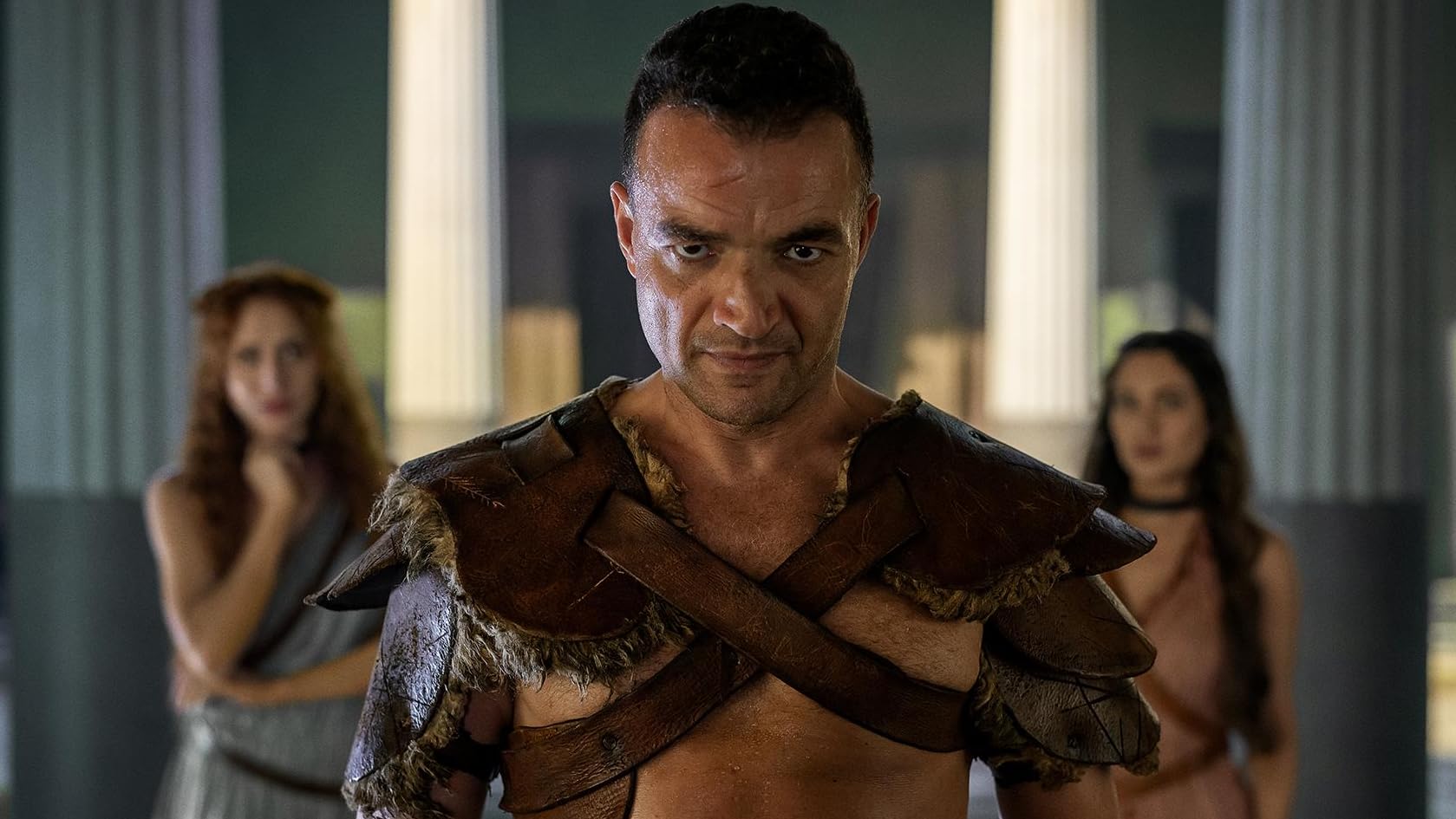
And it is the character of Ashur, played by Lebanese-born Nick E. Tarabay, who returns as the star of the new show, which premieres this winter. In the original series, Ashur was killed at the end of Season 2, subtitled Vengeance, so apparently the producers of the new series decided to “retcon” the character (a popular gimmick in superhero comics) and make Ashur the central character. Will he be a good guy, or once again a villain? We’ll see.
In any event, I expect to be watching this show solo, as my wife Sue was never a fan of the original series. I do recall a few times when I was watching an episode up in our family room, with Sue working on her computer at the desk behind me. The keys would be going tap-tap-tap…until a scene showed the gladiators in the bath, in all their muscular (and anatomical) glory. No tapping from behind me. Next scene, tap-tap-tap. In fairness, there were just as many female naughty bits on display, starting with Lucy Lawless, who played Batiatus’ wife Lucretia, and I had to force myself to put all that in the context of the story.
We’ll see what happens in the new series. The trailer certainly looks good: Spartacus: House of Ashur. Maybe this time, Ashur will be the hero, or there might be a brand-new character who rises. That’s the great thing about playing fast and loose with history; in fiction, you can make it into anything you want.
 A Strenuous Writer's Life