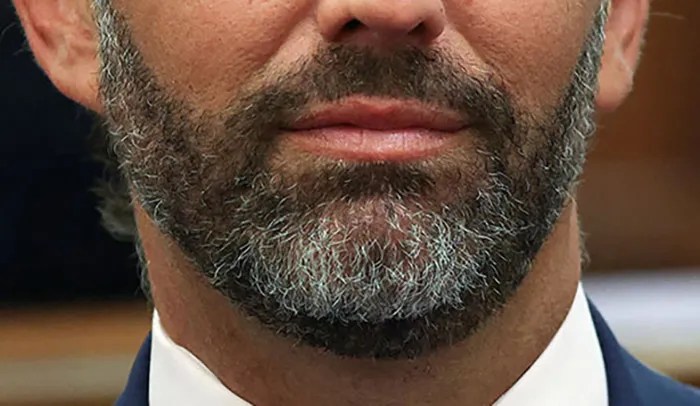
That is the question, it seems, in American politics these days. And it’s all J.D. Vance’s fault. He’s the Vice President of the United States–just a heartbeat away from the big job, as they say–and he happens to have facial hair. This had not been seen on an American VP since…well, I had to look it up.
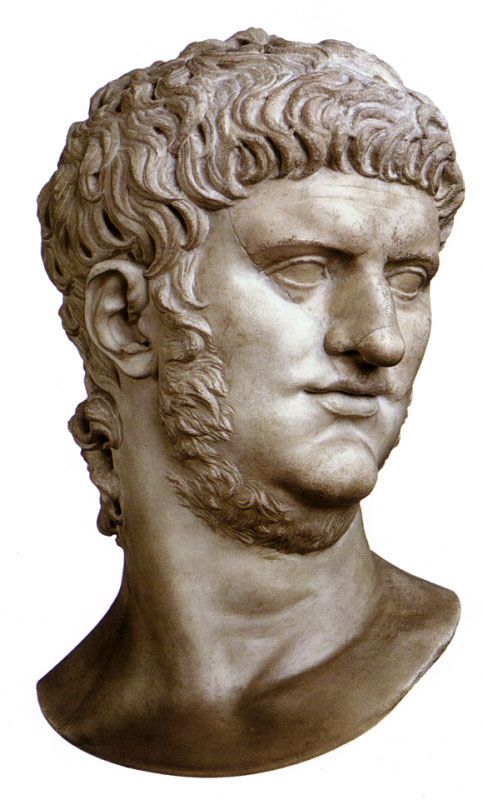
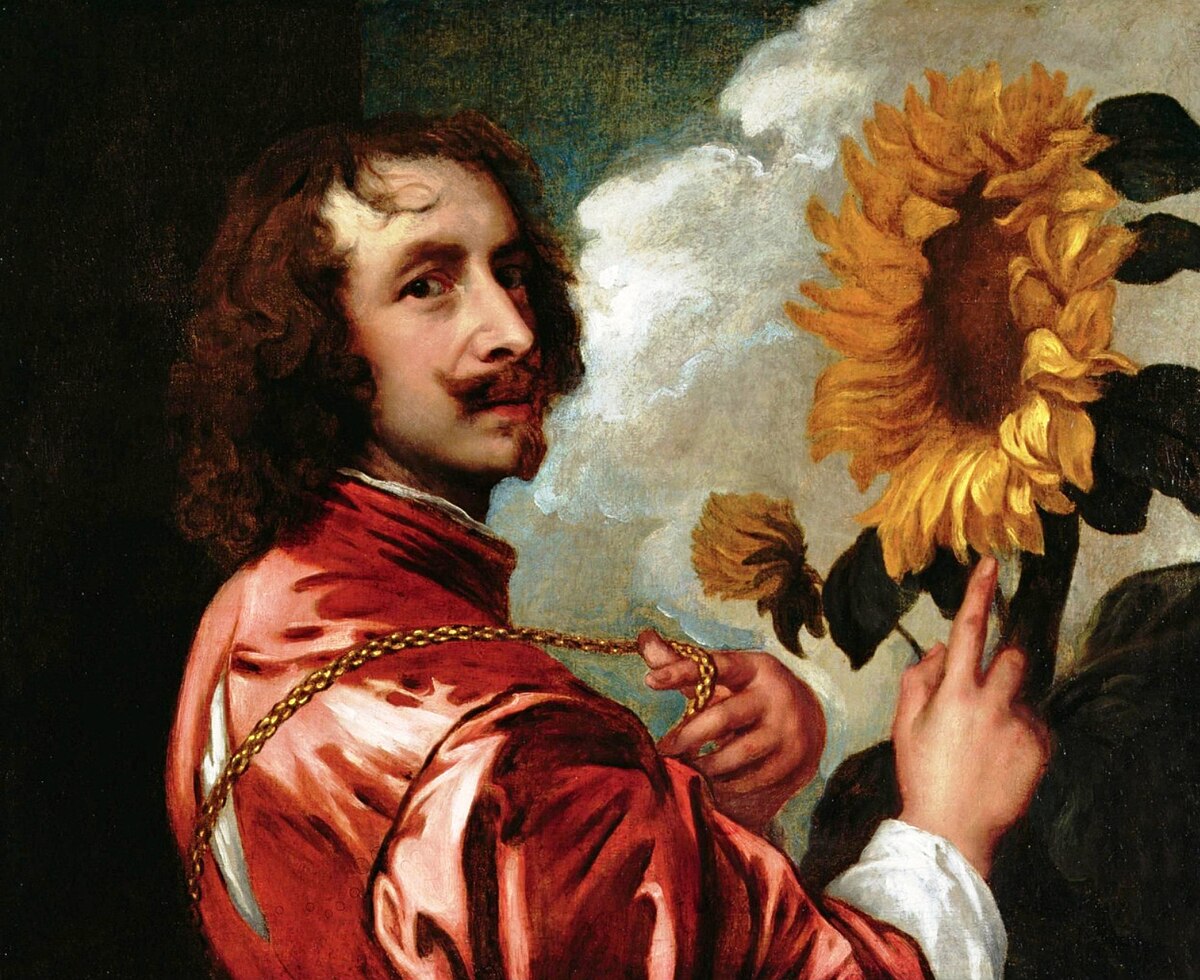
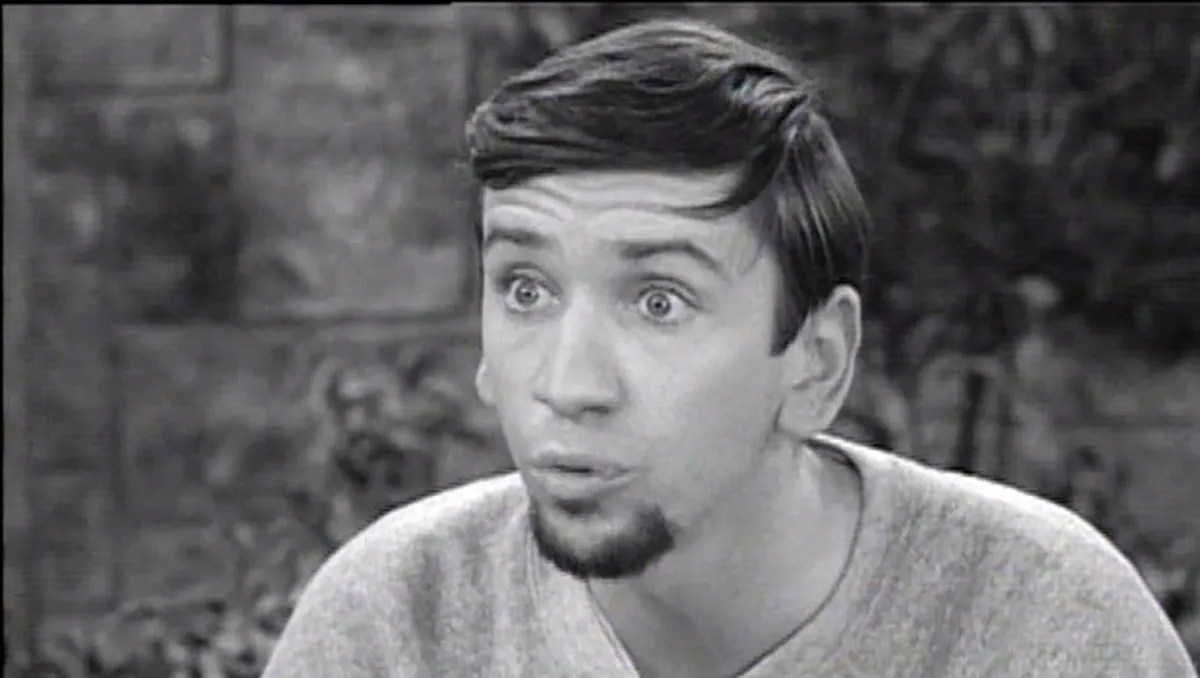
I was thinking about this the other day as I trimmed my own beard. I don’t have a full one, which is to say, hair all over the jawline and throat, as well as over the lip. For some years now I’ve sported what is called a “goatee.” According to the Beard Club (yes, there is such a thing), a goatee is “a small trimmed beard on a man’s chin, often featuring a tuft of hair and a mustache.” The name comes from the tuft of hair on the chin of a goat. At one time, this style of facial hair was known as a “Van Dyke,” after the 17th-century Flemish painter Anthony van Dyck, but the style goes back to ancient Greece and Rome.
Like a lot of high school guys in the mid-1970s, I tried to grow a mustache. Facial hair, which had not been considered stylish outside of the beatnik fringe since World War II, was making a comeback with the wild and wooly ’70s. By the time I was a senior, virtually every guy on the basketball team had (or tried to have) a beard and/or ‘stache. And our hair was long, of course. Our coach, who had longish hair and a pretty awesome mustache himself, told us we could go the hirsute route as long as we didn’t let the hair get in our eyes, so a few of the guys wore headbands, which at the time was even more rebellious. In fact, I recall now that at the start of the season, all us players–I was co-captain, along with Mark Bode, another senior–vowed not to shave until we lost a game. We started practice around November 1st and didn’t lose till early January, so we were a pretty hairy bunch by then. But we were winning, so the hair was tolerated. I didn’t go the full-beard route, but by mid-season I had a fairly respectable high school mustache.
And now, half a century later, I still have the mustache. In my mid-30s, I added the goatee. I well remember first showing it to my daughter, Kim, when she was about 12. “Daddy, you’ve got a goaty!” she said. I corrected her pronunciation, and years later she wound up marrying a guy who rocked a full handlebar mustache (although he’s since toned it down a little).
The bewhiskered chief executives…and their backups.
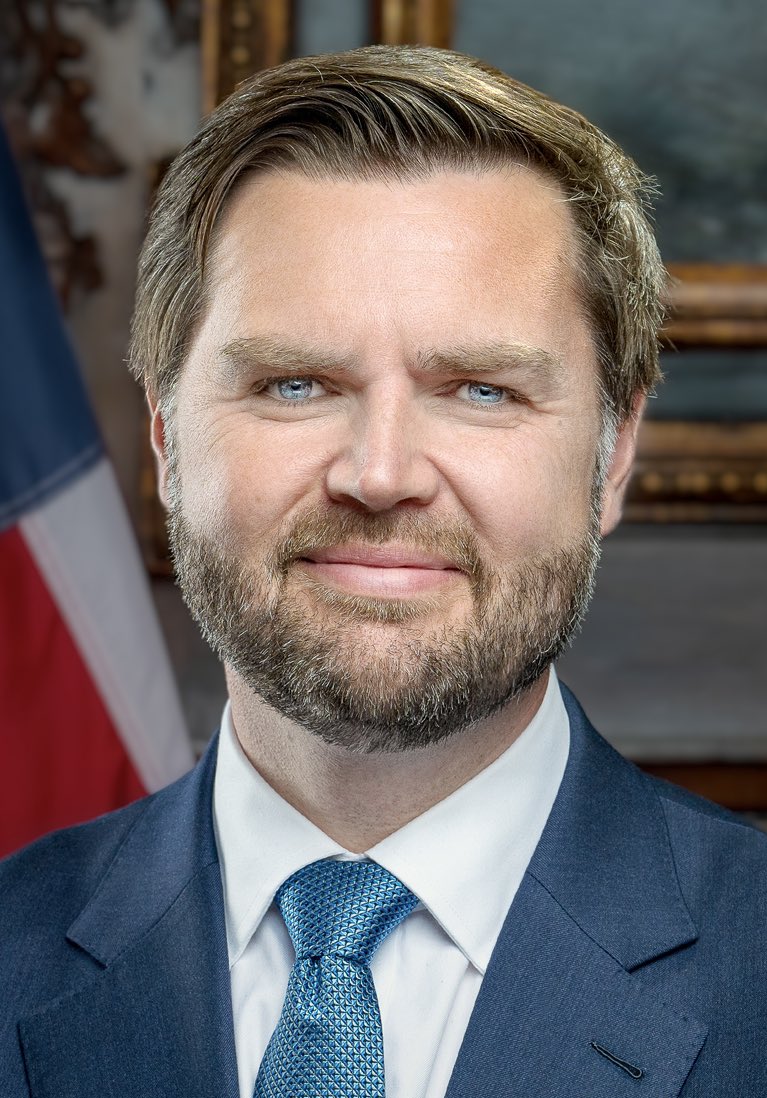
Back to J.D. Vance. Many were surprised last summer when former President Donald Trump, a shoo-in for the Republican nomination, picked the young Ohio senator as his running mate. Vance, who turned 40 during the campaign, had sported a full beard for years. This did not sit well with many liberals. Politico magazine ran a piece that noted beards had supposedly been considered “unprofessional and unhygienic” for many years, and even implied that Vance’s beard carried negative connotations like “aggression and less support of feminist issues.” Other writers said Vance’s whiskers carried a whiff of “toxic masculinity.”
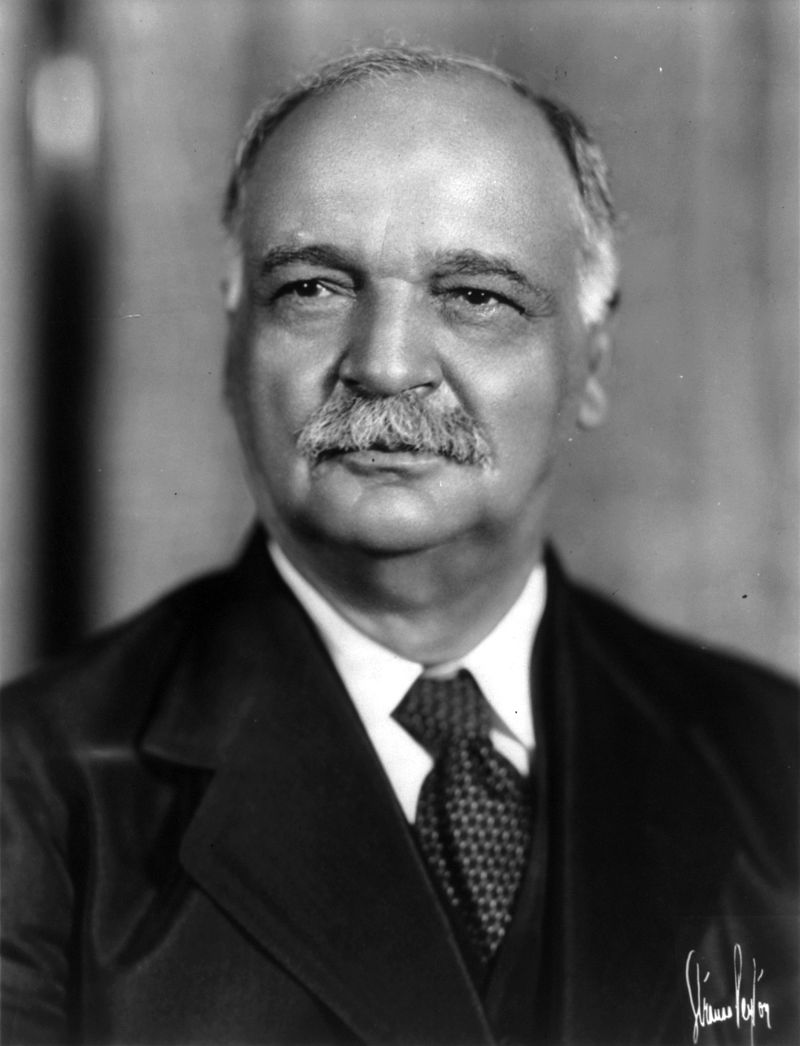
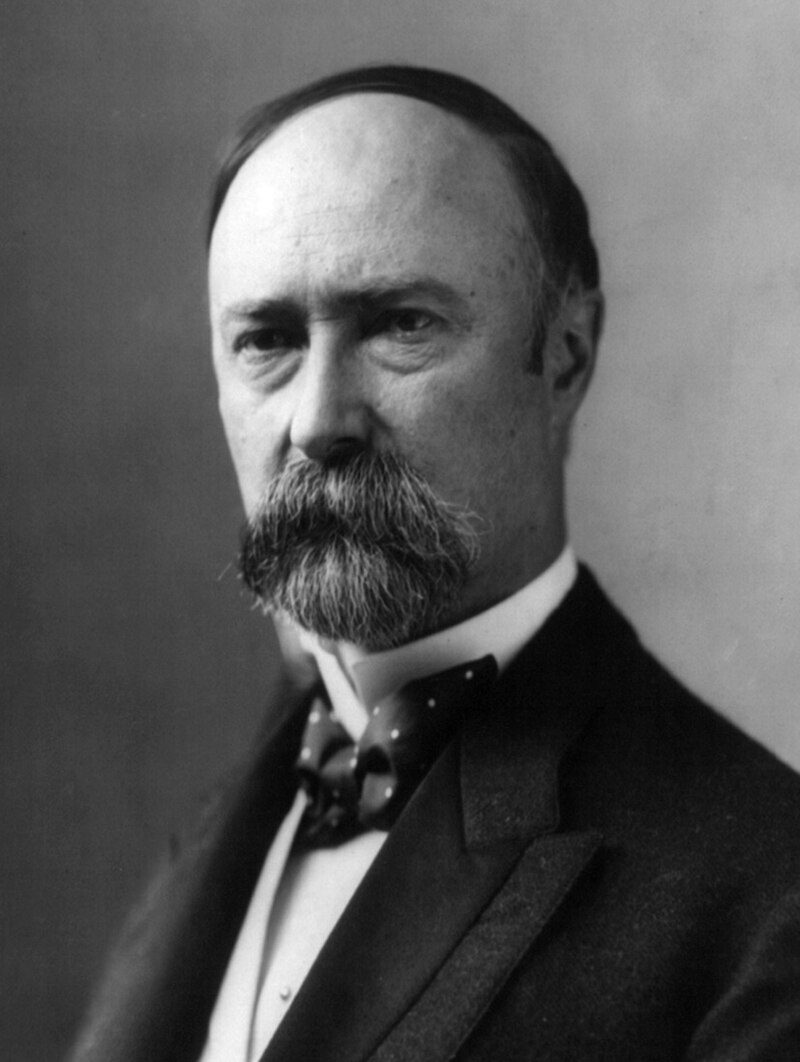
A majority of voters, as it turned out, disagreed with that assessment. Or, more likely, they just didn’t care about Vance’s beard. When he was sworn into office last January, Vance, our 50th vice president, became the first VP to sport facial hair since Charles Curtis, the 31st, who served under Herbert Hoover from 1929-33. Curtis had a mustache; to get the full-bearded Vance look, you have to go back further, to Charles W. Fairbanks (#26, 1905-09 as Theodore Roosevelt’s VP). Since Fairbanks had what could be termed a rather full goatee (or Van Dyke), let’s keep going back and find one with a full beard. That takes us to Schuyler Colfax (#17, 1869-73, under Ulysses Grant). But wait! Colfax had the Lincoln look: a beard, but no mustache. The 16 men who preceded him in the office were all clean-shaven. That means J.D. Vance is the first vice president to have what is truly a full beard. Although I haven’t checked this part out, I think he’s also the youngest, beating Dan Quayle (#44, 1989-93 under George Bush) by a year. Roosevelt was just past his 42nd birthday when he was elected on William McKinley’s ticket in 1900; a year later, he became our youngest president ever when McKinley was assassinated.
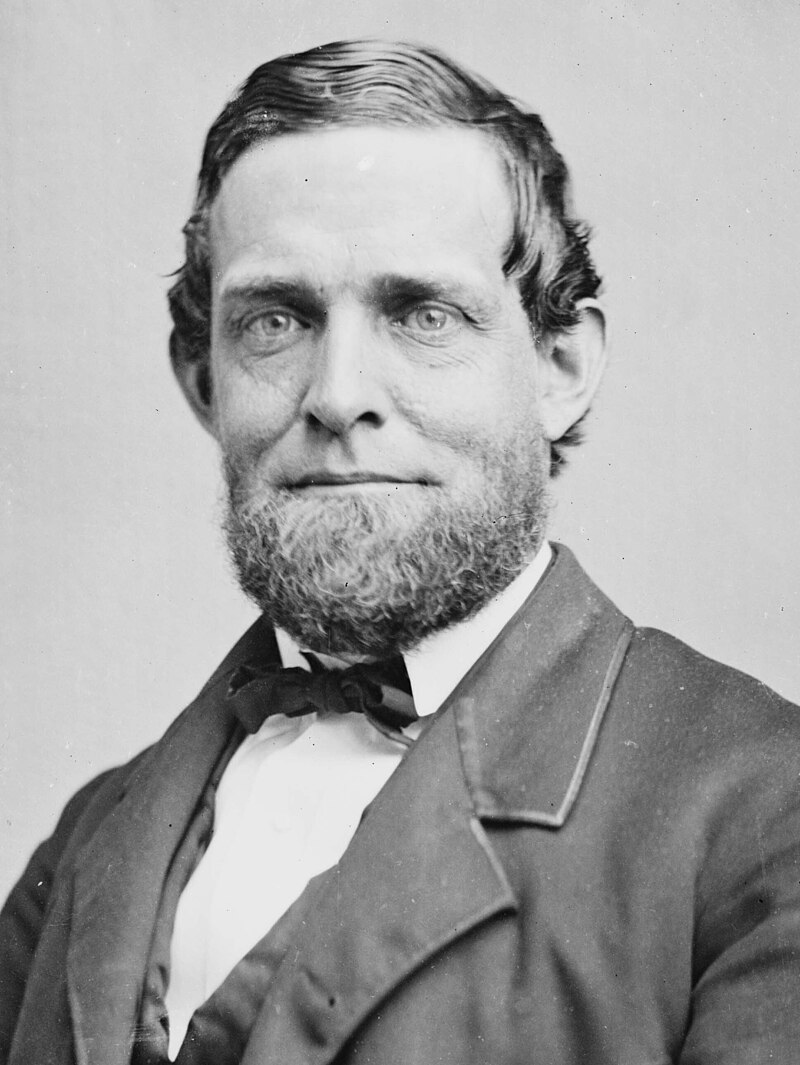
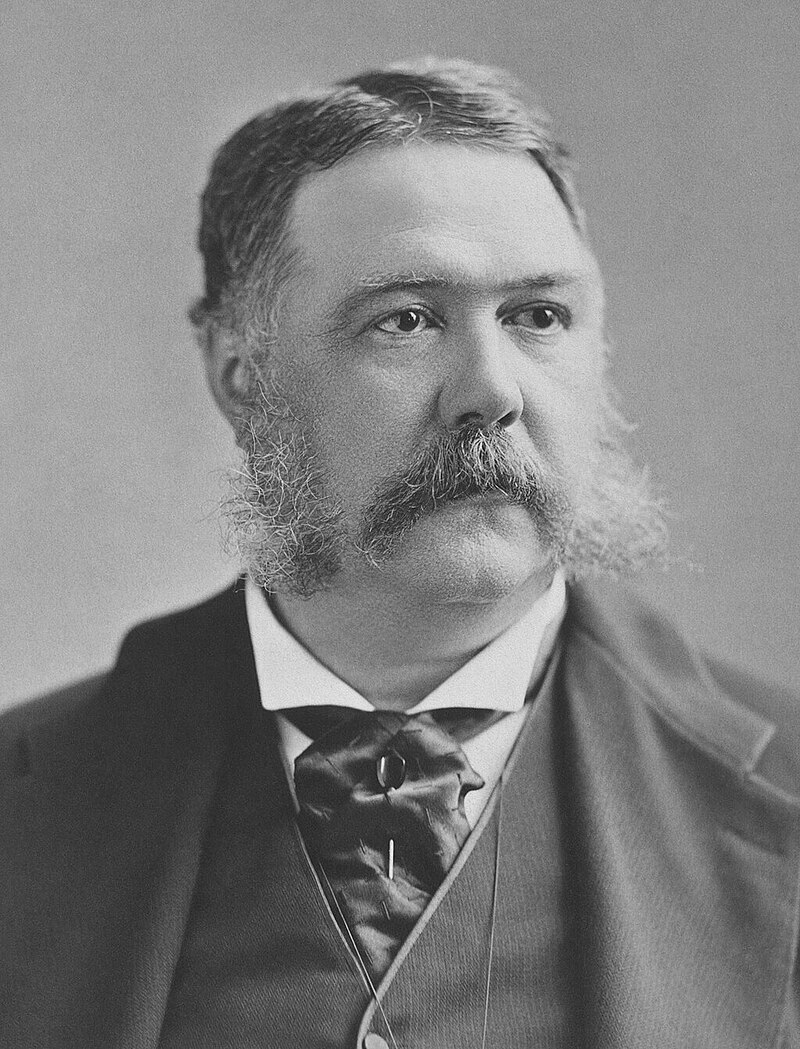
The Vance look is suddenly trendy among liberals.
This should be no surprise, but it now looks like Democrats have changed their minds about facial hair. A year after Vance’s look was equated with toxic masculinity, Pete Buttigieg, a Democrat who served as Secretary of Transportation under Joe Biden (2021-25), has himself a beard and mustache. Buttigieg is considered one of the top contenders for the Democratic nomination in 2028, and all of a sudden, beards are cool again.
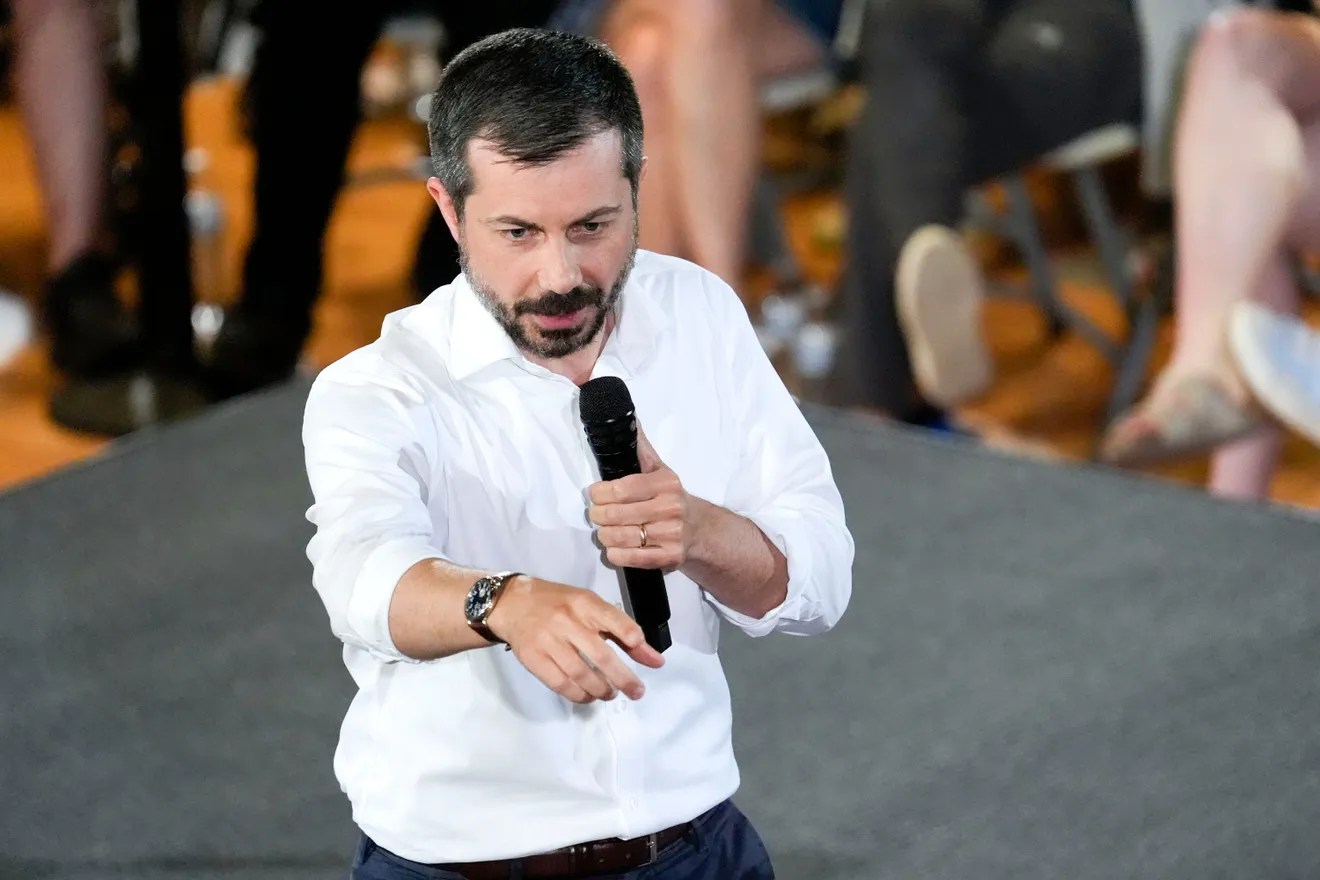
It’s not likely that Buttigieg woke up one morning and just decided not to shave that day, or the next, or the next. Politicians, especially those with presidential aspirations, never do anything without consulting their advisors and maybe taking a poll or two. Republicans made huge gains among men in last year’s election, and what better way for a man to show his masculinity–non-toxic, of course–than to grow a beard? Women can’t do that, after all. (Not yet, anyway.) Desperate to convince men they’re okay to vote for, Democrats have decided to spend $20 million, says The New York Times, on a study called “Speaking with American Men.” Since their strategy last year didn’t work–Minnesota Gov. Tim Walz, their VP candidate, has said Kamala Harris wanted him on her ticket because he could supposedly “code talk” with white men–the party is trying to find another way to reach men, especially those under 50, it seems. (Buttigieg is 43, by the way.)
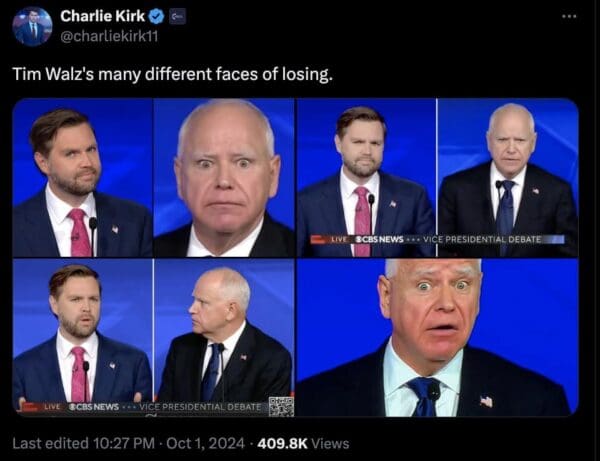
You have to wonder what might be next. If we have a female presidential candidate, will she announce that she’s no longer shaving her legs or armpits? After all, women never used to do that. That sounds silly, I know; like most husbands (I hope), I’d file a vigorous protest if Sue ever went that route. But I really don’t think most people care about Vance’s facial hair choices. When he debated Walz during last year’s campaign, nobody talked afterward about his beard vs. Walz’s clean-shaven look. The consensus was that if Walz was indeed “code-talking” to men, they weren’t listening to him; Vance was declared the debate winner by most observers, even liberals. Politico called him “polished” and credited him for “knowing when to turn up the heat…he can turn on the charm, too.”
Early polling indicates Vance is the favorite for the Republican nomination in 2028. He’ll only be 44 at the time of the next election, and his first few months in office have elevated his profile among voters even more. They appear to like what they’re seeing, according to most reports. Time will tell, of course; the next presidential race really won’t start heating up till 2027, after the mid-term elections of ’26, which might shift the balance of power in Congress back to the Democrats and give the party momentum to retake the White House. Either way, don’t expect Vance to be shaving his beard off anytime soon. His wife apparently likes it, and the couple is known for being stylish but not flamboyant: JD and Usha Vance.
If Vance runs in ’28, will I vote for him? That remains to be seen. Whether or not he still has his beard won’t make a difference, although I hope he keeps it. It looks good on him. Sometimes, facial hair doesn’t work on a man, although I’ve seen very few who can’t even do a decent mustache. We can’t all be Tom Selleck or Sam Elliott, or even J.D. Vance, but we can do our best. I happen to think that healthy masculinity is anything but toxic, and a well-trimmed beard or mustache can give a man a solid, masculine look. Just make sure not to ruin it by wearing a 20-year-old tee shirt in public, even if it’s still your favorite.

