Originally published in The Chronotype.
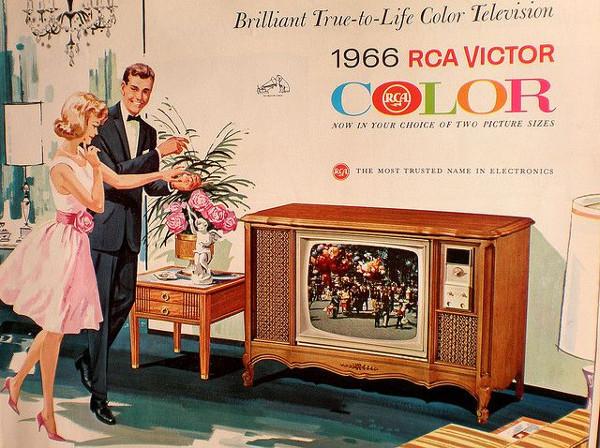
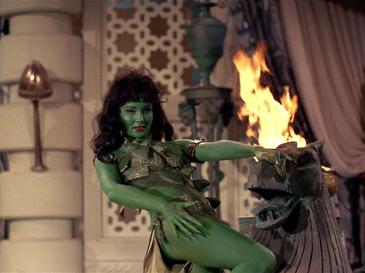
It was Thanksgiving Day in 1966. We dined at my maternal grandparents’ house in Platteville, then went to Aunt Florence’s across town for the evening with Dad’s side. After yet more food, the grown-ups set up the card tables for the traditional euchre tournament. The kids, including 10-year-old me, gathered in front of Uncle Bob’s new color TV. Star Trek was on, and the episode was the one featuring the Orion slave girl, and she was green and she was dancing.
This was definitely not Lost in Space.
Uncle Bob was the second of Dad’s family to get a color TV. Grampa Tindell was the first, providing another reason to visit their tidy little house on Saturday mornings. It would be another year before my folks got one, after Dad sold our boat. Living in a Milwaukee suburb by then, we had no need for a boat, but we sure wanted that color TV.
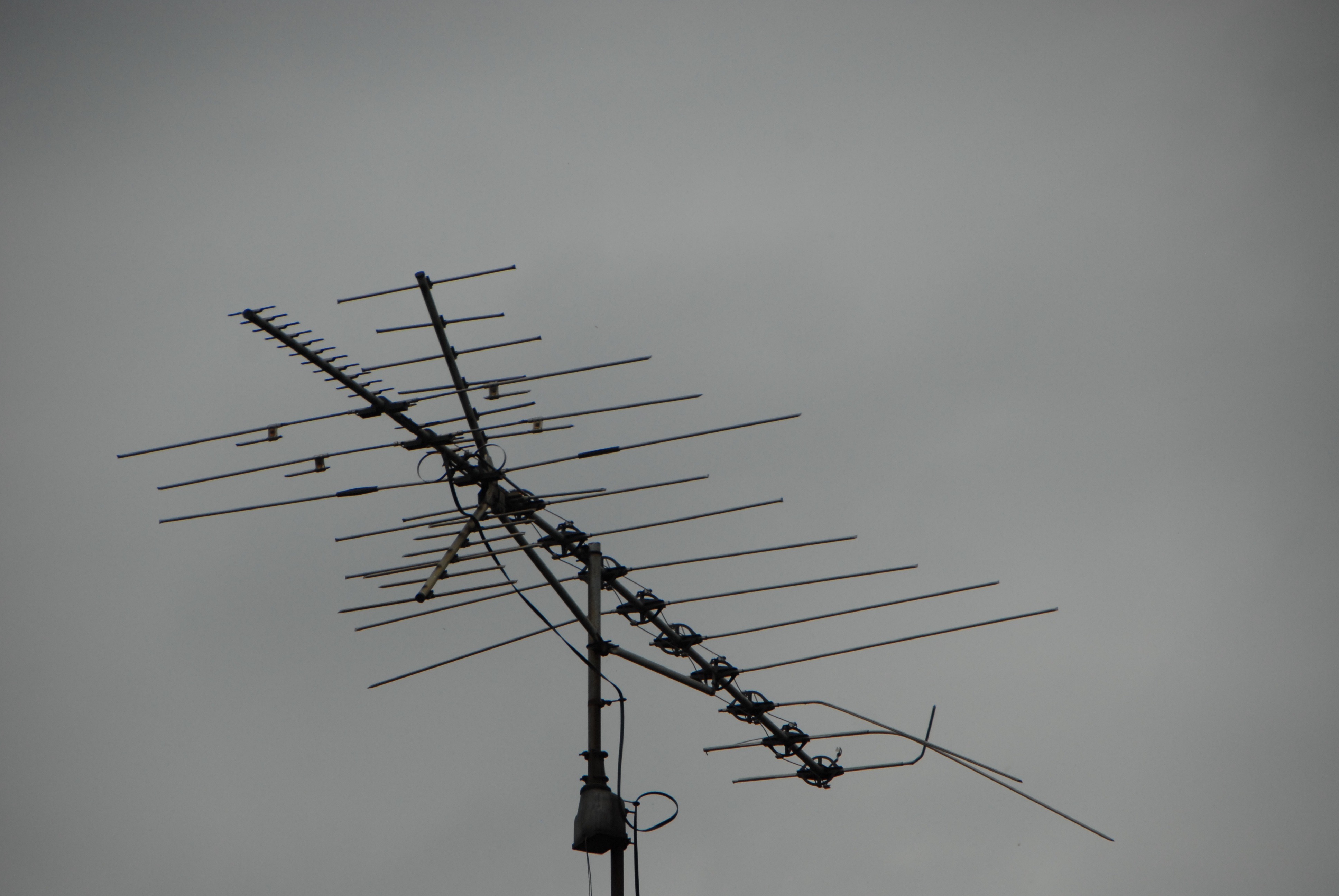
A year later, in our new house in Potosi, Dad put an antenna on the roof. Pointed to the east, we got three stations from Madison. To the west, three from Iowa. In the winter the antenna would freeze, so we made sure it was pointed east, ensuring we’d get the Packers and Bucks games. Our set even had a remote control: Dad would say, “David, change it to channel 3.” Later, we added a UHF antenna, sitting in the loft in our garage. To adjust it, I’d stand on a ladder as Mom, in the kitchen, relayed instructions from Dad in the living room, fussing with it till the one UHF station from Dubuque came in relatively clear.
When Sue and I moved into our house on the lake up here in 1994, there was no antenna, no cable, just a rabbit-ear set on our TV that got in one, maybe two Eau Claire stations, barely. Six months later, the first DirecTV dishes hit the market. We got ours the day before Thanksgiving. Twenty-eight years after that night at Uncle Bob’s, Sue got up on our roof and attached the dish to our chimney. In the living room, I pressed the buttons and we suddenly had a crystal-clear picture, ten minutes before the Packers kicked off.
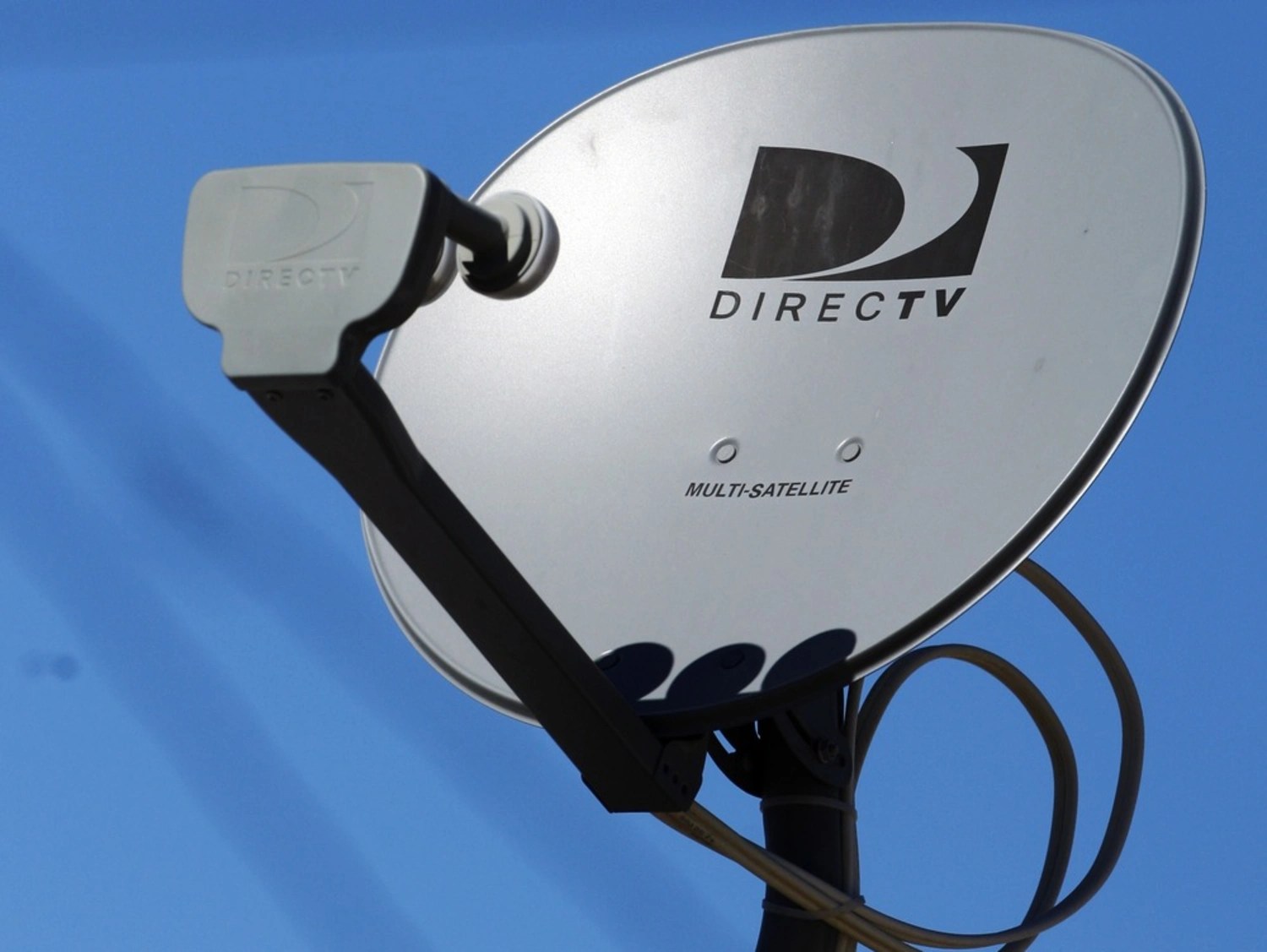
The dish is now on our upstairs balcony, but it no longer brings in a signal from a satellite 22,236 miles from Earth. That’s so late-20th-century. Last Thanksgiving, 59 years after that night at Uncle Bob’s, we switched over to DirecTV’s streaming service. We’d had other streamers for a while—Netflix, Paramount+, the usual suspects—so why not go all the way? Plus, it was half the cost of the dish service. The transition was seamless, the picture and sound quality superb, the choices endless.
Star Trek was prescient in many ways. Much of the science depicted as fiction on the 23rd-century USS Enterprise is now fact, 200 years early. Tablet computers, AI that creates lifelike characters, pocket-sized communicators. (Ours are even better than Kirk’s were, or will be.) We don’t yet have teleportation or faster-than-light starships, but we do have energy weapons. The US Navy will be installing them on their new battleships. We’re a long way from achieving the zero-poverty, no-money altruistic society that the show predicted would exist by then, but on the other hand, we don’t have to deal with Klingons or the Borg, either. We have enough trouble with the adversaries we face on Earth.
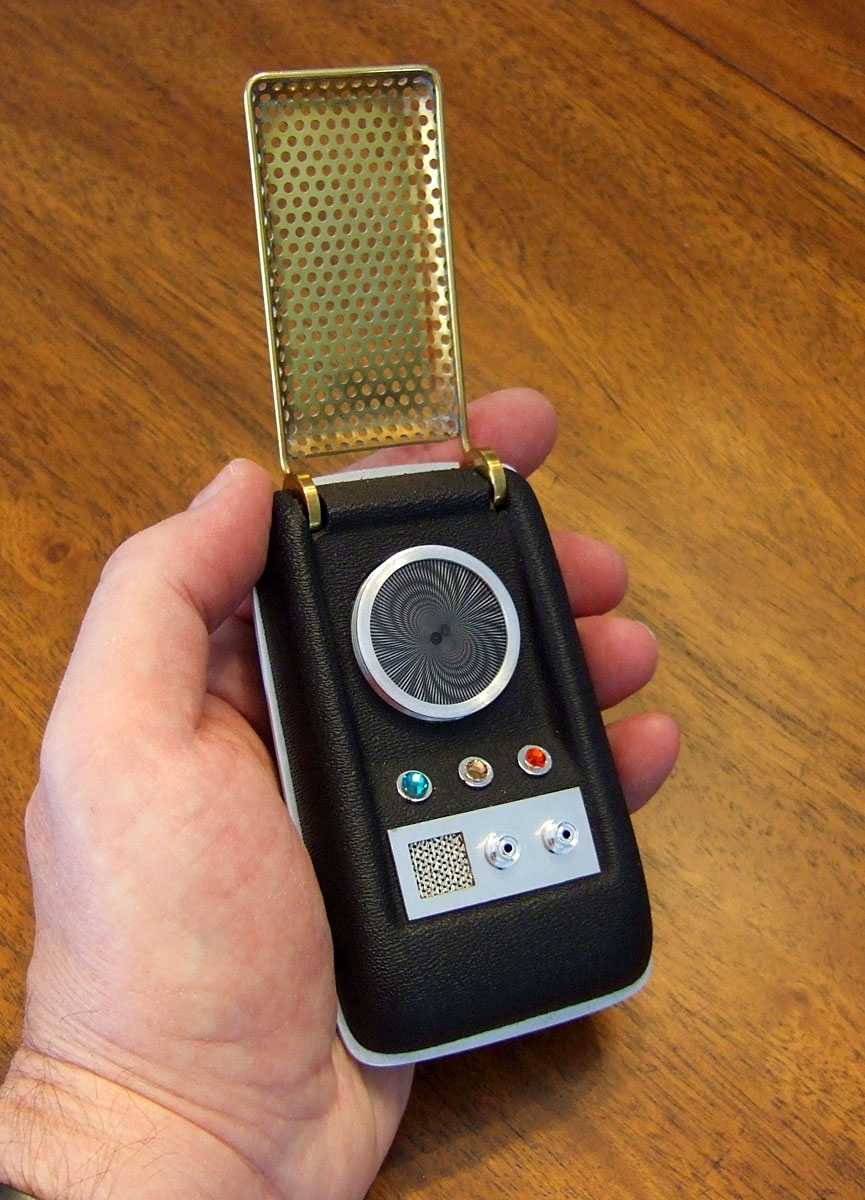
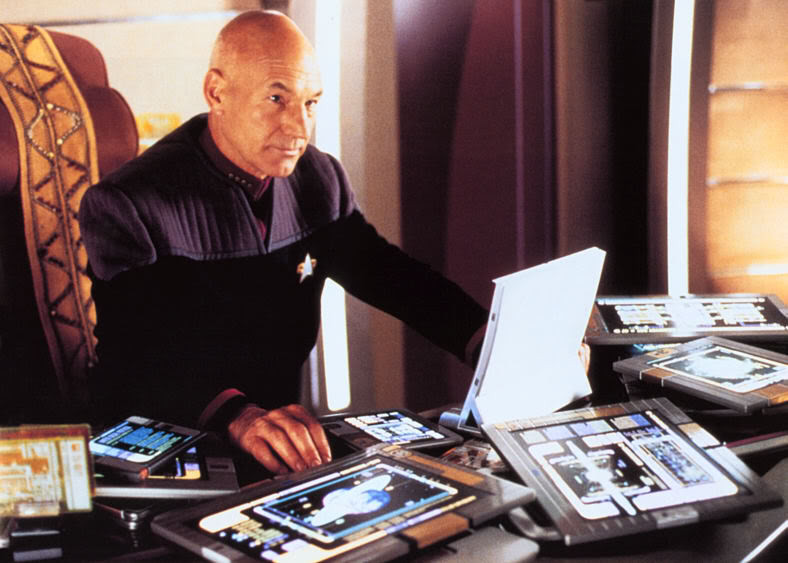
Technology is great, but human progress often seems very slow. Yet, compared to when Grampa Tindell was born in 1902, we are much better off, thanks in part to science, but also because we have actually made progress as people. Science gave us the polio vaccine and heart transplants and bountiful crops and instant communication, but as people we have decided we’ll no longer tolerate racial discrimination and lack of educational opportunity and so much more that my great-grandparents would’ve considered Utopian, if they’d even recognize the word.
We often lose sight of that, engaged as we are in our political squabbles and Packer playoff collapses and everyday things like making a living. We’re very close to the technological and social “golden age” that Gene Roddenberry envisioned with his epic scifi show. Although Kirk and Picard and their crews could get tough when they needed to be, they treated each other with respect and compassion. We’ve already got much of the 23rd century’s tech, but we need to work on its human values.
 A Strenuous Writer's Life